Furnace and AC Installation Cost
A furnace and central air conditioner combination provides heating and cooling through shared ductwork. Installing or replacing both systems can cost approximately $5,000 to $12,500 for many residential projects.
The furnace provides heat and contains the blower that circulates conditioned air. The central AC evaporator coil commonly connects to the furnace or air distribution equipment, while the outdoor condenser handles the outdoor portion of the cooling cycle. Replacing both systems together can reduce duplicated labor when both units already require replacement, though a serviceable furnace does not automatically require replacement when the AC fails. The contractor evaluates both systems before recommending a complete replacement.
Central AC Installation Cost
Central AC installation commonly costs approximately $3,800 to $7,900, with many projects landing near $6,000. The complete cost can include the outdoor condenser, indoor evaporator coil, refrigerant connections, thermostat controls, drainage, electrical connections, labor, and startup testing. New ductwork can increase the price substantially. Homeowners who only need cooling equipment can review our complete AC installation cost guide for a more detailed breakdown.
Heat Pump Installation Cost
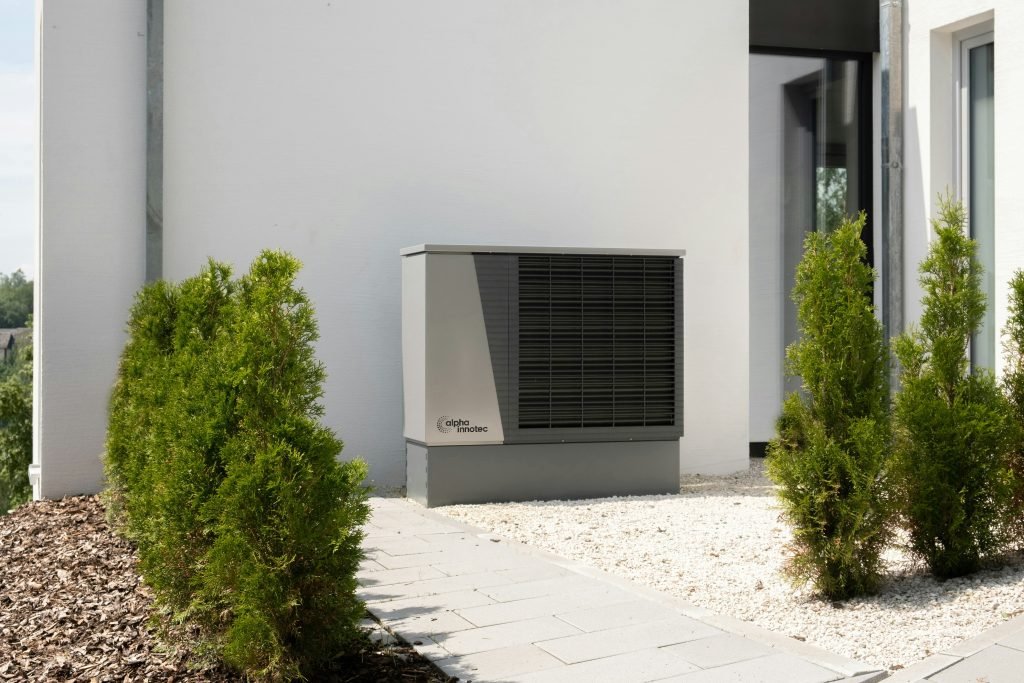
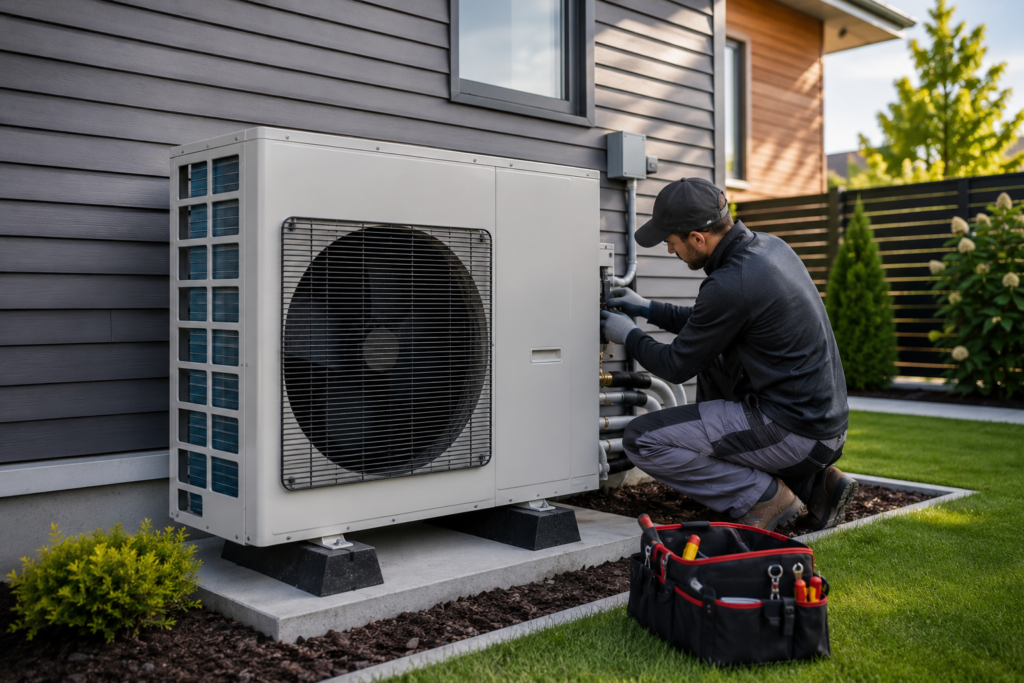
A residential heat pump installation commonly costs approximately $4,000 to $8,000, although equipment type and project requirements can move the total higher. Heat pumps provide both heating and cooling through a refrigerant based system.
Equipment capacity, efficiency, climate performance, electrical requirements, ductwork, controls, and installation configuration influence cost. Ductless and multi zone heat pump configurations can use different equipment and pricing structures. Homeowners considering this option can review our heat pump installation service before choosing between a heat pump and a furnace with central AC.
Ductless Mini Split Installation Cost
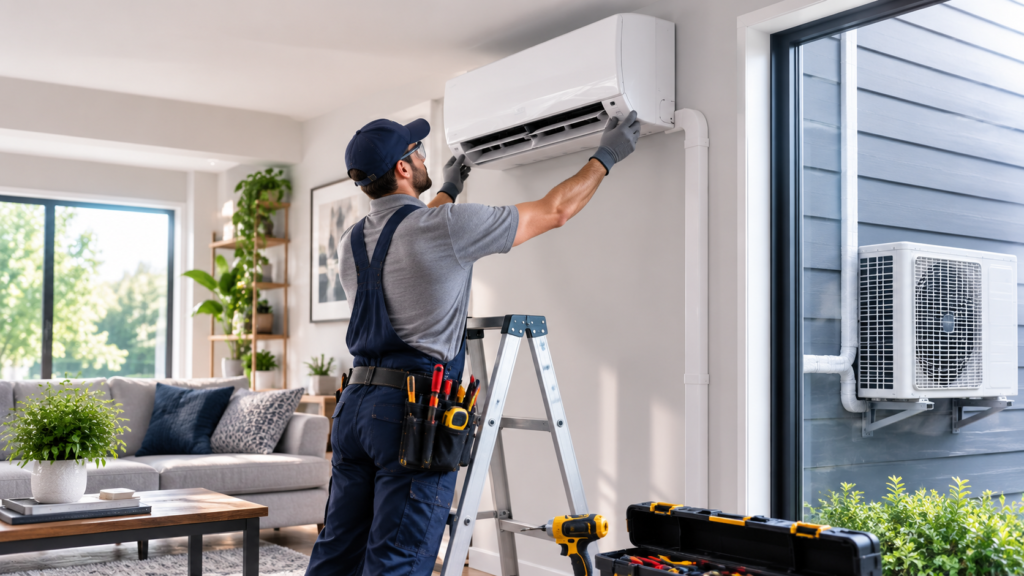
A ductless mini split project can cost approximately $3,000 to $10,000 or more, depending largely on the number of indoor zones. A single zone installation requires one indoor unit connected to outdoor equipment, while multi zone systems use several indoor units and additional refrigerant connections. Adding more indoor units increases equipment, materials, and labor.
Ductless systems can provide an alternative for homes without conventional ductwork, additions, converted spaces, and areas requiring independent temperature control.