Heating and Cooling
One system handles both functions year round.

Heat pump services provide efficient heating and cooling from one HVAC system. HVAC Reliable Pros connects homeowners with qualified HVAC professionals for heat pump installation, replacement, repair, and system upgrades across California, Florida, Ohio, and Washington.
A heat pump transfers heat instead of generating heat through combustion. During summer, the system removes heat from indoor air. During cooler months, the system reverses operation and transfers available outdoor heat into the home.
HVAC Reliable Pros helps homeowners compare heat pump systems based on home size, existing ductwork, local climate, electrical capacity, and heating demand. Correct equipment selection can improve comfort while reducing unnecessary energy consumption.
Heat pump installation includes equipment sizing, indoor and outdoor unit placement, refrigerant line installation, electrical connections, thermostat setup, drainage connections, and system testing. See our dedicated heat pump installation page for full details.
A professional load calculation determines the required heating and cooling capacity. Oversized equipment can cycle too frequently, while undersized equipment can struggle during temperature extremes.
Heat pump replacement removes an aging or damaged system and installs equipment matched to current household requirements. Replacement often becomes practical when repair costs increase or existing equipment can no longer maintain consistent temperatures. Visit our heat pump replacement page for more information.
Older systems may also use outdated components, lower efficiency equipment, or refrigerants that make repairs increasingly expensive. A replacement assessment compares repair cost, system age, operating condition, and expected future performance.
Heat pump problems can affect both heating and cooling because the same equipment handles both functions. Common problems include refrigerant leaks, electrical faults, compressor issues, frozen coils, thermostat failures, and airflow restrictions.
Professional diagnosis identifies the actual problem before parts get replaced. Accurate testing helps prevent repeated repairs and unnecessary component replacement.
Heat pump selection depends on property layout, existing HVAC infrastructure, climate, and available installation space. Different heat pump configurations suit different types of homes.
Air source heat pumps exchange heat between indoor air and outdoor air. Air source systems remain one of the most common choices for residential heating and cooling. Modern air source equipment can operate in a wide range of outdoor temperatures. System capacity, climate performance, and backup heating requirements should match regional winter conditions.
Ducted heat pumps distribute conditioned air through existing supply and return ducts. Homes with functional ductwork can often replace traditional central heating and cooling equipment with a ducted heat pump. Duct inspection remains important before installation. Leaks, undersized ducts, poor insulation, or restricted airflow can reduce system performance even when the heat pump itself operates correctly.
Ductless heat pumps use one outdoor unit with one or more indoor air handlers. Ductless systems work well for additions, converted spaces, older homes without ducts, and properties requiring independent temperature zones. Each indoor unit controls a defined area. Multiple zones allow separate temperature settings without conditioning every room to the same level. Learn more about our ductless heat pump systems or ductless mini split installation.
Dual fuel systems combine an electric heat pump with a gas furnace. The heat pump handles heating during milder conditions, while the furnace can provide heat when outdoor temperatures fall below the selected operating point. Dual fuel systems can suit homes in colder climates where winter heating demand exceeds the preferred operating range of a standard heat pump.
Heat pump installation commonly costs about $3,750 to $6,200, with many residential projects averaging close to $4,900. Larger homes, premium equipment, duct modifications, electrical upgrades, and complicated installation conditions can increase total cost.
Some projects can cost considerably more when installation requires new ductwork, multiple indoor zones, panel upgrades, structural work, or high capacity equipment. A site inspection provides a more accurate estimate than equipment price alone.
Equipment selection should focus on correct capacity and operating performance rather than the lowest purchase price. Proper sizing can prevent comfort problems and excessive cycling.
Heat pump capacity usually gets measured in tons or BTUs. One ton of cooling capacity equals approximately 12,000 BTUs per hour. A 2 ton system provides about 24,000 BTUs, while a 3 ton system provides about 36,000 BTUs. Square footage alone cannot determine the correct size because insulation, windows, ceiling height, climate, air leakage, and building orientation also affect heating and cooling demand.
Professional HVAC contractors use load calculations to estimate the actual requirement. Accurate sizing supports temperature control, humidity management, equipment life, and energy performance.
A straightforward heat pump replacement can often take one day. Projects involving duct modifications, electrical upgrades, multiple ductless zones, or equipment relocation may require two to three days. New construction and extensive retrofit projects can take longer. Permit scheduling, inspection requirements, equipment access, and property conditions can also affect the installation timeline.
Heat pumps commonly provide around 10 to 15 years of service when equipment receives regular maintenance and operates under normal conditions. Usage level, climate, installation quality, and maintenance history can shorten or extend system life. Replacement may become worth considering when several problems appear together:
A single repair does not automatically justify replacement. An HVAC technician can compare repair cost against equipment age and expected remaining service life.
Repair usually makes sense when the system remains relatively young and the failed component costs substantially less than replacement. Minor electrical components, thermostats, capacitors, sensors, and some fan problems can often receive cost effective repairs.
Replacement becomes more practical when major components fail on older equipment. Compressor problems, repeated refrigerant leaks, extensive coil damage, and recurring repairs can make continued service increasingly expensive. A contractor should provide both repair and replacement information when both options remain practical. Homeowners can then compare immediate cost with expected future expenses.
A central heat pump can use existing ductwork when ducts provide adequate capacity and remain in good condition. Damaged, leaking, or undersized ducts should receive repairs before the new system begins operation.
Duct problems can cause weak airflow, temperature differences between rooms, longer operating cycles, and wasted conditioned air. Duct inspection helps protect the performance of new HVAC equipment. Homes without ductwork can use ductless mini split heat pumps instead. Ductless systems eliminate the need for extensive duct installation.
Heat pump performance depends partly on outdoor temperature. Equipment selection should reflect local climate rather than relying on one system specification for every state.
Many California climates support heat pump operation for both heating and cooling. Coastal areas generally experience moderate winter temperatures, while inland and mountain areas require closer attention to low temperature heating capacity.
Florida heat pump systems primarily handle cooling and humidity control while also providing heating during cooler periods. Proper sizing remains important because oversized equipment can reduce effective moisture removal.
Ohio winters require equipment capable of maintaining heating performance during colder conditions. Some properties may benefit from cold climate heat pumps, electric backup heat, or dual fuel configurations.
Washington conditions vary considerably between coastal and inland areas. Heat pump selection should account for winter temperatures, moisture conditions, and property specific heating requirements.
Regular maintenance helps maintain airflow, refrigerant performance, heat transfer, electrical reliability, and drainage. Heat pumps operate during both heating and cooling seasons, which can create more annual operating hours than equipment used for only one season.
Professional maintenance typically includes coil inspection, electrical testing, refrigerant checks, filter inspection, thermostat testing, drain inspection, and airflow measurement. Homeowners should also replace or clean filters according to equipment requirements. Outdoor units need adequate clearance from vegetation, leaves, and debris.
HVAC Reliable Pros connects property owners with HVAC professionals serving California, Florida, Ohio, and Washington. Contractors can evaluate existing equipment, calculate system requirements, and provide installation or replacement estimates based on property conditions.
Heat pump projects can include central systems, ducted installations, ductless configurations, replacements, and related electrical or airflow improvements. Related services: HVAC installation, HVAC replacement, and HVAC repair.
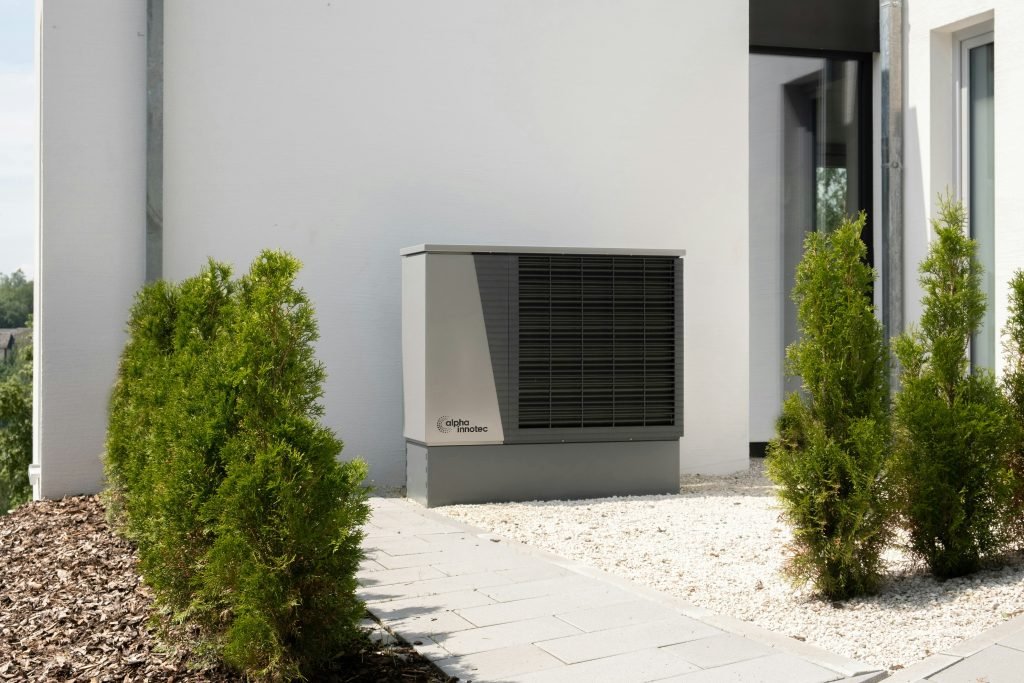
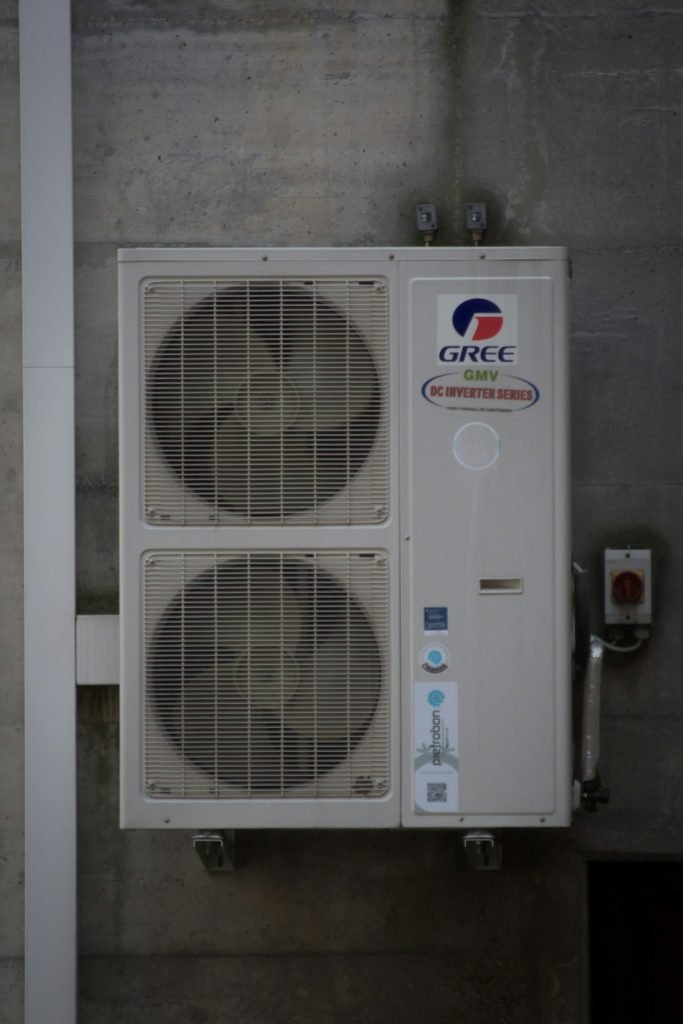
A typical heat pump installation follows several stages. Requirements vary depending on whether the project involves a new system, direct replacement, duct conversion, or ductless configuration.
The contractor evaluates home size, insulation, windows, existing HVAC equipment, duct condition, electrical capacity, and available equipment locations.
The contractor selects capacity and equipment based on the calculated heating and cooling load, local climate, sound level, and electrical requirements.
Replacement projects require removal of the old outdoor unit, indoor coil, air handler, or other equipment, plus inspection of refrigerant lines, wiring, and drains.
The team positions outdoor and indoor equipment, connects refrigerant lines, completes electrical connections, installs drainage, and integrates the thermostat or controls.
Final testing verifies refrigerant operation, airflow, electrical performance, drainage, thermostat controls, heating operation, and cooling operation.
Heat pumps provide heating and cooling through one integrated system. The design can reduce dependence on separate heating and cooling equipment. Actual savings depend on climate, equipment efficiency, electricity rates, insulation, duct condition, thermostat settings, and the equipment being replaced.
One system handles both functions year round.
No onsite fuel combustion with standard electric systems.
Works with existing supply and return ductwork.
Available for homes and additions without ductwork.
Zoned temperature control options for independent areas.
Efficient operation during moderate weather conditions.
Heat pump installation commonly costs around $3,750 to $6,200, with many projects averaging close to $4,900. Equipment capacity, efficiency, ductwork, electrical work, and installation conditions affect the final price.
Many residential heat pumps last around 10 to 15 years. Maintenance frequency, installation quality, climate, and annual operating hours affect equipment lifespan.
A heat pump can provide both heating and cooling. Homes in colder climates may also use electric backup heat or a dual fuel system for additional heating capacity.
Yes. A central heat pump can often connect to existing ducts when duct size, airflow, insulation, and condition meet system requirements.
Modern heat pumps can continue operating during cold weather. Equipment selection should match local winter temperatures because low temperature capacity varies by model and system type.
A straightforward replacement can often take one day. Installations involving duct changes, electrical upgrades, multiple zones, or equipment relocation may require two to three days.
Many ductless mini split systems use heat pump technology to provide both heating and cooling. Ductless systems work without central ductwork and can serve one or multiple indoor zones.
Repair often makes sense for younger systems with isolated problems. Replacement may provide better value when equipment approaches 15 years old, requires repeated repairs, or develops expensive compressor or coil problems.
Real feedback from homeowners who trust us with their comfort.


The team was professional from the first estimate through the final walkthrough, and our new system has kept the house comfortable ever since.

Our furnace went out in the middle of winter and they responded quickly with a clear plan and honest pricing.
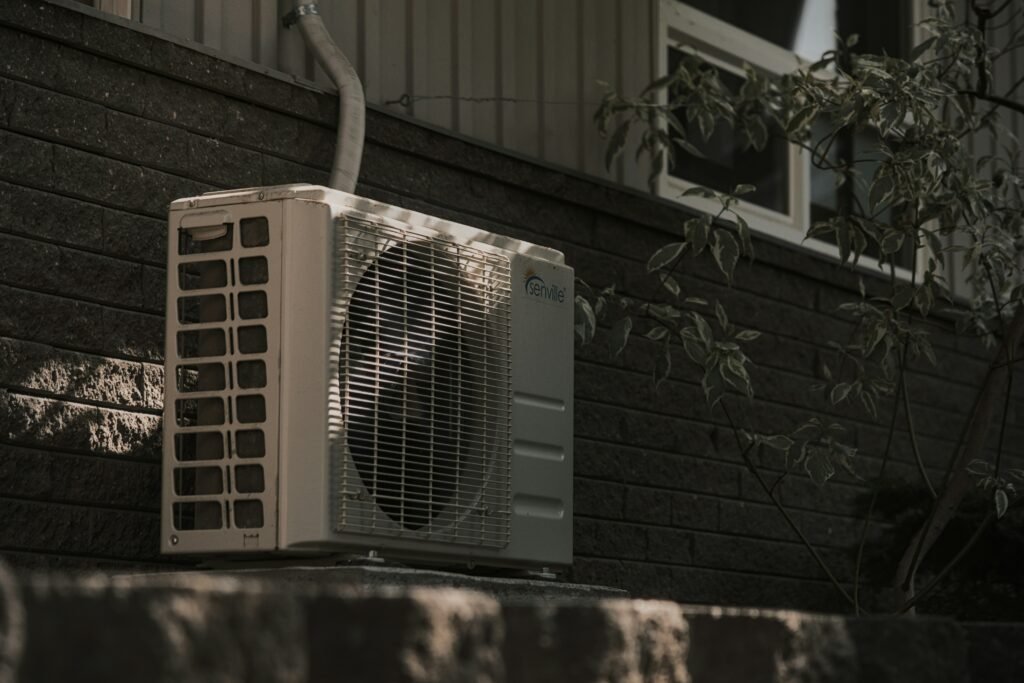

Reliable, communicative, and thorough- exactly what we needed for our commercial HVAC installation.
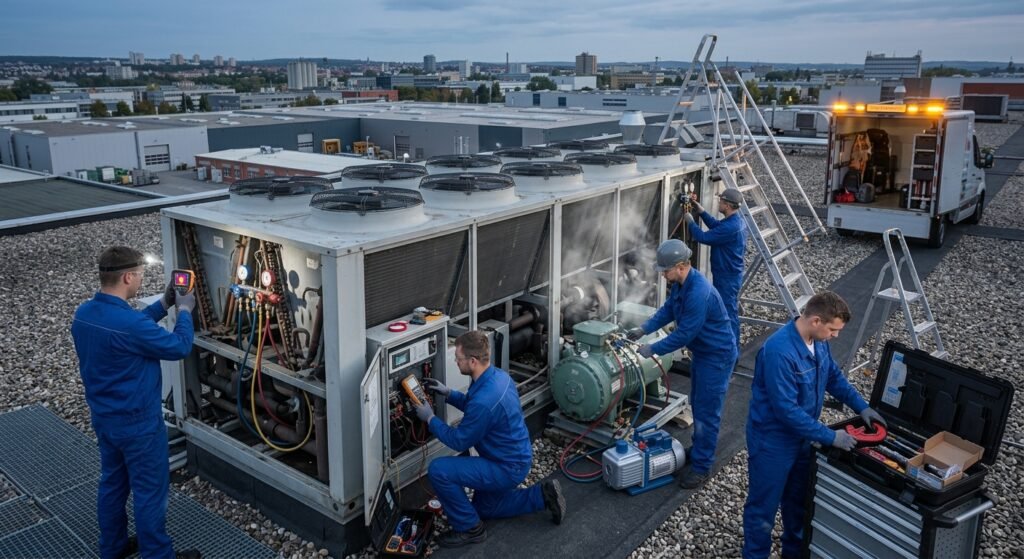 Licensed Commercial Techs
Looking for commercial HVAC installers near you? Get system sizing, equipment selection, ductwork planning, controls, electrical coordination, and…
Learn More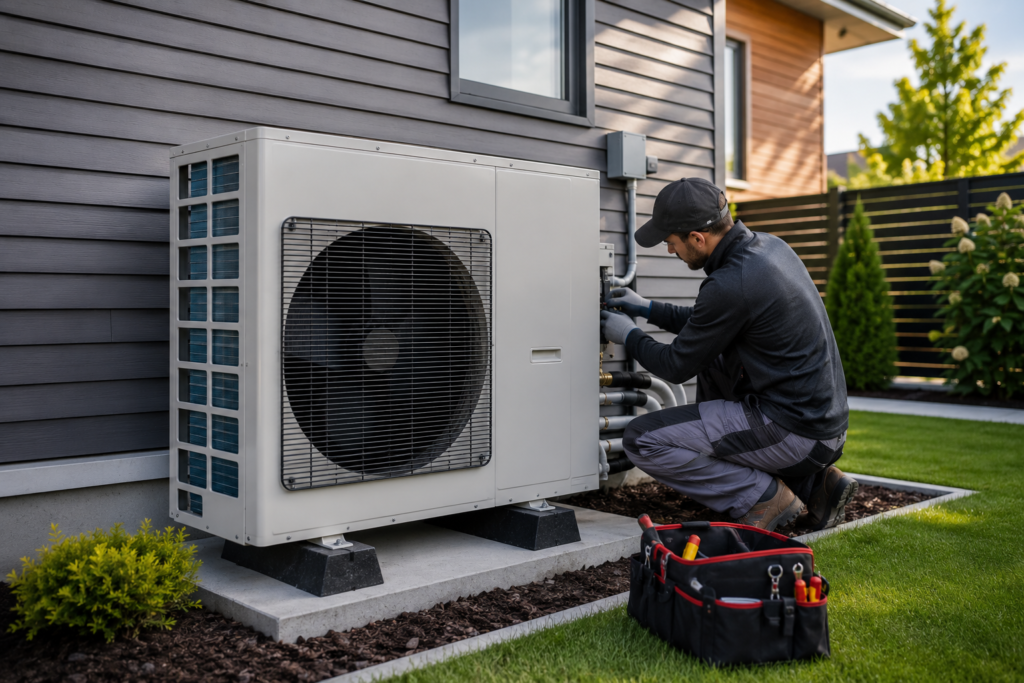 No Ductwork Required
Explore ductless heat pump systems for heating and cooling without traditional ductwork. Learn about installation, sizing, zones, costs,…
Learn More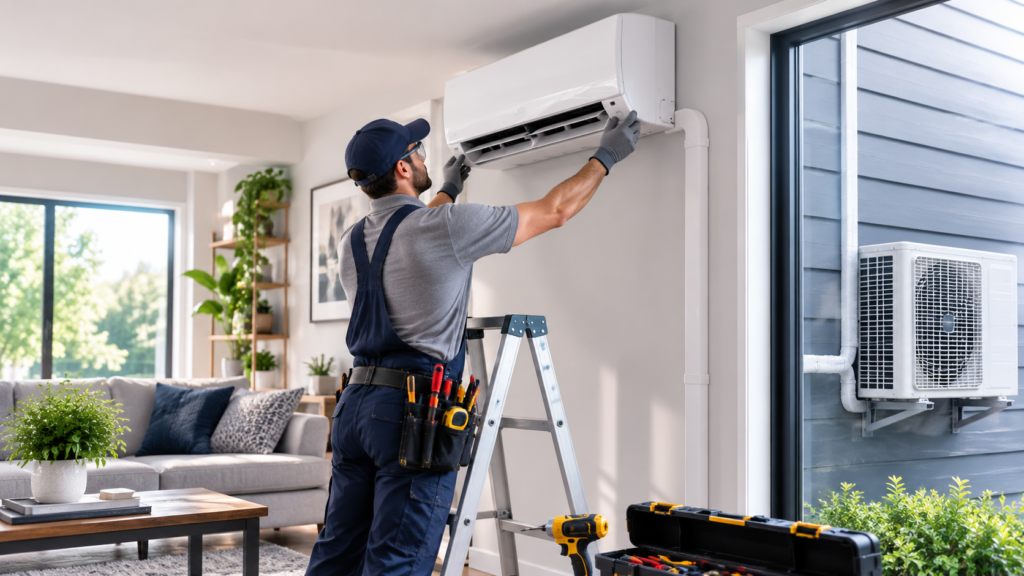 Single & Multi-Zone
Looking for mini split installers near you? Get professional ductless system sizing, placement, installation, electrical setup, and testing.…
Learn More