Heating and Cooling Load Calculations
Equipment sized from insulation, windows, air leakage, occupancy, and local climate, not square footage alone.

High heating and cooling costs, aging HVAC equipment, or the need for one system that handles both heating and cooling can lead homeowners to consider a heat pump. HVAC Reliable Pros evaluates heating and cooling loads, existing ductwork, electrical infrastructure, equipment locations, controls, and climate requirements before selecting and installing equipment.
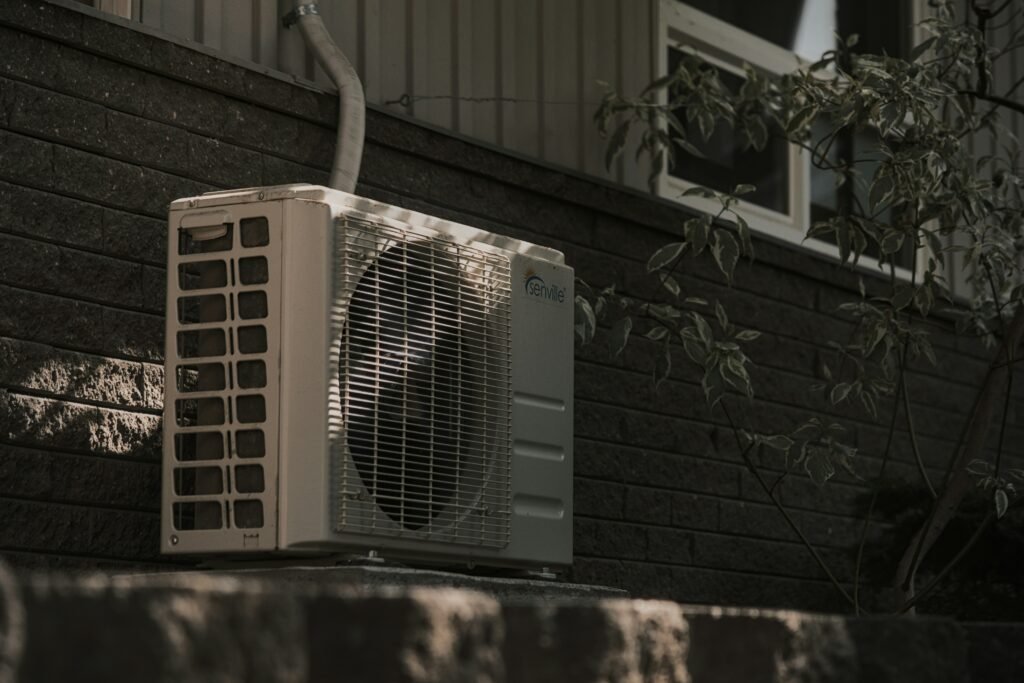
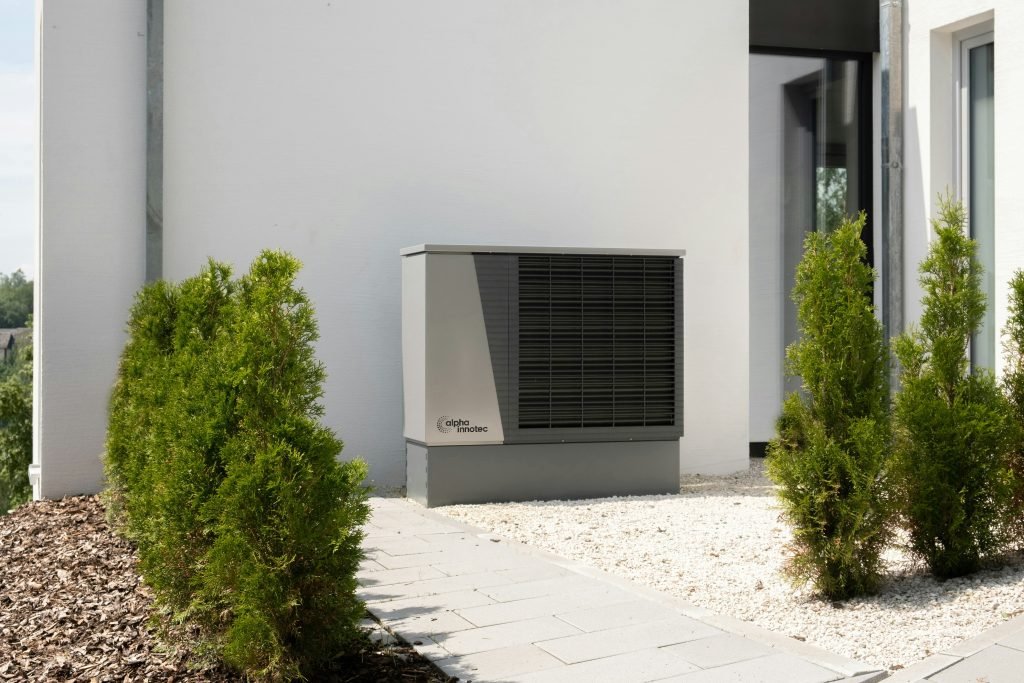
A heat pump transfers heat rather than creating cooling and heating through two separate HVAC systems. During cooling operation, the refrigerant circuit transfers heat from inside the home to the outdoor environment. During heating operation, the heat pump reverses the refrigerant cycle and transfers available outdoor heat into the home.
A residential heat pump installation can include an outdoor heat pump unit, an indoor air handler or compatible indoor equipment, refrigerant tubing, thermostat and controls, condensate drainage, electrical connections, and supply and return ductwork for ducted systems. Ductless configurations use individual indoor units instead of a conventional whole home duct network.
A heat pump can fit homeowners who want one system for both heating and cooling. Common project situations include replacing aging heating and cooling equipment, adding heating and cooling to a new home, replacing an older central AC system, moving away from separate heating and cooling equipment, adding comfort to a home without existing ducts, heating and cooling an addition or converted space, and creating separate temperature zones with ductless equipment.
The contractor compares the home’s heating load, cooling load, climate, electrical infrastructure, and existing HVAC system before recommending equipment.
Heat pumps come in several configurations, and property conditions determine which configuration fits the project.
Ducted heat pump: a ducted heat pump connects to an air handler and distributes conditioned air through supply and return ducts. Ducted equipment can fit homes with suitable existing ductwork.
Ductless heat pump: a ductless heat pump connects outdoor equipment to one or more indoor units, avoiding a conventional whole home duct network and supporting individual temperature zones. Homeowners can review our ductless mini split options for more information about this configuration.
Cold climate heat pump: cold climate heat pumps use equipment designed to maintain heating capacity at lower outdoor temperatures than conventional designs. The contractor reviews manufacturer performance data at the project’s winter design conditions before selecting equipment, since the heat pump name alone does not confirm heating capacity at every outdoor temperature.
Correct heat pump sizing requires both heating and cooling calculations. A contractor evaluates the home’s heating load and cooling load rather than selecting capacity from floor area alone. Building characteristics that affect load include floor area, insulation, windows, air leakage, ceiling height, orientation, occupancy, and local climate.
Heat pump capacity commonly appears in BTUs per hour or tons. One ton of nominal capacity equals approximately 12,000 BTUs per hour. A nominal 2 ton system represents approximately 24,000 BTUs per hour, a nominal 3 ton system represents approximately 36,000 BTUs per hour, and a nominal 4 ton system represents approximately 48,000 BTUs per hour. The contractor matches equipment performance to calculated building loads.
Oversized equipment does not automatically provide better comfort. An oversized heat pump can create shorter operating cycles under lower load conditions, while an undersized system can struggle when heating or cooling demand exceeds available capacity.
Heating performance also changes with outdoor temperature, since a heat pump can provide different heating capacity at different outdoor conditions. For that reason, contractors compare manufacturer performance data against local heating requirements rather than relying only on nominal tonnage. Correct sizing connects the selected equipment to both the property and local climate.
A ducted heat pump can use existing ducts when the air distribution system supports required airflow. The contractor inspects accessible supply ducts, return pathways, connections, and physical condition. Restricted returns can limit airflow, and damaged duct connections can lose conditioned air before the air reaches occupied rooms.
A complete duct replacement does not automatically form part of heat pump installation. Serviceable ducts can remain while the contractor corrects specific documented problems, though the selected heat pump and air handler still require suitable airflow through the existing duct system.
Homes without ducts can use ductless heat pump equipment. A ductless system uses an outdoor unit connected to one or more indoor units through refrigerant tubing and control connections. Single zone systems can serve one room or defined area, while multi zone configurations can connect several indoor units to compatible outdoor equipment.
Ductless installation can fit additions, converted garages, older homes without conventional ducts, and properties that need independent comfort zones.
Heat pumps rely on electricity for compressor operation, fans, controls, and related components. The contractor evaluates electrical service, circuits, breakers, disconnects, wiring, and equipment requirements before installation. Changing from another heating system to a heat pump can create new electrical requirements, and auxiliary electric heating equipment can also affect required electrical capacity when the selected configuration includes supplemental resistance heat.
Existing infrastructure can remain when electrical capacity and components support the selected equipment. Required upgrades form part of the installation plan before work begins.
Heat pumps provide both heating and cooling, so equipment carries efficiency measurements for both operating modes. SEER2 measures seasonal cooling efficiency under standardized testing conditions, while HSPF2 measures seasonal heating efficiency under standardized testing conditions. Higher values represent greater efficiency under the applicable test procedure.
Efficiency does not replace capacity analysis. A high efficiency heat pump still needs sufficient heating and cooling capacity for the property, so the contractor compares efficiency, capacity, climate performance, equipment cost, and expected operation before recommending a system.
Outdoor temperature affects air source heat pump heating capacity and efficiency. Modern equipment can operate at low outdoor temperatures, but performance varies by model. A contractor planning a heat pump for a colder climate compares equipment heating capacity at relevant winter temperatures.
Some homes can use supplemental heat during conditions where the heat pump cannot meet the complete heating load alone, coming from electric resistance equipment or another compatible heating source depending on system design. Equipment selection uses actual performance data rather than a general assumption that every heat pump performs identically in cold weather.
A central air conditioner provides cooling but does not reverse the refrigerant cycle to provide space heating. A heat pump provides both cooling and heating. Homes with a serviceable furnace can combine central AC with the existing heating system, while other homeowners can select a heat pump when replacing heating and cooling equipment.
The right option depends on climate, heating requirements, existing HVAC infrastructure, electrical capacity, equipment cost, and homeowner goals. The contractor compares complete system configurations rather than cooling performance alone.
Residential heat pump installation commonly costs around $4,000 to $8,000, while larger or more involved projects can exceed $10,000. The final amount depends on equipment capacity, efficiency, ductwork, electrical requirements, controls, installation configuration, and labor.
Ductless multi zone systems can cost more as the number of indoor units increases, and projects that require electrical upgrades or substantial ductwork can also move beyond the typical range. A property specific estimate provides a more useful figure than equipment price alone.
Consider a 2,000 square foot home in Washington with an aging furnace and central air conditioner. The homeowner wants one system that provides both heating and cooling.
The contractor calculates the home’s heating and cooling loads and evaluates the existing duct system. Inspection finds serviceable main ducts but identifies restricted return airflow near two bedrooms. The selected heat pump provides approximately 36,000 BTUs per hour of nominal capacity, equal to a nominal 3 ton system, and the contractor verifies equipment performance against local heating requirements before final selection.
The project corrects the identified return airflow problem, installs compatible indoor and outdoor heat pump equipment, completes refrigerant and electrical connections, configures the thermostat, and verifies heating and cooling operation during startup. The installation uses suitable existing infrastructure while correcting documented airflow problems.
New installation and replacement can involve different project scopes. A first time heat pump installation can require changes to existing heating equipment, electrical infrastructure, controls, or ductwork. Heat pump replacement starts with an existing heat pump configuration, and the contractor evaluates which existing components remain compatible and serviceable before defining the replacement scope. Homeowners replacing a failing central air conditioner instead can review our central air replacement service for equipment comparison.
HVAC Reliable Pros provides heat pump installation across available service areas in California, Florida, Ohio, and Washington. Homeowners can request ducted or ductless heat pump installation for heating and cooling upgrades, new HVAC projects, and replacement of existing equipment. Service availability can vary by city, county, and ZIP code within each state. Call (866) 280 1324 to confirm heat pump installation availability in your area and request a free estimate.
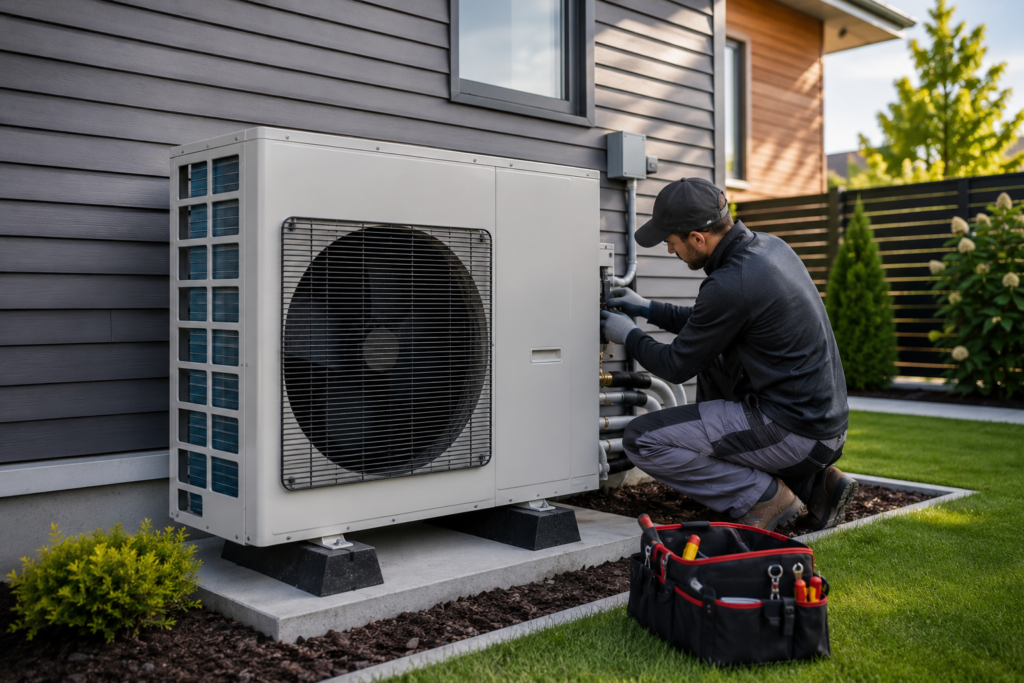
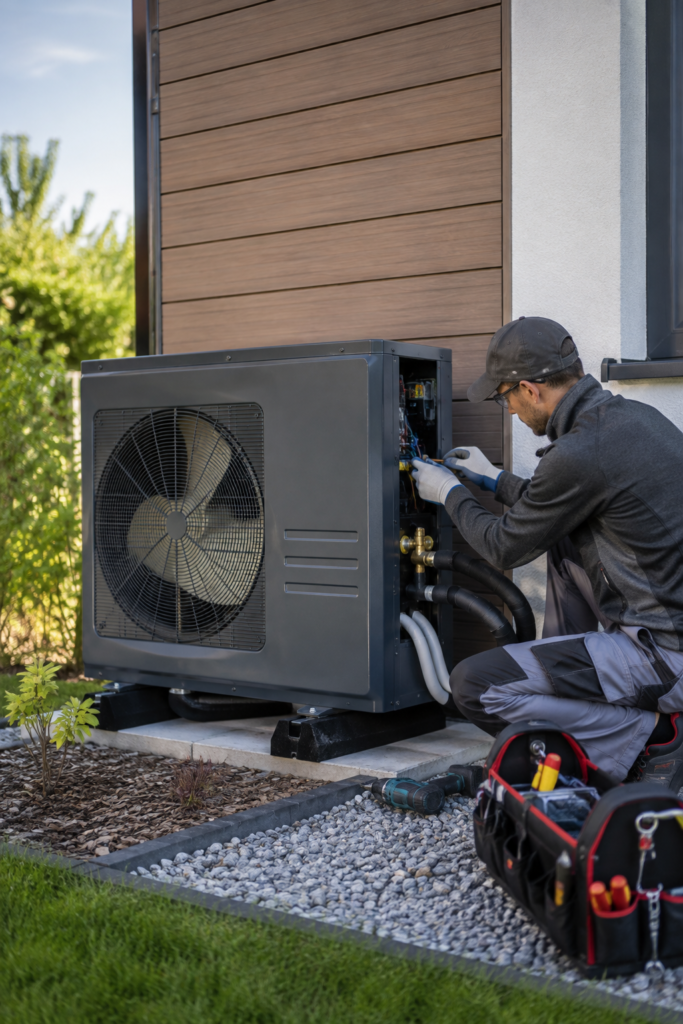
A professional heat pump installation follows several stages from assessment through startup testing.
The contractor evaluates heating and cooling requirements, existing HVAC equipment, ductwork, electrical infrastructure, and equipment locations.
The contractor calculates heating and cooling loads for the property.
The contractor selects heat pump capacity and configuration based on calculated loads and climate requirements.
The installation team prepares indoor and outdoor equipment locations, refrigerant routes, electrical connections, drainage, and controls.
The crew installs the outdoor heat pump, indoor equipment, refrigerant tubing, controls, electrical connections, drainage, and required air distribution components.
The technician checks heating operation, cooling operation, airflow, controls, drainage, and applicable operating conditions.
A heat pump only performs as well as its sizing and installation. HVAC Reliable Pros calculates heating and cooling loads together, verifies cold weather performance against manufacturer data, and checks electrical capacity before recommending equipment.
Equipment sized from insulation, windows, air leakage, occupancy, and local climate, not square footage alone.
Manufacturer heating capacity data compared against local winter design temperatures before selection.
Equipment matched to existing ductwork, or a ductless setup for homes without ducts.
Heating operation, cooling operation, airflow, and controls checked before the job is considered complete.
Residential heat pump installation commonly costs around $4,000 to $8,000. Equipment capacity, efficiency, electrical work, ductwork, controls, and installation configuration can push larger projects above $10,000.
Yes, a properly selected heat pump can provide both heating and cooling. The contractor compares heating capacity, cooling capacity, climate requirements, electrical infrastructure, and existing HVAC equipment before removing other heating equipment.
Yes. Existing ducts can remain when the air distribution system supports required airflow and remains serviceable. The contractor inspects supply and return ducts before installation.
Yes. Ductless heat pumps use individual indoor units connected to outdoor equipment without a conventional whole home duct network.
Yes. Modern heat pumps can operate in cold weather, but heating capacity and efficiency vary by model and outdoor temperature. The contractor compares equipment performance data with local winter conditions.
Heating and cooling load calculations should determine capacity. Floor area, insulation, windows, air leakage, climate, orientation, and other building characteristics affect required equipment size.
Real feedback from homeowners who trust us with their comfort.


The team was professional from the first estimate through the final walkthrough, and our new system has kept the house comfortable ever since.

Our furnace went out in the middle of winter and they responded quickly with a clear plan and honest pricing.

Reliable, communicative, and thorough- exactly what we needed for our commercial HVAC installation.
Heat pump services provide efficient heating and cooling from one HVAC system. HVAC Reliable Pros connects homeowners with…
Learn More Licensed Commercial Techs
Looking for commercial HVAC installers near you? Get system sizing, equipment selection, ductwork planning, controls, electrical coordination, and…
Learn More
No Ductwork Required
Explore ductless heat pump systems for heating and cooling without traditional ductwork. Learn about installation, sizing, zones, costs,…
Learn More