Diagnosis Before Repair
Technicians test the system to isolate the actual failed component rather than guessing at a fix.

When your HVAC system stops heating or cooling properly, HVAC Reliable Pros diagnoses the cause first and explains what it will take to restore normal operation- from an AC that won't cool to a furnace that won't turn on.
A system that blows warm air, produces unusual sounds, struggles to maintain temperature, or refuses to start can have several possible causes. HVAC Reliable Pros provides professional HVAC repair for heating and cooling systems- technicians diagnose the problem before recommending a repair, whether that means an AC that is not cooling or a furnace that will not turn on.
HVAC repair begins with a diagnostic inspection to evaluate the equipment, test relevant components, identify the problem, and recommend the appropriate repair. Depending on the failure, repairs may involve thermostat, electrical, airflow, refrigerant, condensate, coil, ductwork, or control-system issues, including capacitors, contactors, blower motors, fan motors, igniters, flame sensors, and control boards.
A failed capacitor prevents the compressor from starting, which stops the outdoor condenser from removing heat from the home, while a clogged filter can restrict airflow enough to affect comfort even though the equipment keeps running. Because the same symptom can have multiple causes, HVAC Reliable Pros technicians diagnose the underlying problem before recommending component replacement.
HVAC systems can develop electrical, mechanical, airflow, refrigerant, control, and combustion-related problems, and the symptoms often help narrow down the possible cause. A failed contactor can interrupt power to an outdoor condenser, preventing the cooling cycle from operating normally, while a restricted filter or duct can reduce airflow and affect comfort even when the equipment continues to run.
AC not cooling: an air conditioner that runs without adequately cooling the home can have a refrigerant problem, restricted coil, failed capacitor, faulty contactor, compressor issue, thermostat fault, or airflow restriction. A technician tests the system to isolate which component caused the failure before recommending a repair.
Furnace not turning on: a furnace that does not start may have an ignition, thermostat, airflow, electrical, or safety-control problem. A dirty flame sensor interrupts the ignition sequence within 3 to 5 seconds of furnace startup, causing the system to shut down before producing heat- a technician identifies where the startup sequence stops before selecting the appropriate repair.
HVAC system making strange noises: grinding, rattling, buzzing, screeching, clicking, humming, banging, or hissing can indicate different mechanical or electrical issues. A technician locates the sound and inspects the related component to determine the cause.
Weak airflow: weak airflow can result from restricted filters, blocked returns, duct restrictions, dirty coils, or blower motor problems. If replacing the filter does not restore airflow, further system diagnosis is recommended.
HVAC system short cycling: short cycling can result from thermostat problems, restricted airflow, incorrect sizing, refrigerant issues, electrical faults, or safety-control activation. A technician identifies the underlying cause rather than simply treating the repeated cycling.
Uneven heating or cooling: hot and cold rooms can result from ductwork, airflow, insulation, thermostat location, equipment capacity, zoning, or building conditions. An inspection can determine whether the equipment or air-distribution system needs attention.
HVAC water leaks: water around indoor HVAC equipment can result from clogged condensate drains, drain-pan problems, frozen coils, pump failure, or airflow restrictions. A clogged condensate drain backs up water into the drain pan, which can overflow onto surrounding surfaces within hours- prompt diagnosis can help prevent water damage around the equipment.
Some HVAC problems require faster attention than a routine appointment. Homeowners commonly seek emergency or same-day HVAC repair when the system fails outside normal service hours or when a heating or cooling failure creates an immediate comfort concern. HVAC Reliable Pros assesses urgent repair requests based on the service location, technician availability, timing, and nature of the problem- a complete heating failure during severe cold can create an urgent comfort issue, while a burning electrical odor or repeated breaker trips can indicate an electrical problem requiring prompt inspection.
When requesting urgent service, provide the type of system, whether it turns on, whether heating or cooling is needed, what changed before the failure, any unusual sounds or odors, error codes, water around the system, and whether a circuit breaker has tripped.
Contact an HVAC professional promptly if there is a suspected gas leak, burning or electrical odor, repeated circuit breaker trips, significant water leakage around equipment, or complete heating failure during severe cold. If you smell gas, leave the area immediately and follow your local gas utility’s emergency instructions.
A repair does not automatically mean a new HVAC system is needed. However, an aging system with repeated failures can make replacement a more practical long-term option. A single component failure on a relatively newer system may justify repair, while repeated failures on older equipment can make replacement worth evaluating- major components such as compressors can also change the repair-versus-replacement decision because of their cost and the system’s remaining service life.
System age: a relatively newer system with one isolated component failure often deserves a repair evaluation, while an older system with a major failure deserves a broader comparison between repair and replacement. Age alone should not determine the decision- equipment condition, reliability, efficiency, repair history, and expected remaining service life also matter.
Repair cost relative to replacement: a smaller repair on an otherwise reliable system can make financial sense, while a major repair on aging equipment may provide less long-term value.
Repair frequency: one repair does not necessarily indicate that a system is failing, but repeated repairs across different components tell a different story. Several service visits over a short period can indicate that continued repair costs should be compared with replacement.
Repair can be the practical choice when the system is relatively young, the problem is isolated, the repair is reasonable for the equipment’s condition, the system has a good repair history, and the equipment still meets the home’s comfort needs. Replacement becomes more worth evaluating when the system is older, major components continue to fail, repairs occur frequently, parts become difficult to obtain, the system no longer provides reliable comfort, or a major repair would provide limited remaining service life. If a repair evaluation leads to replacement, our HVAC installation and HVAC replacement services cover installing a new heating and cooling system.
HVAC repair costs vary because different failures require different diagnostic and repair work. Important factors include diagnostic complexity, labor time, replacement parts, equipment type and accessibility, electrical troubleshooting, refrigerant-related work, emergency service, warranty coverage, and additional problems discovered during diagnosis.
A basic electrical component replacement typically requires less labor than a difficult-to-access component, and refrigerant-related repairs may involve both leak diagnosis and additional service. The diagnostic visit determines what failed, while the repair addresses the identified problem- because every failure is different, HVAC Reliable Pros provides a property-specific quote after diagnosis rather than a standard rate.
HVAC Reliable Pros provides heating and cooling repair across California, Florida, Oregon, and Washington. Climate and equipment differ by region, with California and Florida placing heavier demands on cooling systems and Oregon and Washington relying more on heating equipment, heat pumps, and ductless systems. Cooling-related failures can be more significant in warmer climates, while heating and heat-pump performance become more important in colder regions- the technician diagnoses the actual equipment and property conditions rather than assuming every HVAC problem has the same cause.
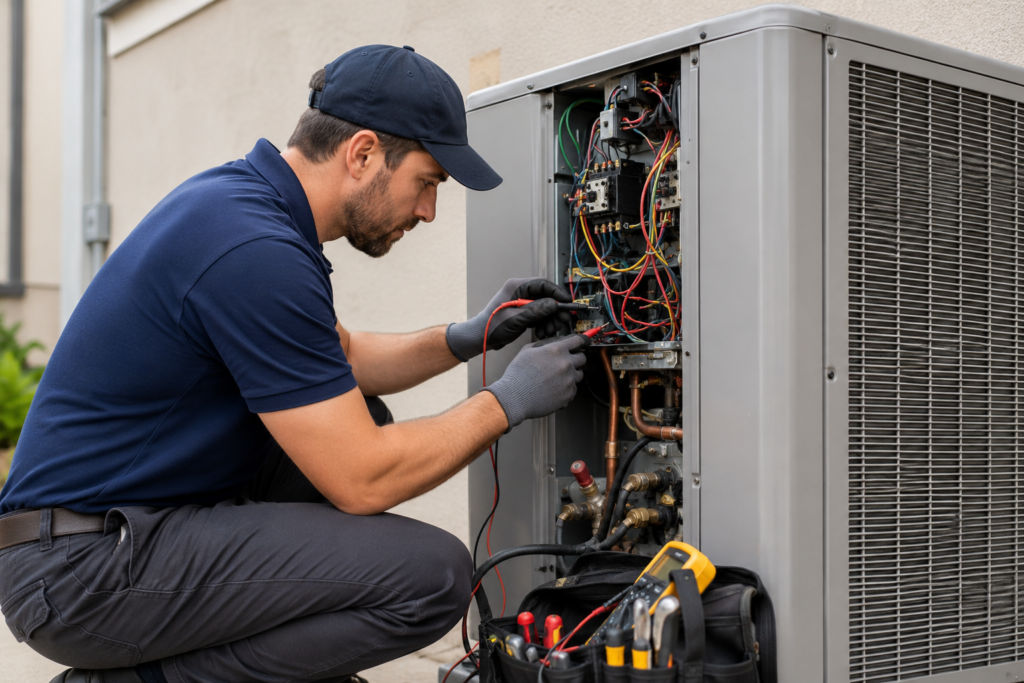
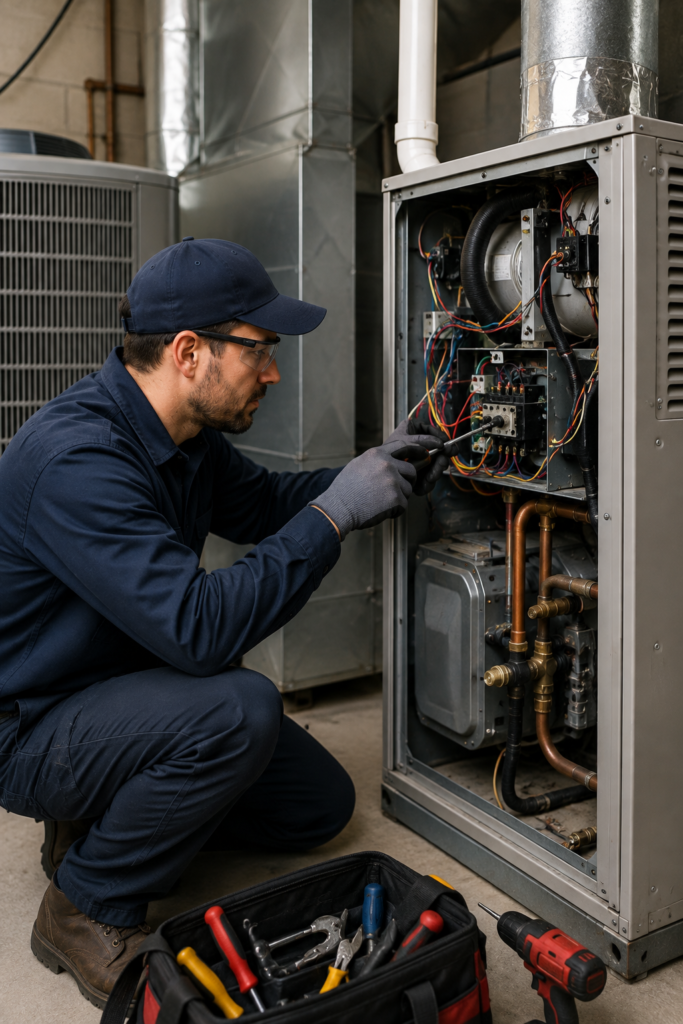
A diagnosis-first repair process that identifies the cause of the problem before recommending the necessary work.
Tell the technician what the system is doing and what changed- for example, whether the AC runs but blows warm air, the furnace starts and shuts down, or airflow suddenly becomes weak. Specific information helps narrow the diagnostic process.
The technician examines the equipment and focuses on components associated with the reported symptoms, which may include thermostat checks, electrical measurements, airflow evaluation, control testing, and equipment-specific diagnostics.
The technician identifies the failed component or condition responsible for the problem. An error code can provide useful information, but it does not always reveal the complete cause, so additional testing may be necessary.
HVAC Reliable Pros explains what caused the problem, which component requires attention, what repair the system needs, whether additional work is necessary, and whether repair remains practical for the system's condition.
The technician checks the availability of the required component and reviews applicable warranty information when relevant, since coverage depends on the equipment, manufacturer terms, and registration.
The technician repairs or replaces the failed component according to the equipment requirements, focusing on the diagnosed problem rather than unnecessary component replacement.
After completing the repair, the technician runs the HVAC system and checks its relevant operating functions to confirm the original symptom has been addressed and the system is operating normally.
A diagnostic-first approach can distinguish an electrical failure from an airflow restriction, refrigerant problem, control issue, or mechanical fault. Once the cause is identified, the recommended repair is evaluated based on the system’s condition, repair history, and expected service life.
Technicians test the system to isolate the actual failed component rather than guessing at a fix.
We explain what caused the problem, what repair the system needs, and whether repair remains practical.
Applicable equipment and manufacturer warranty coverage is confirmed rather than assumed.
Heating and cooling repair across California, Florida, Oregon, and Washington climates.
Capacitors, contactors, blower motors, igniters, flame sensors, and control boards repaired or replaced correctly.
An honest comparison based on system age, repair history, and remaining service life- not an automatic upsell.
Start with the system's age, repair requirements, and repair history. A newer system with one isolated failure often makes a reasonable repair candidate, while an older system with frequent failures and a major repair deserves a replacement comparison.
HVAC repair costs vary based on the specific component that failed, labor requirements, replacement parts, and equipment type and accessibility. Diagnostic complexity and emergency service can also affect the final price, so HVAC Reliable Pros provides a property-specific quote after diagnosis.
Emergency and same-day availability depends on the service location, technician availability, time, and nature of the problem. Urgent failures involving complete heating or cooling loss, electrical concerns, gas-related concerns, or significant water leaks may require faster attention.
A diagnostic visit focuses on finding the source of the HVAC problem. The technician reviews the symptoms, inspects the equipment, tests relevant components, identifies the likely cause, and explains the recommended repair.
Several problems can produce this symptom, including restricted airflow, refrigerant issues, electrical component failure, coil problems, thermostat faults, or compressor-related problems. A technician should test the system to determine the actual cause.
A furnace can shut down because of an ignition problem, flame-sensor issue, airflow restriction, safety control, thermostat problem, or another equipment fault. The technician can inspect the startup sequence and determine where the system stops operating.
Homeowners can handle basic tasks such as checking thermostat settings and replacing an air filter. Internal HVAC repairs can involve electricity, refrigerant, gas, combustion, and moving mechanical components, so a qualified professional should handle those repairs.
Repair time depends on the problem, equipment type, component involved, accessibility, and parts availability. A straightforward component repair can take less time than a complex electrical, refrigerant, or intermittent fault.
Not automatically. HVAC Reliable Pros considers the system's age, condition, repair history, reliability, and expected remaining service life. A repair may remain practical for a system with an isolated failure, while repeated failures or a major repair can make replacement worth evaluating.
Real feedback from homeowners who trust us with their comfort.


The team was professional from the first estimate through the final walkthrough, and our new system has kept the house comfortable ever since.

Our furnace went out in the middle of winter and they responded quickly with a clear plan and honest pricing.

Reliable, communicative, and thorough- exactly what we needed for our commercial HVAC installation.
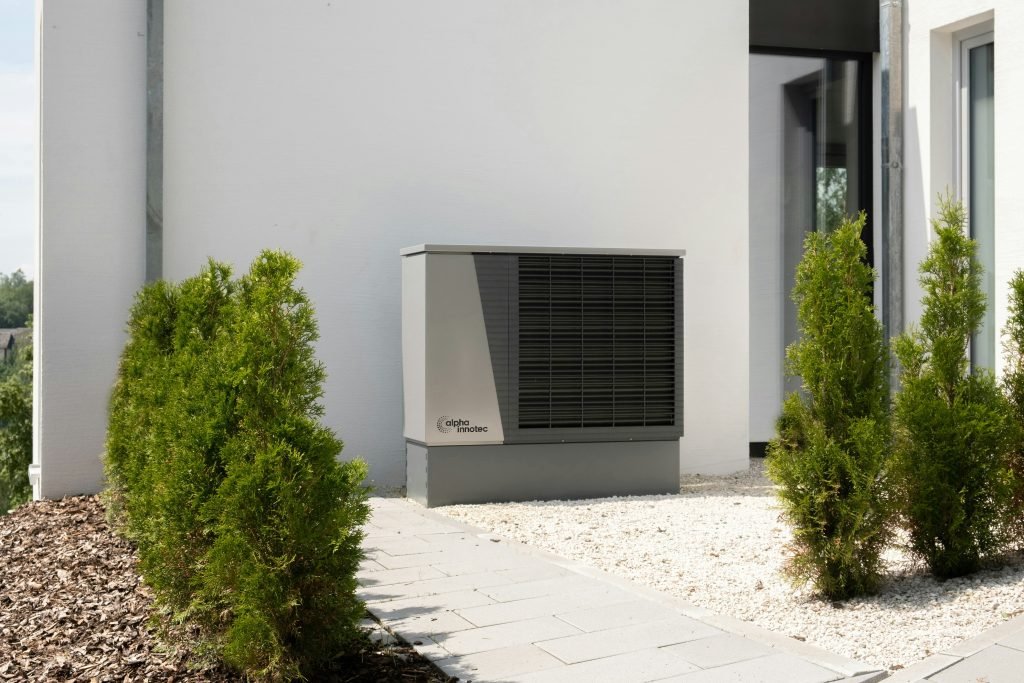
Heat pump services provide efficient heating and cooling from one HVAC system. HVAC Reliable Pros connects homeowners with…
Learn More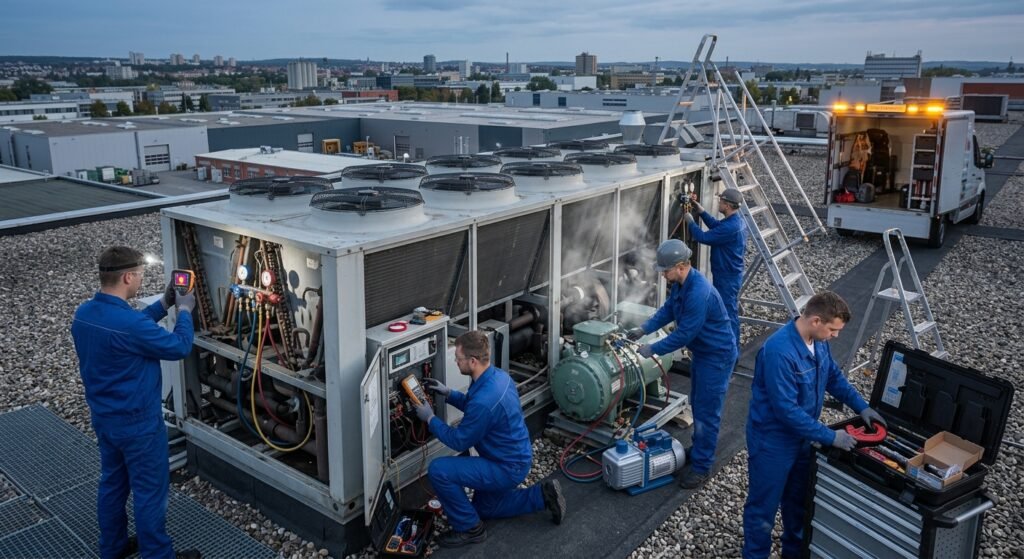 Licensed Commercial Techs
Looking for commercial HVAC installers near you? Get system sizing, equipment selection, ductwork planning, controls, electrical coordination, and…
Learn More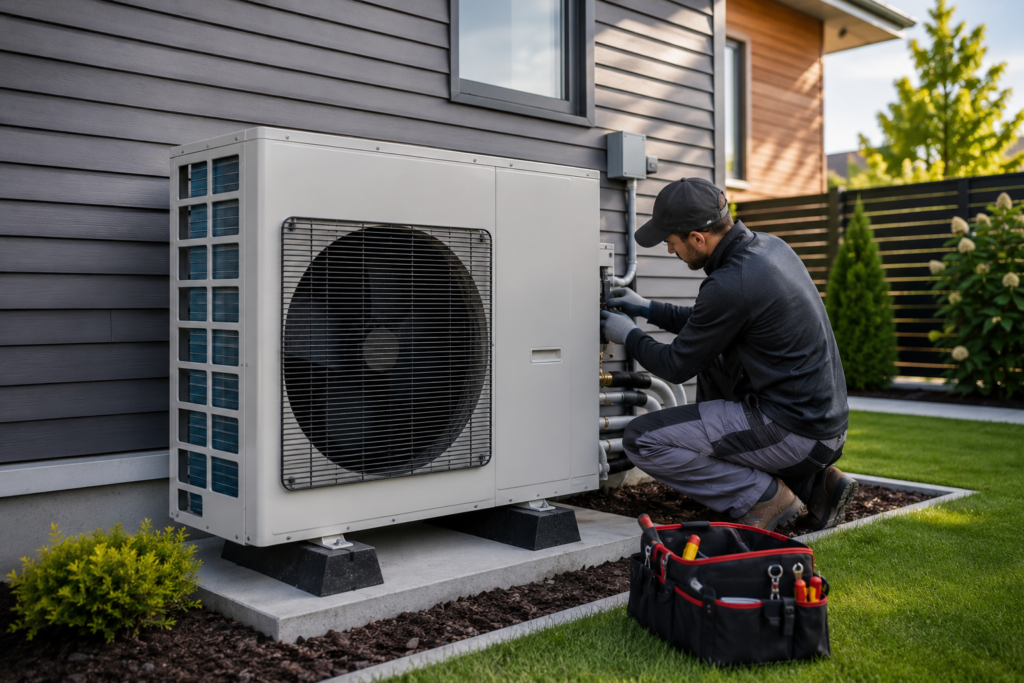 No Ductwork Required
Explore ductless heat pump systems for heating and cooling without traditional ductwork. Learn about installation, sizing, zones, costs,…
Learn More