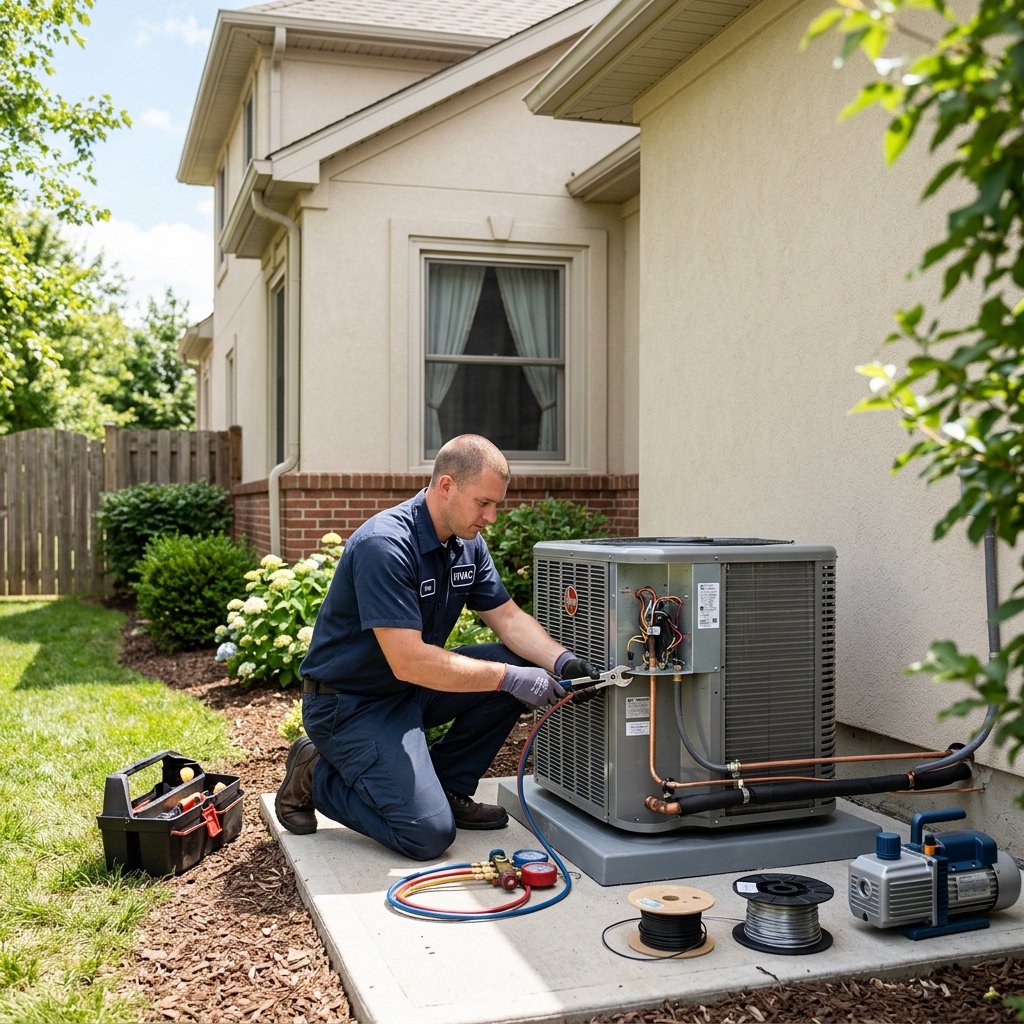
Yes, many HVAC installations and replacements require a mechanical permit, but the exact requirements depend on the city, county, equipment type, and project scope. Electrical, building, gas, or other permits can also apply when the installation changes related systems.
A straightforward air conditioner, furnace, or heat pump replacement may follow a simpler permit process than a new HVAC installation with ductwork, electrical upgrades, structural changes, or equipment relocation.
Homeowners should confirm requirements with the local building department before work begins. A contractor should also identify applicable permit and inspection requirements when defining the installation scope. HVAC Reliable Pros provides HVAC installation and replacement across available service areas in California, Florida, Ohio, and Washington. Our HVAC installation permits and codes guide covers the underlying code categories in more detail.
When Does HVAC Installation Require a Permit?
Many jurisdictions require a mechanical permit when a contractor installs, replaces, relocates, or substantially modifies permanently installed HVAC equipment.
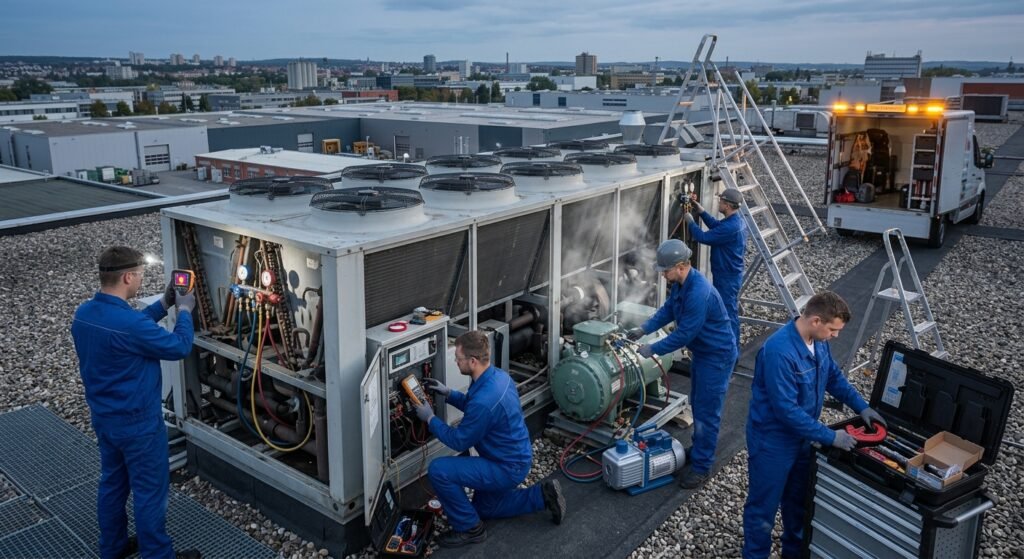
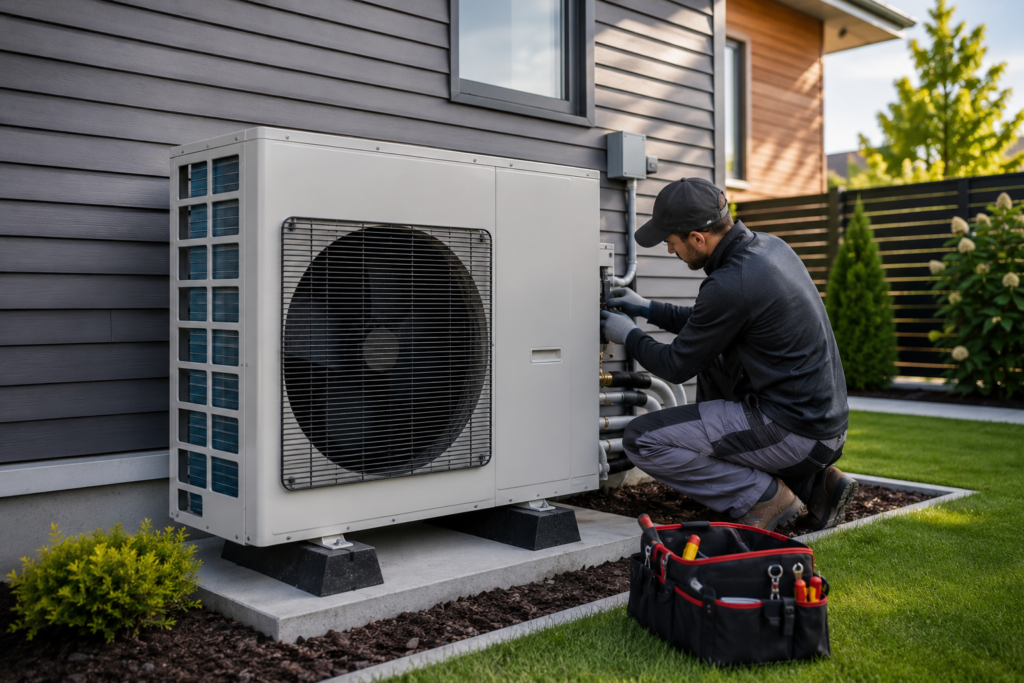
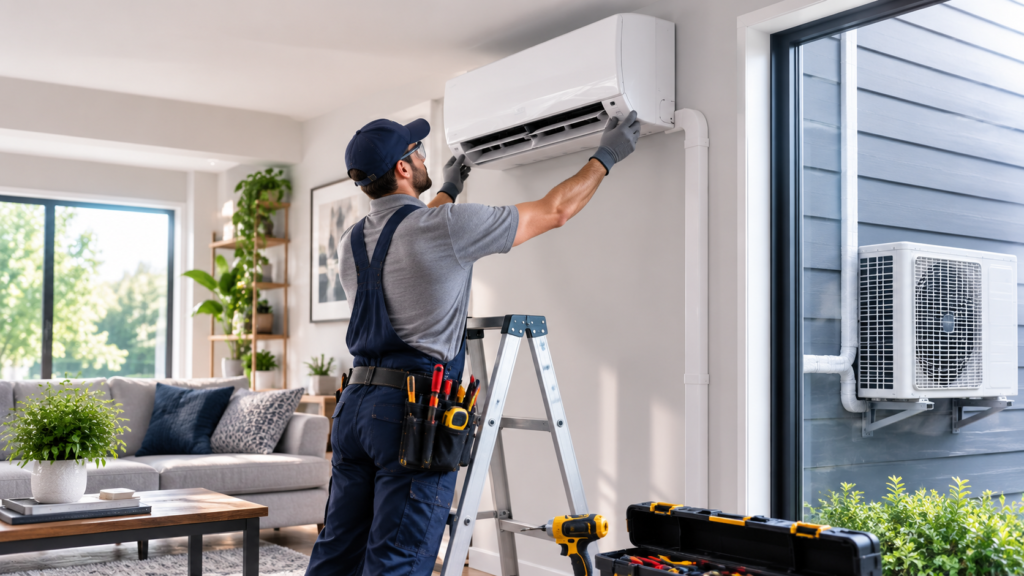
Projects that commonly trigger permit requirements include central AC installation or replacement, furnace installation or replacement, heat pump installation or replacement, new central HVAC systems, HVAC equipment relocation, substantial ductwork installation or modification, changes to electrical infrastructure, changes to fuel or gas connections, and some rooftop HVAC installations.
A simple repair can fall under different rules from complete equipment replacement. Replacing a minor component does not necessarily create the same permitting requirements as replacing a furnace, condenser, heat pump, or air handler. The local authority having jurisdiction determines the actual requirements.
Why Do HVAC Installations Need Permits?
HVAC equipment connects with several building systems that affect property and occupant safety. A central HVAC installation can involve electrical power, refrigerant circuits, condensate drainage, combustion equipment, venting, ductwork, structural supports, and controls. Permit and inspection processes give the local authority a way to evaluate applicable work against adopted requirements.
Permitting can also create an official record of the installation. The exact review depends on project scope. A direct equipment replacement can receive a different level of review from an installation that changes ducts, electrical infrastructure, structural supports, or equipment locations.
What Type of Permit Does HVAC Installation Need?
A mechanical permit represents the primary permit for many heating, ventilation, and air conditioning projects. Additional permits can apply when the project affects other building systems.