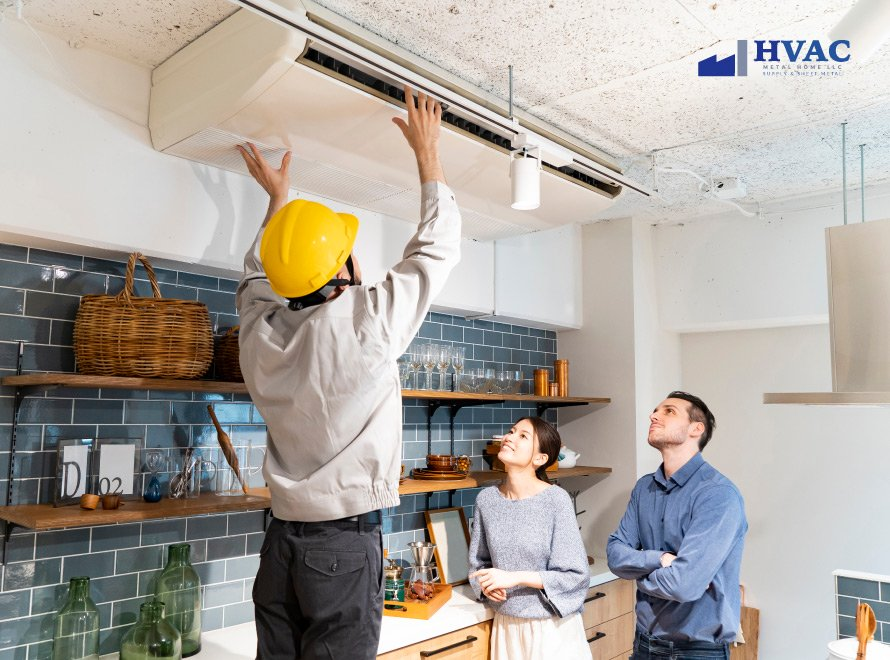
Installation Day

What to Expect During HVAC Installation Day

HVAC installation day usually includes removing the old equipment, installing the new heating and cooling system, making electrical and refrigerant connections, testing, and a final homeowner walkthrough. A straightforward HVAC replacement can often be completed within one working day, while projects involving ductwork or electrical upgrades may take longer.

What Happens During HVAC Installation Day?

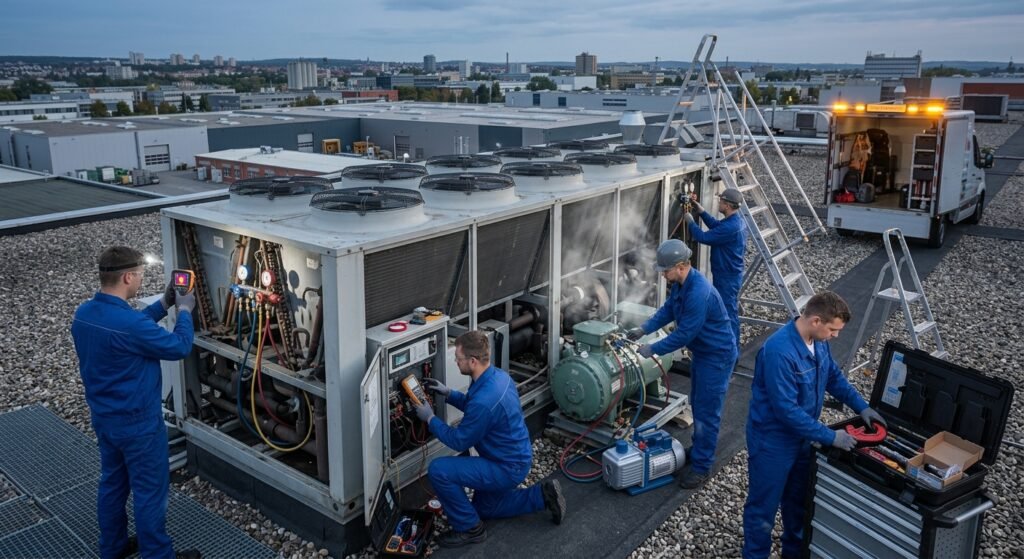
Most HVAC installation projects follow a predictable sequence. Technicians protect the work area, disconnect and remove existing equipment, install the new system, complete required connections, and test operation before finishing the project.
When Does the HVAC Installation Crew Arrive?

Installation crews commonly arrive in the morning so technicians have enough time to remove equipment, install the new system, test it, and clean up in the same day.

The contractor should confirm the arrival window before the appointment. Homeowners should make sure technicians can access the property, indoor equipment, outdoor unit, thermostat, and electrical panel.

How Is the Old HVAC System Removed?

Technicians first shut down electrical power and disconnect the existing HVAC equipment. Air conditioning and heat pump projects also require proper refrigerant recovery before removing the equipment.

Technicians then remove old furnaces, air handlers, evaporator coils, condensers, and related components according to the project scope. Contractors commonly inspect existing connections during this stage.

How Is the New HVAC System Installed?

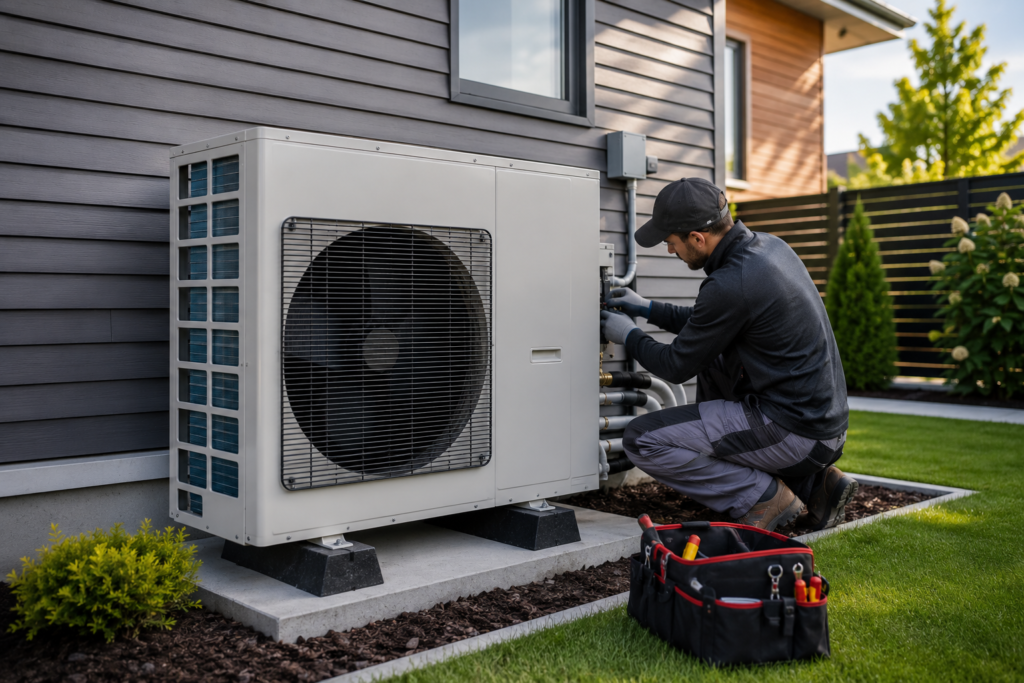
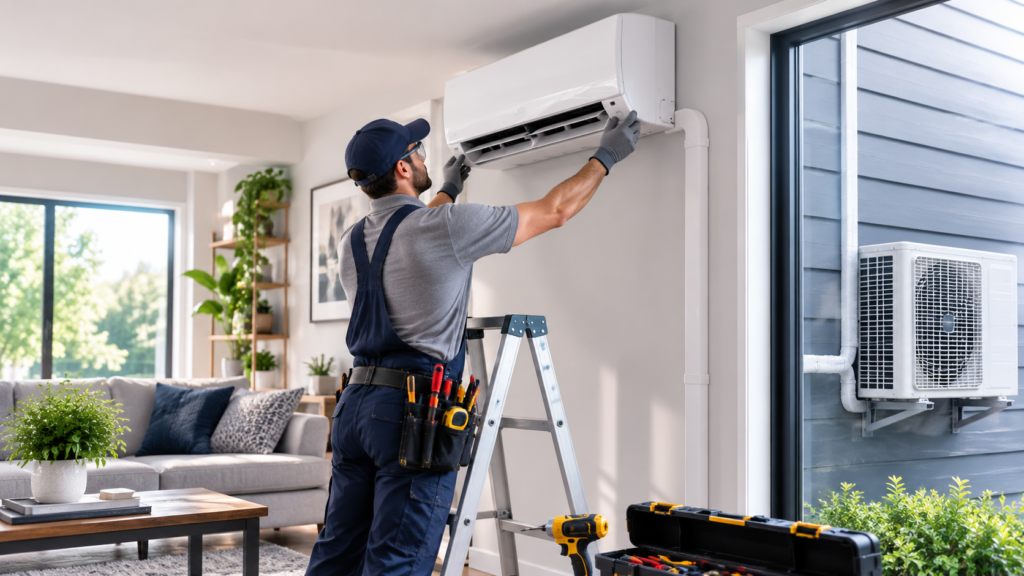
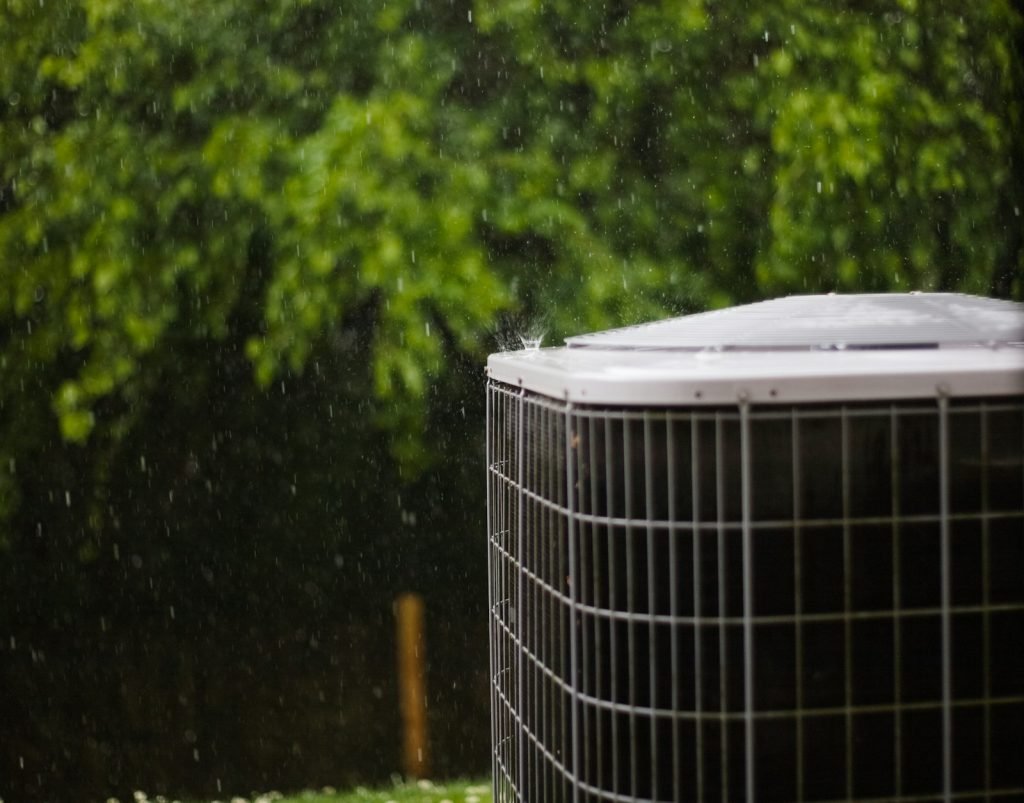
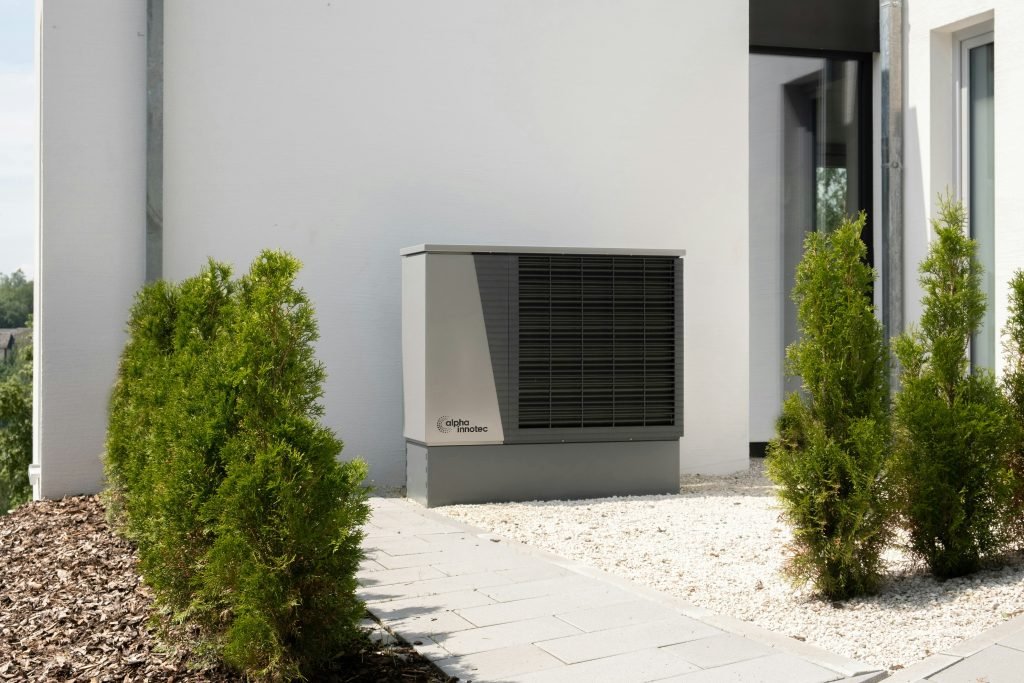
The installation team positions the indoor and outdoor equipment, then connects ductwork, refrigerant lines, drainage, electrical wiring, thermostat controls, and other required components.

Installation details depend on whether the project involves central AC, a complete HVAC system, a heat pump, or another configuration. Homeowners can review the HVAC Installation service page for additional detail.

Will Technicians Need Access Throughout the House?

Technicians usually need access to the HVAC equipment, thermostat, electrical panel, supply and return ducts, and outdoor installation area.

Some projects also require access to attics, crawlspaces, basements, closets, garages, or utility rooms where HVAC components or ductwork are located.

How Should You Prepare for HVAC Installation?

Preparing the home before technicians arrive can reduce delays and improve access to work areas. Search results for HVAC installation preparation consistently emphasize clearing equipment areas, providing access, protecting pets, and making room for contractor vehicles and equipment.

How to Prepare for HVAC Installation
Before the Crew Arrives

How to Prepare for HVAC Installation

A few simple preparations can reduce delays and help the installation crew work efficiently.

  1. Clear the Area Around HVAC Equipment

    Remove boxes, furniture, storage items, tools, and other belongings surrounding the existing indoor HVAC equipment so technicians have room to disconnect old equipment and move replacement components into position.

  2. Clear a Path From the Entrance to the Equipment

    Large HVAC components need to move between the contractor vehicle and the installation location. Clear hallways, stairs, doors, garages, and other access routes before the crew arrives.

  3. Keep Pets Away From the Work Area

    Keep pets in a separate room or secure area while technicians move equipment and tools through the property. Exterior gates may also remain open temporarily during outdoor equipment installation.

  4. Provide Access to the Electrical Panel

    HVAC installation requires electrical connections and system testing. Remove furniture or stored items blocking the electrical panel, circuit breakers, disconnects, and thermostats before the appointment.

  5. Make Space for Contractor Parking

    Installation vehicles often carry large equipment, recovery machines, tools, and replacement components. A driveway or clear area near the property entrance can make installation easier when available.

How Long Does HVAC Installation Take?

A standard replacement typically takes 4 to 8 hours, allowing many projects to finish in one working day. More involved installations, including ductwork changes, electrical upgrades, equipment conversions, or difficult access, may take 1 to 3 days. Homeowners can review How Long Does HVAC Installation Take for a full breakdown.

How Long Does a Straight HVAC Replacement Take?

Replacing existing equipment with a similar system often requires one day when existing ductwork, electrical connections, refrigerant lines, and equipment locations remain usable.

Technicians still need time for removal, equipment placement, connections, startup, testing, and homeowner instructions.

What Can Make HVAC Installation Take Longer?

Installation time can increase when the project requires:

New or modified ductwork

Electrical panel upgrades

Equipment relocation

New refrigerant lines

Difficult attic or crawlspace access

Multiple HVAC systems

Structural modifications

System type conversions

Unexpected conditions discovered after removing old equipment can also extend the project.

Does New Ductwork Increase Installation Time?

Yes. New duct installation or substantial duct modification requires additional labor beyond replacing the HVAC equipment.

Contractors may need to resize trunks, modify plenums, repair damaged ducts, add returns, or improve airflow before commissioning the new system.

Can HVAC Installation Take More Than One Day?

Yes. Larger or more complicated projects can continue into a second or third day.

A complete system conversion, new construction installation, extensive duct replacement, or major electrical work can take longer. Homeowners can review HVAC Installation Cost and HVAC Financing before planning a larger project.

How Is a New HVAC System Tested?

Testing and commissioning are critical parts of HVAC installation. Technicians should verify airflow, controls, electrical operation, refrigerant performance, drainage, temperature response, and other operating conditions before completing the project.

What Does HVAC Commissioning Include?

Commissioning verifies that the installed equipment operates according to the intended specifications.

Depending on the system, technicians may check refrigerant charge, airflow, electrical readings, thermostat settings, temperature differences, condensate drainage, and safety controls.

How Are Refrigerant Lines Tested?

Air conditioning and heat pump systems require properly sealed refrigerant connections.

Technicians test refrigerant piping before normal operation to identify leaks and confirm that the system can maintain appropriate pressure and operating conditions.

How Is HVAC Airflow Checked?

Airflow affects comfort, equipment performance, and operating reliability. Technicians evaluate supply and return airflow after equipment installation.

Duct restrictions, incorrect blower settings, undersized returns, or poorly fitted connections can reduce the performance of otherwise correctly installed equipment.

Will the Thermostat Be Tested?

Yes. The thermostat should control heating, cooling, fan operation, and applicable system settings correctly before the installation team leaves.

Smart thermostat installations can also require WiFi setup, programming, or homeowner account configuration.

What Should Homeowners Check Before the Crew Leaves?

Homeowners should confirm that the system heats or cools correctly, the thermostat responds properly, airflow reaches the expected rooms, and no unusual noises or leaks are present.

The final walkthrough should also explain basic operation and maintenance requirements.

What Happens After HVAC Installation?

HVAC installation does not necessarily end when the equipment begins operating. Homeowners should receive operating instructions, warranty information, maintenance guidance, and details about any required permits or follow up inspections.

Search results also commonly highlight a final walkthrough, system documentation, thermostat instructions, cleanup, and post installation inspection as important final steps.

Will the Contractor Explain the New HVAC System?

The installer should explain thermostat operation, filter replacement, equipment controls, and basic maintenance before leaving.

Homeowners should ask questions about any settings or features that differ from the previous system.

What HVAC Documents Should You Receive?

Installation paperwork can include equipment information, warranty documents, invoices, permit records, financing paperwork, and maintenance recommendations.

Keeping these records can help with future service, warranty claims, and property documentation.

Does HVAC Installation Require an Inspection?

Permit and inspection requirements vary by state and local jurisdiction. Some HVAC installations require permits followed by inspection after the project is completed.

The contractor should explain which requirements apply to the specific property and installation. Homeowners can review Do You Need a Permit to Install HVAC for more detail.

When Should the HVAC Filter Be Replaced?

Filter replacement frequency depends on filter type, HVAC usage, indoor air conditions, pets, and equipment specifications.

Homeowners should follow the equipment or filter manufacturer instructions and inspect filters regularly for visible buildup.

When Should HVAC Maintenance Begin?

A new system still requires routine maintenance. Regular inspection helps maintain airflow, drainage, electrical connections, heat transfer, and system reliability.

Homeowners should follow the maintenance schedule recommended for the installed equipment. Homeowners planning a larger project can also review the HVAC Replacement service page.

Our Services

Explore HVAC Reliable Pros Services

Compare our available installation, replacement, and repair services.

Heat Pump Services

Heat pump services provide efficient heating and cooling from one HVAC system. HVAC Reliable Pros connects homeowners with qualified HVAC…

Learn More
FAQ

Frequently Asked Questions

Do I need to be home during HVAC installation?

An adult usually needs to provide access when installation begins and may need to remain available for questions or the final walkthrough. Contractor policies vary, so homeowners should confirm requirements before installation day.

How long will my home be without heating or cooling?

A straightforward replacement can leave the home without heating or cooling for several hours while the old equipment is removed and the new equipment is connected. Most standard replacements can be completed in the same workday.

Will HVAC installers clean up after installation?

Professional installation normally includes removing installation debris and cleaning the primary work areas before completion. Homeowners should confirm whether disposal of old equipment is included in the estimate.

Will installers remove the old HVAC unit?

Removing old equipment is commonly part of HVAC replacement projects. The written estimate should confirm equipment removal and disposal before installation begins.

How much space do HVAC technicians need?

Technicians need clear access around indoor and outdoor equipment, plus enough room to safely move replacement components. Clearing nearby furniture, boxes, vegetation, and stored items before installation helps prevent delays.

Can I use my new HVAC system immediately after installation?

In most cases, the system can operate once installation, testing, and commissioning are complete. The technician should confirm that heating and cooling functions operate correctly before leaving.

What should I ask my HVAC installer before they leave?

Ask about thermostat operation, filter size and replacement schedule, maintenance requirements, warranties, permits, system settings, and who to contact if a problem develops.

Does HVAC installation require new ductwork?

Not always. Existing ductwork can remain if its condition, sizing, insulation, and airflow meet the new equipment requirements. Damaged or undersized ducts may require repairs or modifications.

Planning a New HVAC System?

Visit HVACReliablePros.com or call (866) 280 1324 for a free estimate.

  • Clear access to indoor and outdoor HVAC equipment
  • Expect technicians to test the complete system before leaving
  • More involved installations may require more than one day
Get a Free Estimate

Leave a Reply

Your email address will not be published. Required fields are marked *