Permits & Codes

Do You Need a Permit to Install HVAC?

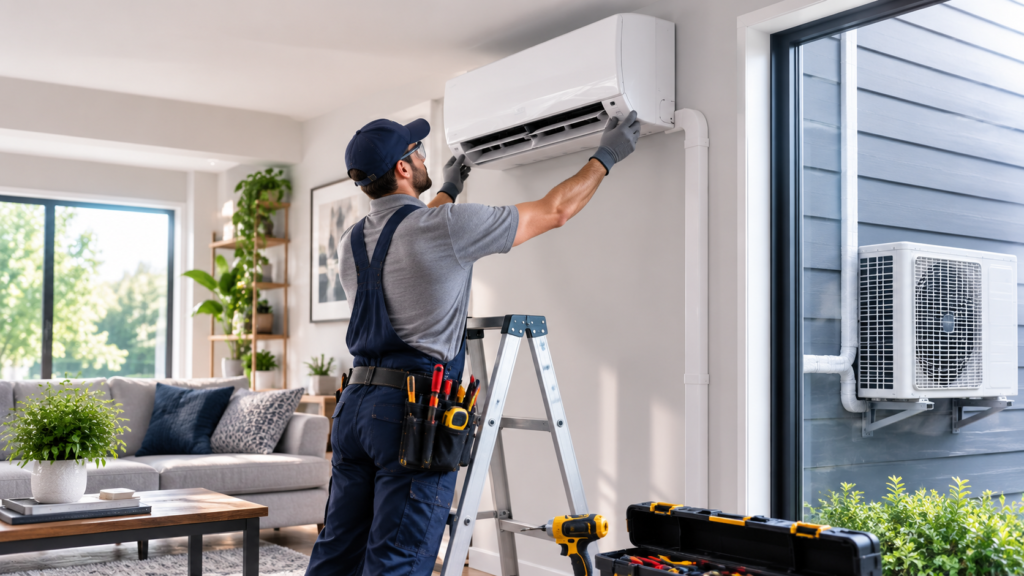
Do you need a permit to install or replace HVAC equipment? Learn when HVAC permits, inspections, electrical permits, and local code requirements may apply.

Yes, many HVAC installations and replacements require a mechanical permit, but the exact requirements depend on the city, county, equipment type, and project scope. Electrical, building, gas, or other permits can also apply when the installation changes related systems.

A straightforward air conditioner, furnace, or heat pump replacement may follow a simpler permit process than a new HVAC installation with ductwork, electrical upgrades, structural changes, or equipment relocation.

Homeowners should confirm requirements with the local building department before work begins. A contractor should also identify applicable permit and inspection requirements when defining the installation scope. HVAC Reliable Pros provides HVAC installation and replacement across available service areas in California, Florida, Ohio, and Washington. Our HVAC installation permits and codes guide covers the underlying code categories in more detail.

When Does HVAC Installation Require a Permit?

Many jurisdictions require a mechanical permit when a contractor installs, replaces, relocates, or substantially modifies permanently installed HVAC equipment.

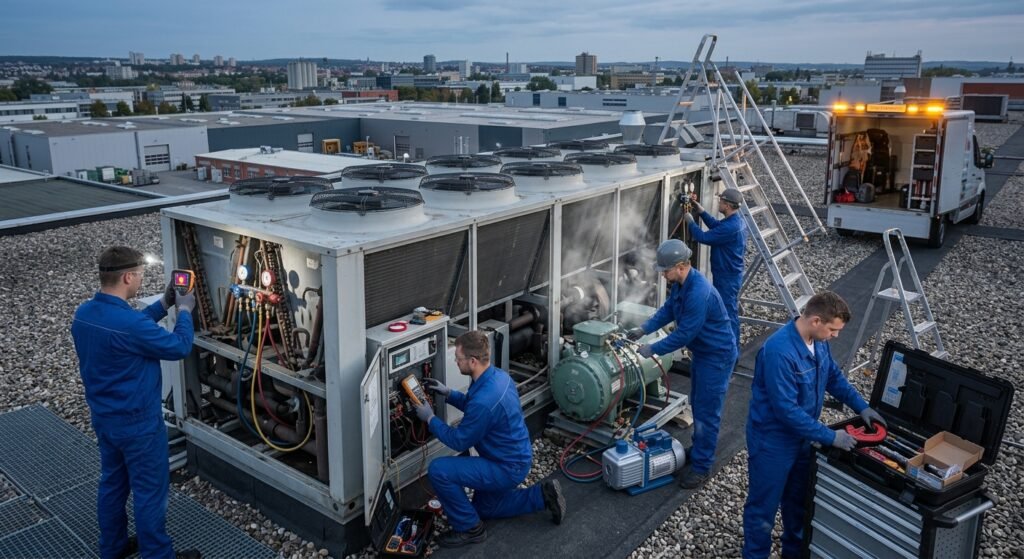
Projects that commonly trigger permit requirements include central AC installation or replacement, furnace installation or replacement, heat pump installation or replacement, new central HVAC systems, HVAC equipment relocation, substantial ductwork installation or modification, changes to electrical infrastructure, changes to fuel or gas connections, and some rooftop HVAC installations.

A simple repair can fall under different rules from complete equipment replacement. Replacing a minor component does not necessarily create the same permitting requirements as replacing a furnace, condenser, heat pump, or air handler. The local authority having jurisdiction determines the actual requirements.

Why Do HVAC Installations Need Permits?

HVAC equipment connects with several building systems that affect property and occupant safety. A central HVAC installation can involve electrical power, refrigerant circuits, condensate drainage, combustion equipment, venting, ductwork, structural supports, and controls. Permit and inspection processes give the local authority a way to evaluate applicable work against adopted requirements.

Permitting can also create an official record of the installation. The exact review depends on project scope. A direct equipment replacement can receive a different level of review from an installation that changes ducts, electrical infrastructure, structural supports, or equipment locations.

What Type of Permit Does HVAC Installation Need?

A mechanical permit represents the primary permit for many heating, ventilation, and air conditioning projects. Additional permits can apply when the project affects other building systems.
What Type of Permit Does HVAC Installation Need?

Project Work Permit That May Apply
AC, furnace, or heat pump installation Mechanical permit
HVAC equipment replacement Mechanical permit
New or changed electrical circuit Electrical permit
Major structural modifications Building permit
Gas piping modifications Gas or plumbing permit, depending on jurisdiction
Major duct modifications Mechanical permit and possibly plan review
Rooftop equipment Mechanical permit and possible structural review
Equipment relocation Mechanical permit and possible additional review

Local departments use different permit names and processes. Some jurisdictions combine mechanical, electrical, and plumbing work within one application, while others issue separate permits.

Do You Need a Permit to Replace an HVAC System?

Many jurisdictions require a permit for complete HVAC equipment replacement, even when the contractor installs new equipment in the same location.

A replacement can affect refrigerant connections, electrical service, equipment supports, duct transitions, drainage, controls, combustion systems, and other permanent building components. Some jurisdictions provide simplified or no plan permit processes for qualifying equipment replacements. A simplified application does not mean that the project has no permit requirement. Homeowners should confirm the local process before replacement work begins. Our HVAC replacement service accounts for these requirements on every project.

Do You Need a Permit to Replace an Air Conditioner?

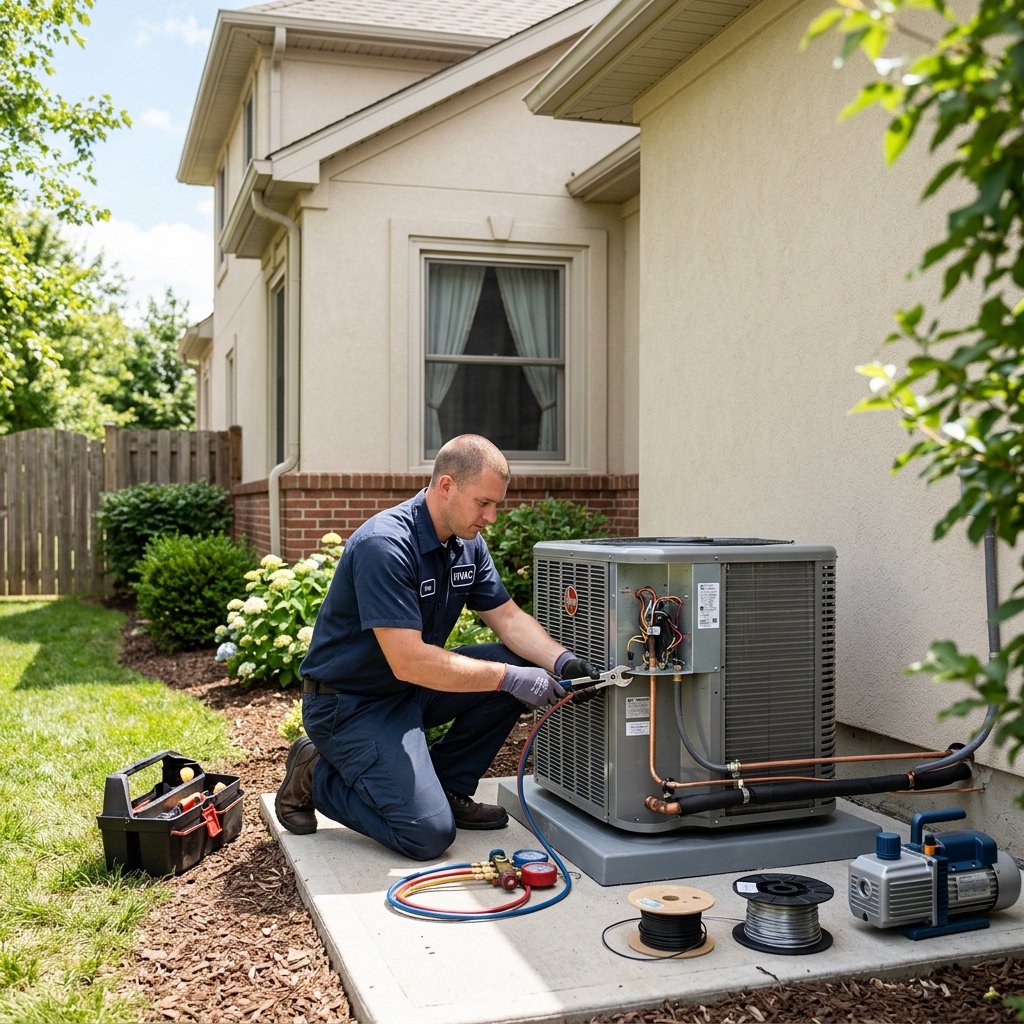
Many local jurisdictions require a mechanical permit for central air conditioner installation or replacement. A central AC system forms part of the building’s permanent mechanical system. The project normally involves an outdoor condenser, indoor cooling components, refrigerant tubing, electrical connections, condensate drainage, and controls.

Electrical changes can create an additional permit requirement when the new equipment needs different wiring, breakers, circuits, or other electrical modifications. Portable or temporary cooling equipment can follow different rules from permanently installed central AC. Our AC installation and AC replacement services account for these requirements as part of every project. Homeowners can also review how long AC installation takes once permitting is confirmed.

Do You Need a Permit to Replace a Furnace?

A furnace replacement can require a mechanical permit because the furnace forms part of the building’s permanent heating system. Fuel burning furnaces can also involve combustion air, gas connections, venting, flue systems, electrical connections, condensate drainage for condensing equipment, and duct connections.

A direct replacement can follow a simpler process than a project that relocates the furnace or changes fuel, venting, ducts, or other infrastructure. The contractor should determine applicable requirements before removing the existing furnace.

Do You Need a Permit to Install a Heat Pump?

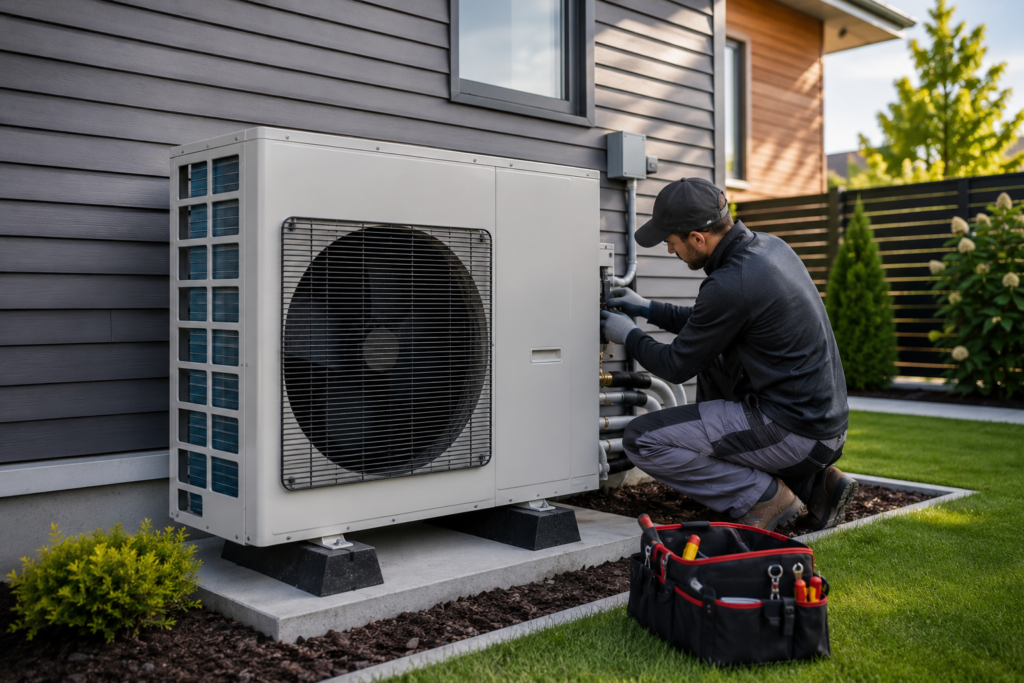
Many jurisdictions require a mechanical permit for a permanently installed heat pump. Heat pump installation can involve outdoor and indoor equipment, refrigerant tubing, electrical connections, controls, drainage, ductwork, and equipment supports.

A conversion from another heating system can create additional requirements. For example, replacing fuel burning equipment with an electric heat pump can change electrical demand and installation scope. The contractor should review both mechanical and electrical requirements before beginning the conversion. Our heat pump installation service covers this process in more detail.

Does Ductwork Require a Permit?

New or substantially modified ductwork can fall within mechanical permitting requirements. Ductwork affects airflow, equipment operation, ventilation, fire and smoke considerations in applicable buildings, and the performance of the HVAC system. A small connection adjustment at replacement equipment can receive different treatment from a complete duct redesign.

A project that adds central HVAC to a home without existing ducts can require a broader mechanical scope because technicians need to create supply and return pathways throughout the building. The contractor should include planned ductwork when determining permit requirements.

When Does HVAC Work Need an Electrical Permit?

HVAC equipment relies on electrical circuits, wiring, disconnects, breakers, controls, and other electrical components. A separate electrical permit can apply when installation requires a new circuit, different breaker or conductor size, electrical panel modifications, new disconnect arrangements, or other substantial electrical work.

A direct HVAC replacement may use compatible existing electrical infrastructure when the new equipment requirements support continued use. The contractor should compare the selected equipment’s electrical requirements with the existing infrastructure before installation day.

Can HVAC Work Require a Building Permit?

Some HVAC projects involve work beyond the mechanical system. A building permit or structural review can become relevant when technicians need to alter structural components, create major openings, install substantial rooftop equipment, construct equipment platforms, or make other building modifications.

Heavy rooftop equipment can also require verification that the structure can support the installation. A straightforward ground level equipment replacement usually presents a different scope from a rooftop commercial system or a residential installation requiring structural modifications. Our commercial HVAC installation service covers rooftop and structural considerations in more detail.

Who Pulls the HVAC Permit?

The answer depends on local rules and the project arrangement. In many contractor managed installations, the HVAC contractor handles the permit application for work within the contractor’s authorized scope. Some jurisdictions also provide owner builder or homeowner application processes when local and state requirements allow them.

Homeowners should confirm responsibility before signing the installation agreement. The written proposal should identify whether permit application, permit fees, inspections, and related administrative work form part of the quoted scope.

What Information Can an HVAC Permit Application Require?

Permit applications vary by jurisdiction, but the building department can request information about the property, contractor, equipment, and planned work.

Common information can include the property address, property owner information, contractor information, project description, equipment type, new installation or replacement status, equipment location, project value, electrical work, ductwork scope, heating and cooling load information where applicable, and plans or equipment schedules for projects requiring review.

More involved projects can require drawings, calculations, structural information, or additional documentation. A straightforward replacement can qualify for a simpler process in some jurisdictions.

Does HVAC Replacement Always Require Plans?

Not necessarily. Some jurisdictions provide simplified or no plan permit pathways for qualifying HVAC replacements. These processes can allow straightforward equipment changes without a full set of engineered construction plans.

More complicated projects can require plan review. Equipment relocation, structural work, substantial duct changes, commercial systems, unusual equipment configurations, or other modifications can increase documentation requirements. The building department determines whether the project qualifies for a simplified process.

Does a New HVAC System Need an Inspection?

Many permitted HVAC projects require an inspection or another form of local compliance review after installation. The inspector can review applicable portions of the installed work according to the jurisdiction’s requirements. The exact inspection scope depends on the equipment and project.

Projects involving electrical, gas, structural, or other permitted work can require additional inspections. The contractor should explain the expected inspection process and who will schedule the required inspection.

What Does an HVAC Inspector Check?

Inspection scope varies, but the review can cover elements connected with safe and code compliant installation. Depending on the project, the inspector can review equipment placement, required clearances, electrical connections, disconnects, equipment supports, duct connections, condensate drainage, venting, gas related work, and other applicable installation details.

The inspector can also review whether the installed work matches the approved permit scope. Manufacturer installation requirements remain important because HVAC equipment needs installation according to applicable instructions and specifications.

Can You Install HVAC Without a Permit?

Homeowners should not assume that HVAC work can proceed without a permit simply because the project looks like a direct replacement. A central air conditioner, furnace, heat pump, or complete HVAC system can fall under local mechanical permitting requirements even when new equipment replaces old equipment in the same location.

Starting permit required work without the appropriate approval can create problems with inspections, project records, future property transactions, or required corrections. Confirm the local requirement before work begins rather than trying to resolve an unpermitted installation afterward.

What Happens If HVAC Work Fails Inspection?

A failed inspection generally means that one or more parts of the work need correction before the jurisdiction can close the permit. The contractor should identify the cited issue, complete the required correction within the contractor’s scope, and arrange the next required inspection according to the local process.

The type of correction depends on the inspection finding. A problem can involve electrical work, equipment placement, drainage, venting, supports, duct connections, or another applicable requirement. Homeowners should keep permit and inspection documentation with other property records.

How Long Does an HVAC Permit Take?

Permit processing time varies substantially by jurisdiction and project complexity. Some local departments offer fast online or simplified permits for qualifying equipment replacements. More involved projects that require plan review, corrections, structural information, or coordination between departments can take much longer.

The permit timeline should not be confused with installation time. A straightforward HVAC replacement can physically take one working day while the administrative process spans additional time before or after installation. Our HVAC installation timeline guide covers physical installation time separately from permitting. Homeowners planning replacement during extreme weather should account for both scheduling and permitting requirements.

How Much Does an HVAC Permit Cost?

Permit fees vary by location and project scope, so one national price cannot accurately represent every installation. Some jurisdictions calculate fees from project value. Others use equipment type, permit category, review time, or a local fee schedule.

Additional electrical, building, or other permits can increase the total permit expense when the project extends beyond a basic mechanical installation. Ask for permit related charges in the written estimate rather than assuming that the equipment price includes every local fee.

HVAC Permit Requirements in California

California HVAC installations can require local mechanical or building permits, depending on the project and jurisdiction. Cities and counties administer the permit process, so homeowners should check requirements for the actual property address rather than relying on a statewide assumption. Replacement, relocation, duct modifications, and electrical work can affect the required permit scope.

Some jurisdictions provide simplified permit processes for qualifying residential AC or furnace work, while projects with broader modifications can require plans and additional review.

HVAC Permit Requirements in Florida

Florida HVAC permitting also depends heavily on the local authority. Many local Florida jurisdictions require mechanical permits for HVAC equipment replacement and modification. Electrical changes can trigger an additional electrical permit when the new system requires different wiring, breakers, or other infrastructure.

Contractor licensing, permit application procedures, inspection scheduling, and required documentation can also depend on the local jurisdiction and project. Homeowners should confirm requirements for the city or county where the property sits.

HVAC Permit Requirements in Ohio

HVAC projects in Ohio can require mechanical permits through the authority that administers building requirements for the property. Central AC, furnaces, heat pumps, new equipment, replacements, and related mechanical work can fall within the permitting process. Local departments can also require contractor and equipment information.

Electrical work or broader building changes can create additional permit requirements. Homeowners should identify the correct local building department because permit administration can vary by jurisdiction.

HVAC Permit Requirements in Washington

Washington HVAC permit requirements also depend on the local jurisdiction and project scope. Local departments can require mechanical permits for new HVAC equipment and replacement systems. Some jurisdictions provide streamlined permit options for qualifying furnace, heat pump, or air conditioner replacements.

Electrical work can follow a separate process from the mechanical permit. The contractor should determine which permits apply before scheduling installation.

Real World HVAC Permit Example

Consider a 2,000 square foot home in Washington where the homeowner wants to replace an aging furnace and central AC system. The contractor evaluates the heating and cooling requirements, selects compatible replacement equipment, inspects accessible ductwork, checks equipment locations, and reviews electrical requirements.

The local jurisdiction requires mechanical permitting for the equipment replacement. The project also needs electrical work because the selected equipment changes part of the existing electrical configuration.

The contractor accounts for the applicable mechanical and electrical requirements before installation begins. The physical equipment replacement can still fit within a normal installation schedule, but the complete project also includes permit and inspection steps. The example shows why homeowners should ask about permits during the estimate rather than on installation day.

Questions to Ask Your HVAC Contractor About Permits

Homeowners should understand permit responsibilities before approving an installation.

Ask whether the project requires a mechanical permit, whether electrical or other permits also apply, who will submit the applications, whether permit fees appear in the estimate, and who will schedule required inspections. Also ask how permit processing could affect the installation date. Clear answers help prevent disagreements about fees, inspections, and project completion. Our HVAC sizing guide covers the load calculation questions worth asking as well.

Areas We Serve

HVAC Reliable Pros provides HVAC installation and replacement across available service areas in California, Florida, Ohio, and Washington. Permit and inspection requirements vary by city, county, equipment type, and project scope. HVAC Reliable Pros can evaluate the planned installation and identify requirements that need confirmation for the service location.

Service availability varies by city, county, and ZIP code. Call (866) 280 1324 to confirm HVAC service availability and request a free estimate.

Our Services

Explore HVAC Reliable Pros Installation Services

Compare our available heating and cooling installation and replacement services.

FAQ

Frequently Asked Questions

Do I need a permit to replace my HVAC system?

Many jurisdictions require a mechanical permit for HVAC equipment replacement. Local rules determine the exact requirement, so homeowners should confirm the permit process with the applicable building department before installation.

Do I need a permit to replace my AC unit?

Many local jurisdictions require a mechanical permit for permanently installed central AC replacement. Electrical modifications can also require a separate electrical permit depending on the project.

Does replacing a furnace require a permit?

A furnace replacement can require a mechanical permit because the project affects a permanent heating system. Gas, venting, electrical, or other changes can create additional requirements.

Does a heat pump replacement require a permit?

Many jurisdictions require a mechanical permit for heat pump replacement. Electrical upgrades, equipment relocation, new ductwork, or other modifications can expand the required permit scope.

Does an HVAC permit require an inspection?

Many permitted HVAC installations include an inspection or other compliance review. The local jurisdiction determines inspection requirements and the process for closing the permit.

Who should get the HVAC permit?

The responsible party depends on local rules and the project arrangement. Contractors commonly handle permits for contractor managed installations, while some jurisdictions allow qualifying property owners to apply under specific conditions.

Plan Your HVAC Installation

Many central AC, furnace, heat pump, and complete HVAC installations require a mechanical permit, while electrical, structural, gas, or other work can create additional requirements. A complete HVAC estimate should clearly define equipment, installation work, expected modifications, permit responsibilities, and inspection requirements.

  • Applicable permits identified before work begins
  • Permit fees and responsibilities included in the written estimate
  • Inspection process explained up front
Get a Free Estimate

Leave a Reply

Your email address will not be published. Required fields are marked *