Diagnosis Before Repair
The failed component gets tested and identified first, so replacement parts are not swapped on guesswork.
A sudden HVAC failure can leave a home without cooling during hot weather or without heating when outdoor temperatures drop. HVAC Reliable Pros technicians diagnose heating and cooling problems, identify failed components, explain repair requirements, and determine whether the existing equipment can return to reliable operation.
An HVAC problem becomes more urgent when equipment failure creates unsafe indoor conditions, stops heating or cooling during extreme weather, produces electrical warning signs, or causes water to collect around HVAC components.
Burning smells, repeated breaker trips, unusual electrical sounds, severe overheating, and other potential electrical problems require immediate attention. Property owners should stop operating equipment when continued operation could create an electrical or equipment hazard. A technician can inspect the HVAC system and determine the source of the failure.
Call for urgent HVAC service when the heating or cooling system stops operating during extreme temperatures or when the equipment shows signs of an electrical or mechanical problem. Complete airflow loss and repeated system shutdowns can also require prompt diagnosis.
Water leaking around HVAC equipment can require faster attention when condensate threatens ceilings, floors, walls, or nearby electrical components. Unusual burning odors or repeated breaker trips also justify immediate investigation. A technician diagnoses the cause rather than repeatedly restarting malfunctioning equipment.
An air conditioner can continue running without producing enough cooling. Restricted airflow, refrigerant circuit problems, compressor faults, dirty coils, control failures, and other mechanical issues can reduce cooling performance.
A technician checks system operation and identifies the component or condition causing the cooling loss. The diagnosis determines whether cleaning, adjustment, component repair, or equipment replacement provides the appropriate solution. Property owners should avoid assuming that low refrigerant causes every cooling problem.
An AC system that does not start can have problems involving the thermostat, electrical supply, control components, safety switches, capacitor, contactor, compressor, or other equipment.
A technician can test the electrical and mechanical systems to identify the actual fault. Replacing components without diagnosis can add cost without correcting the underlying problem. Repeated breaker trips require particular attention because an electrical fault or equipment problem can cause the breaker to open again.
A furnace can stop producing heat because of ignition problems, electrical faults, control failures, airflow restrictions, blower problems, or other equipment conditions. Fuel burning equipment can also require additional safety checks.
A technician evaluates the furnace and identifies the source of the heating failure, then determines whether the furnace needs a repair or whether equipment condition makes replacement more practical. Property owners should follow manufacturer safety instructions and avoid bypassing furnace safety controls.
A heat pump provides heating and cooling through the refrigerant cycle, so several components can affect operation in either mode. Compressor faults, refrigerant problems, airflow restrictions, electrical issues, control failures, and outdoor unit problems can reduce performance.
Cold weather can also change heat pump operation. A technician distinguishes normal cold weather operating behavior from an actual equipment failure before recommending repairs, and evaluates both indoor and outdoor equipment during diagnosis. Homeowners planning ahead for equipment that has reached the end of its service life can also review our heat pump installation service.
A system that runs without moving air through the building can have a blower problem, electrical fault, control issue, blocked filter, damaged duct connection, or another airflow restriction.
The technician inspects the air handling equipment and accessible air distribution components. Correcting airflow requires identifying the restriction or failed component rather than increasing thermostat demand. Continued operation with severely restricted airflow can place additional stress on HVAC equipment.
Frequent shutdowns can indicate control problems, airflow restrictions, electrical faults, equipment overheating, or other mechanical conditions. Incorrect system sizing can also contribute to frequent cycling during normal operation.
A technician observes system operation and tests relevant components before recommending repairs. Repeatedly resetting the equipment does not address the cause of recurring shutdowns, so the repair targets the diagnosed fault rather than the visible symptom alone.
A breaker protects an electrical circuit when electrical conditions exceed safe limits. HVAC equipment that repeatedly trips a breaker can have wiring problems, motor faults, compressor problems, electrical component failures, or other conditions.
Property owners should not repeatedly reset a breaker that continues to trip. A qualified technician or electrician identifies the electrical cause before normal HVAC operation resumes. Electrical diagnosis requires appropriate testing equipment and safe work practices.
A persistent burning or electrical smell can indicate overheated wiring, a failing motor, an electrical component problem, or another equipment fault. Property owners should treat unexplained burning odors seriously.
Stop operating the affected HVAC equipment when continued operation could create a safety concern. Contact an HVAC professional for diagnosis and follow emergency guidance when smoke, fire, or another immediate hazard develops. Do not open electrical compartments or attempt electrical repairs without appropriate qualifications.
New grinding, screeching, banging, or repeated electrical sounds can indicate mechanical or electrical problems. Motors, bearings, blower assemblies, compressors, fans, and loose components can produce abnormal noises.
A technician can locate the sound and inspect the affected components. Early diagnosis can prevent continued operation from causing additional equipment damage in some situations. Normal operating sounds vary by system, so a sudden change usually provides more useful information than equipment noise alone.
Cooling equipment removes moisture from indoor air and directs condensate through a drainage system. A blocked drain, damaged drain component, frozen coil, or drainage problem can cause water to collect around indoor HVAC equipment.
Water can damage floors, ceilings, walls, and nearby materials when a leak continues. Property owners should stop equipment when continued operation increases water damage and arrange professional diagnosis. The technician identifies both the water source and the condition that caused the leak.
Ice on an evaporator coil can develop when airflow or refrigerant system conditions prevent normal heat transfer. Dirty filters, blower problems, airflow restrictions, coil conditions, and refrigerant problems can contribute to freezing.
Simply removing visible ice does not identify the underlying cause. A technician determines why the coil froze before returning the AC system to normal operation, since operating equipment with a frozen coil can reduce cooling performance and place additional stress on system components.
Low refrigerant can reduce heating or cooling performance when a leak allows refrigerant to escape from the sealed circuit. Refrigerant does not normally disappear simply because the HVAC system operates.
A technician inspects the system and determines whether a leak or another refrigerant circuit problem exists. Adding refrigerant without addressing a confirmed leak does not correct the source of refrigerant loss. Refrigerant work requires appropriate equipment and technician qualifications.
The compressor circulates refrigerant through the HVAC system and plays a central role in heat transfer. Electrical faults, mechanical wear, refrigerant conditions, and other system problems can affect compressor operation.
A technician tests the compressor and related components before recommending replacement. Some symptoms that appear to indicate compressor failure can originate from electrical or control components. Compressor condition, equipment age, repair cost, and overall system condition can influence repair versus replacement decisions.
The blower moves conditioned air through ductwork in central HVAC systems. A failed motor, control problem, electrical fault, damaged component, or airflow restriction can stop or reduce air movement.
A technician inspects the blower assembly and related electrical components before selecting a repair, and checks for airflow conditions that may have contributed to excessive motor stress. Restoring blower operation allows the HVAC system to move heated or cooled air through the building again.
A thermostat communicates temperature requirements to HVAC controls. Incorrect settings, wiring problems, sensor faults, control failures, or compatibility issues can prevent normal equipment operation.
A technician verifies thermostat operation before assuming that major HVAC equipment has failed. Control diagnosis can identify whether the problem originates at the thermostat or elsewhere within the system. Replacement controls should match the HVAC equipment and required operating stages.
Disconnected or damaged ducts can release conditioned air into attics, crawl spaces, mechanical areas, or other unintended locations. Severe duct problems can reduce airflow to occupied rooms and increase heating or cooling difficulties.
A technician inspects accessible ducts when system operation suggests an air distribution problem. The contractor can repair damaged connections or recommend additional duct evaluation when the problem extends beyond accessible areas, since new HVAC equipment cannot correct major air distribution defects without duct repairs.
Repair often makes sense when a technician identifies an isolated component failure and the remaining HVAC equipment stays serviceable. Controls, motors, electrical components, and other replaceable parts can sometimes restore normal operation.
Replacement can become more practical when equipment develops repeated failures, deteriorated major components, unsuitable capacity, or multiple expensive problems. Equipment age and repair history also provide useful context. A technician diagnoses the current failure before recommending complete HVAC replacement, and homeowners weighing that decision can review our HVAC installation cost guide.
Turn off HVAC equipment when burning smells, repeated breaker trips, severe mechanical noises, water near electrical components, or another potential safety problem appears. Avoid repeatedly restarting equipment that shuts down, because repeated operation can worsen some faults.
Keep the area around indoor and outdoor HVAC equipment accessible for the technician. Property owners can also note thermostat readings, unusual sounds, odors, water locations, and when the failure started. Do not remove electrical panels, bypass safety switches, or perform refrigerant work without appropriate qualifications.
Consider a 2,100 square foot home in Florida where the central AC stops cooling during a hot afternoon. The thermostat continues calling for cooling, but the homeowner notices weak airflow and water near the indoor air handling equipment.
The technician checks thermostat operation, filter condition, blower performance, evaporator coil condition, condensate drainage, and the outdoor equipment. The inspection identifies a restricted condensate drain and an evaporator coil that has started to freeze because of an airflow problem.
The technician corrects the documented drainage and airflow problems, allows the coil to return to normal operating condition, and tests cooling operation. The technician also verifies condensate flow and supply airflow before completing the service visit. The diagnostic process addresses the causes of the shutdown rather than replacing HVAC components without testing.
Emergency HVAC repair cost depends on the failed component, diagnostic work, required parts, system type, labor, and service timing. A simple electrical or control repair can cost much less than compressor, refrigerant, blower, or other major mechanical work.
After hours, weekend, or urgent service can also include additional service charges depending on local availability and contractor policies. The technician diagnoses the equipment before providing the repair scope. When repair costs become substantial, property owners can compare the repair with the cost and expected service life of replacement equipment.
Routine maintenance can identify developing airflow, drainage, electrical, and mechanical problems before some failures interrupt heating or cooling. Homeowners should also replace or clean filters according to equipment and manufacturer requirements.
Keep outdoor equipment clear of vegetation and debris that restrict airflow. Indoor equipment also needs suitable access for inspection, filter service, condensate maintenance, and repair. Professional maintenance can include coil inspection, drainage checks, electrical testing, control evaluation, airflow checks, and equipment performance testing.
Commercial HVAC failures can affect employees, customers, tenants, products, and normal business operations. Offices, restaurants, retail properties, and other commercial buildings can therefore require prompt diagnosis when essential heating or cooling stops.
A commercial HVAC technician evaluates equipment, controls, electrical conditions, airflow, and building requirements before defining the repair. Properties with multiple HVAC units can also require diagnosis of individual systems and zones. Commercial clients should provide equipment access information and describe any areas experiencing heating or cooling problems when requesting service. Our commercial HVAC installation service covers replacement planning once a failing system reaches the end of its service life.
HVAC Reliable Pros provides HVAC repair across available service areas in California, Florida, Ohio, and Washington. Homeowners and commercial clients can request help with AC failures, heating problems, heat pump issues, airflow problems, electrical faults, and other HVAC breakdowns.
Service availability, including urgent appointment availability, can vary by city, county, ZIP code, technician schedule, and current demand. Call (866) 280 1324 to confirm emergency HVAC repair availability in your area.
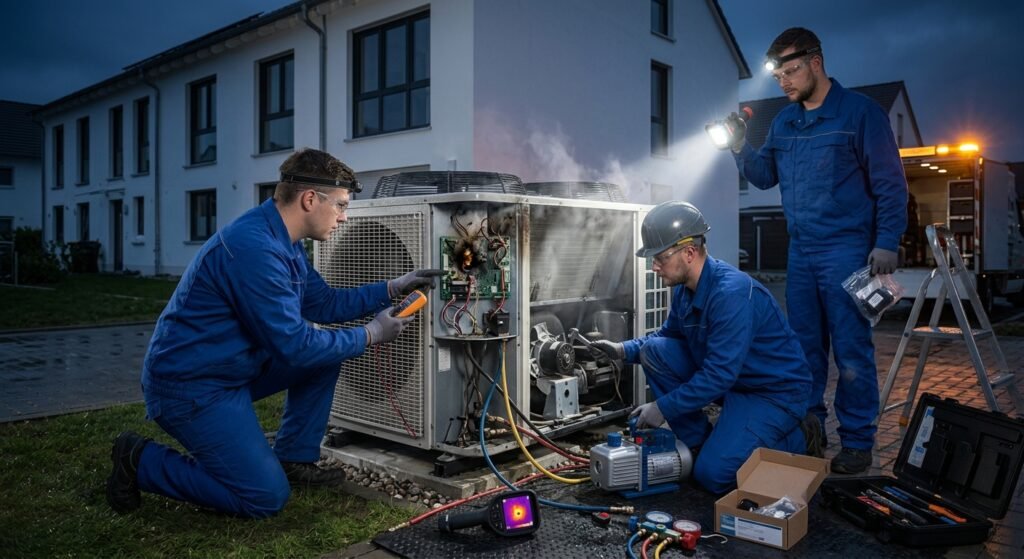
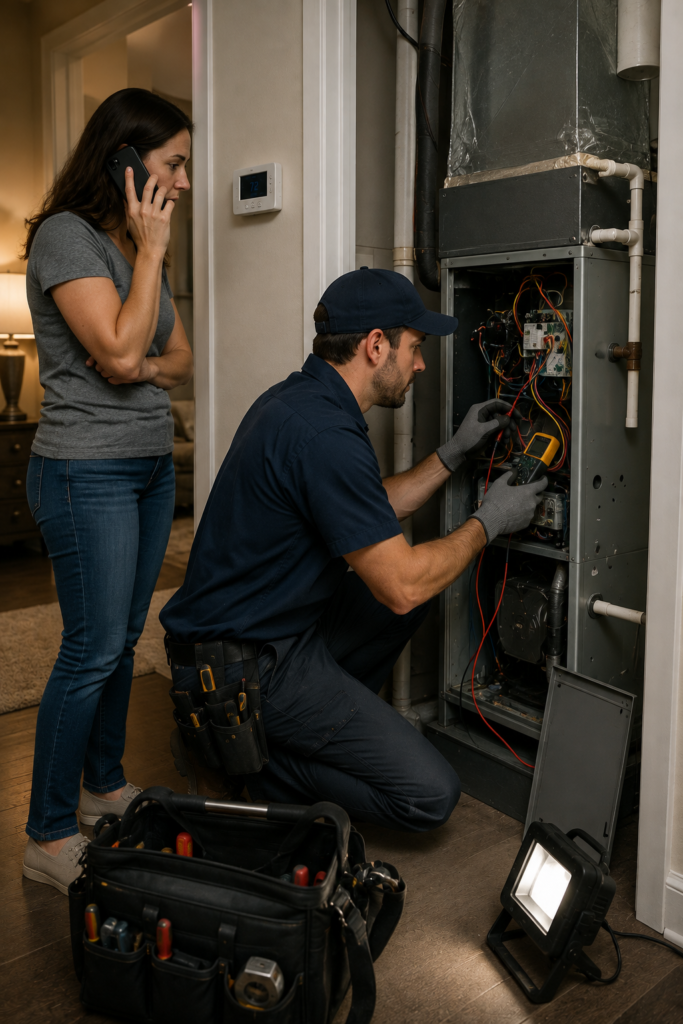
Emergency HVAC repair starts with a description of the problem and ends with tested, confirmed operation.
The technician reviews system symptoms, thermostat operation, electrical conditions, airflow, and heating or cooling performance.
Diagnostic testing identifies the failed component or operating condition responsible for the breakdown.
The technician explains the repair scope, available options, and any equipment conditions that affect the decision.
After completing an approved repair, the technician tests applicable HVAC functions and confirms whether the system can return to operation.
A breakdown needs an accurate diagnosis before repair, not a guess. HVAC Reliable Pros tests the actual failed component, whether electrical, mechanical, or refrigerant related, before recommending a repair or a replacement.
The failed component gets tested and identified first, so replacement parts are not swapped on guesswork.
Breaker trips, burning smells, and control faults are diagnosed with appropriate testing equipment and safe practices.
Emergency diagnosis available for homes and for offices, restaurants, retail, and other commercial properties.
A clear comparison of repair cost against equipment age, repair history, and remaining service life.
Loss of heating or cooling during extreme weather, persistent burning smells, repeated breaker trips, serious electrical symptoms, and water threatening property or electrical components can require urgent attention. Immediate fire, gas, or electrical hazards require the appropriate emergency service.
Turn off the affected equipment when continued operation could create a safety concern and arrange professional diagnosis. If smoke, fire, or another immediate danger develops, leave the affected area and contact the appropriate emergency service.
A breaker can trip because of electrical faults, wiring problems, motor issues, compressor problems, or failed HVAC components. Avoid repeatedly resetting a breaker that continues to trip and arrange professional electrical or HVAC diagnosis.
Airflow restrictions, refrigerant problems, dirty coils, compressor faults, control issues, and other mechanical conditions can reduce cooling. A technician should test the system before recommending a repair.
Repair can make sense when one component has failed and the remaining equipment stays serviceable. Repeated failures, deteriorated major components, unsuitable capacity, and high repair costs can make replacement more practical.
Yes. A frozen evaporator coil can severely reduce airflow and cooling performance. A technician should identify the airflow, refrigerant, blower, or other condition that caused the coil to freeze before normal operation resumes.
Real feedback from homeowners who trust us with their comfort.


The team was professional from the first estimate through the final walkthrough, and our new system has kept the house comfortable ever since.

Our furnace went out in the middle of winter and they responded quickly with a clear plan and honest pricing.

Reliable, communicative, and thorough- exactly what we needed for our commercial HVAC installation.
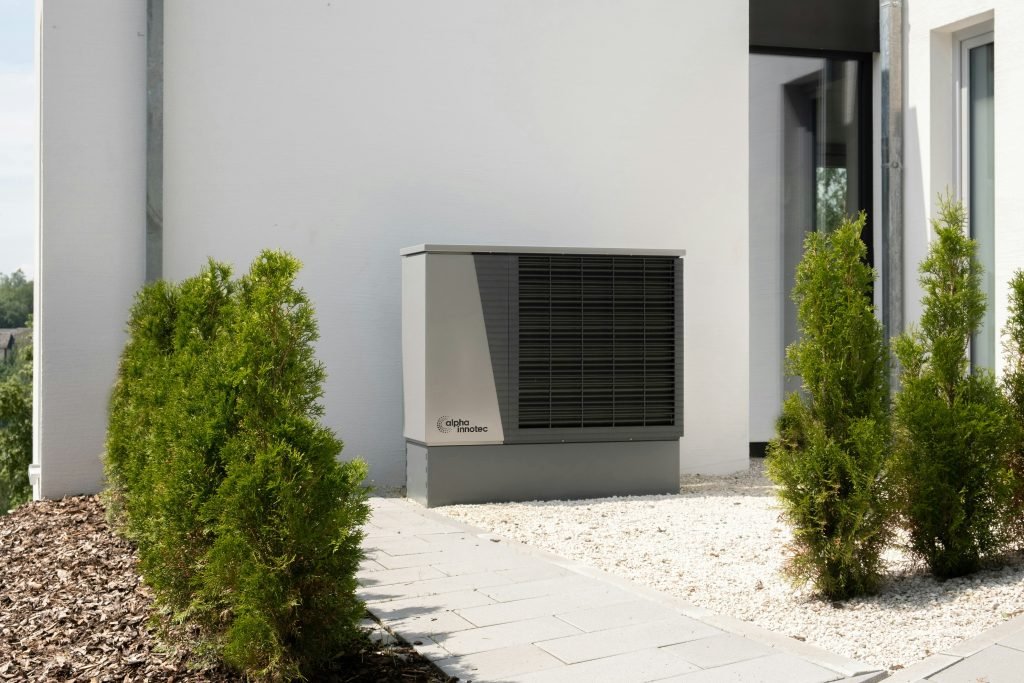
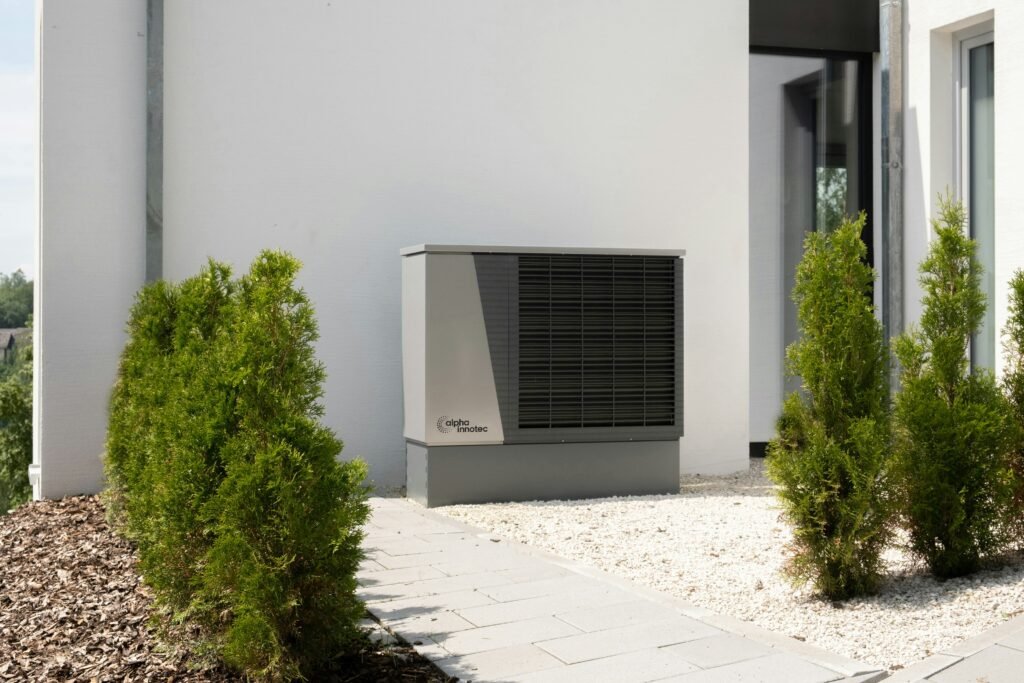
Heat pump services provide efficient heating and cooling from one HVAC system. HVAC Reliable Pros connects homeowners with…
Learn More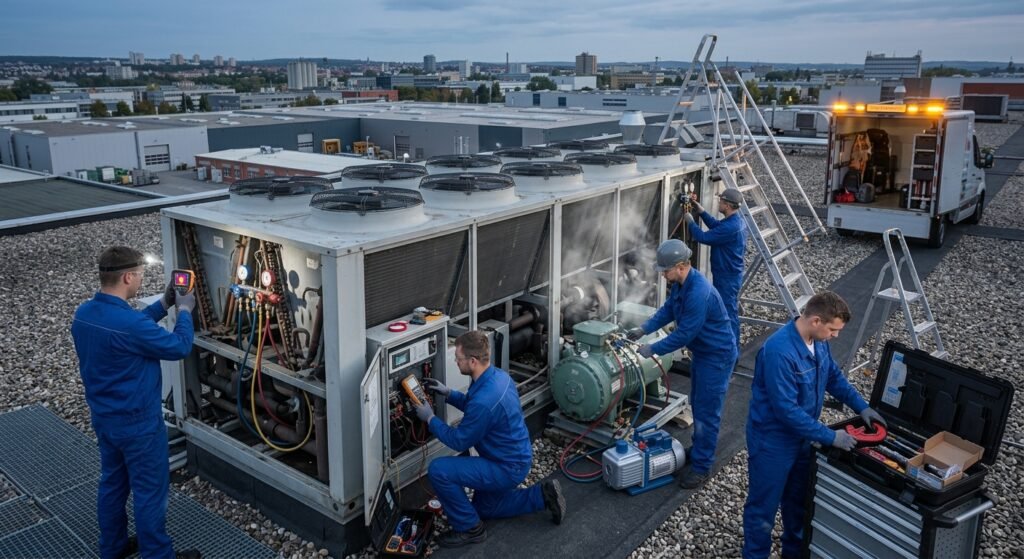 Licensed Commercial Techs
Looking for commercial HVAC installers near you? Get system sizing, equipment selection, ductwork planning, controls, electrical coordination, and…
Learn More No Ductwork Required
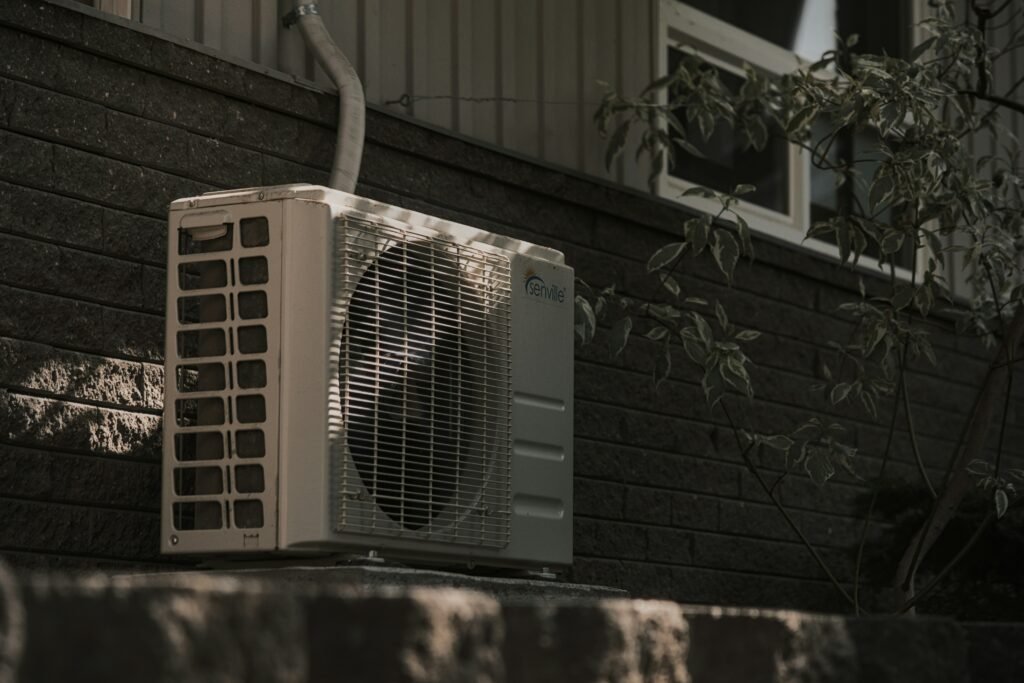
Explore ductless heat pump systems for heating and cooling without traditional ductwork. Learn about installation, sizing, zones, costs,…
Learn More