Replacement Guide

Heat Pump Replacement Near Me

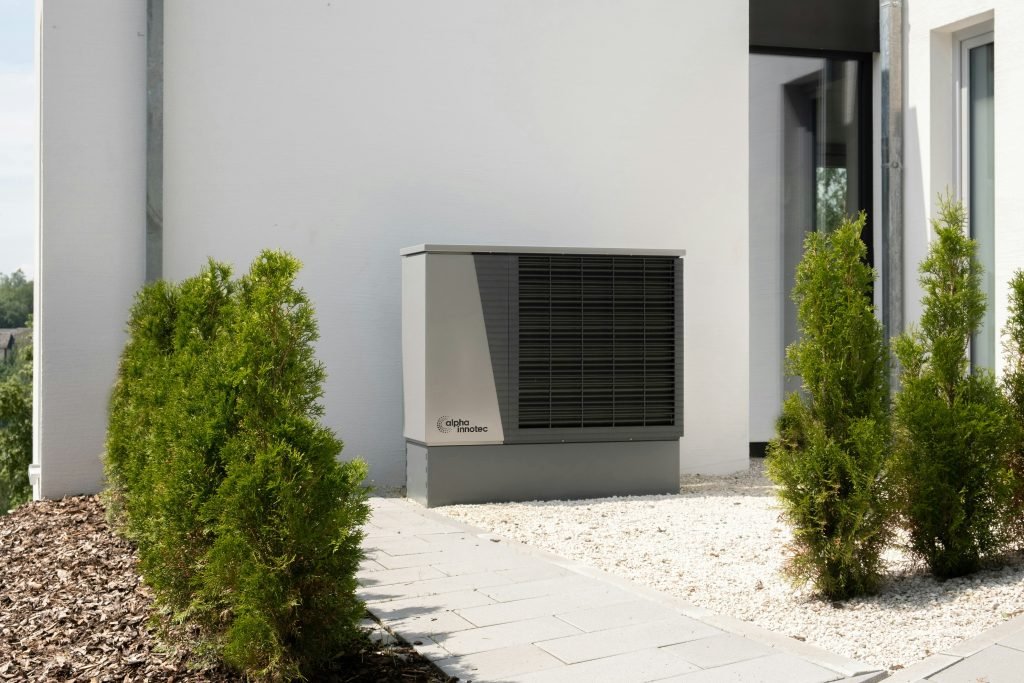
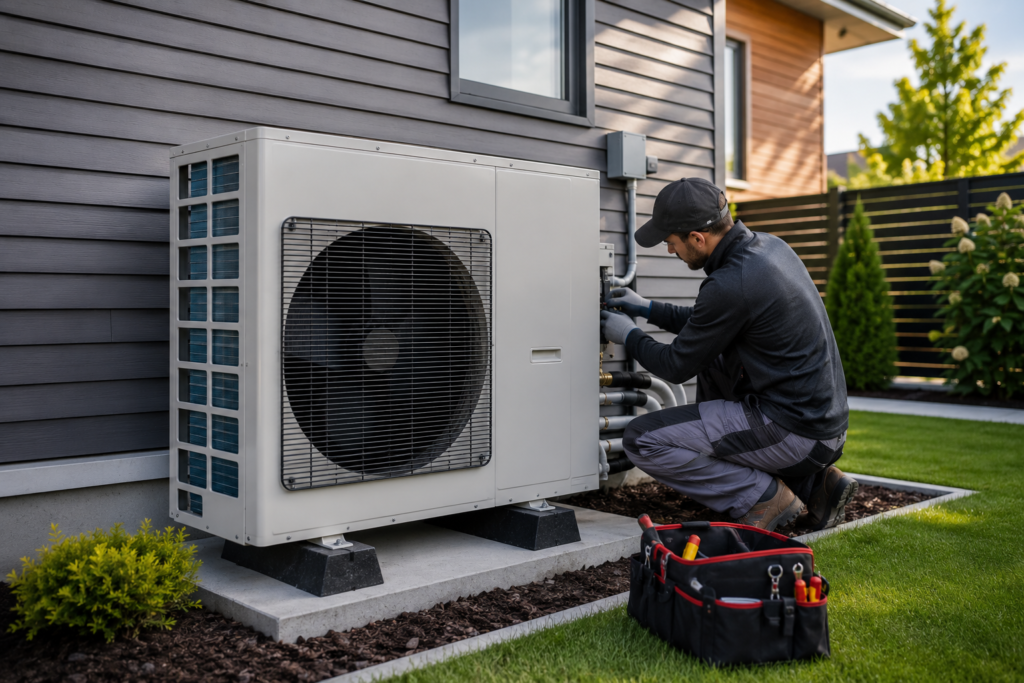
Heat pump replacement restores reliable heating and cooling when aging equipment starts requiring repeated repairs or struggles to maintain indoor temperatures. A replacement project includes more than swapping the outdoor unit. System sizing, indoor equipment, ductwork, electrical capacity, controls, and climate all affect the final installation.

Signs a Heat Pump Needs Replacement

Heat pump age provides a useful starting point, but age alone does not determine replacement. System condition, repair frequency, comfort problems, energy consumption, and component failures provide stronger evidence.

Homeowners should evaluate several symptoms together before deciding between another repair and complete replacement. Homeowners can also review the Heat Pump Services page for installation and replacement information.

Heat Pump Age and Service Life

Residential heat pumps commonly provide around 10 to 15 years of service. Equipment can last longer when installation quality, maintenance, airflow, and operating conditions remain favorable.

Climate also affects service life. Florida equipment accumulates long cooling hours, while Ohio and parts of Washington place greater winter heating demand on heat pump systems.

Frequent Repair Calls

One isolated repair rarely justifies complete replacement. Several repairs over consecutive heating or cooling seasons can indicate broader equipment deterioration.

Repeated capacitor, fan, refrigerant, coil, or electrical problems increase ownership costs. Major component failure on an older system can make replacement more practical than continued repair.

Declining Heating and Cooling Performance

An aging heat pump may require longer operating cycles to reach the thermostat setting. Some rooms may remain uncomfortable even while the equipment continues running.

Weak airflow, declining compressor performance, refrigerant problems, duct leakage, or incorrect controls can cause similar symptoms. A technician should identify the actual cause before recommending replacement.

Rising Energy Consumption

Increasing electricity use can indicate longer equipment runtime or reduced heat pump performance. Utility rate changes can also raise bills, so homeowners should compare usage patterns when possible.

An HVAC inspection can check refrigerant performance, airflow, electrical operation, coils, duct losses, and thermostat settings before attributing higher energy use to equipment age.

Compressor and Coil Problems

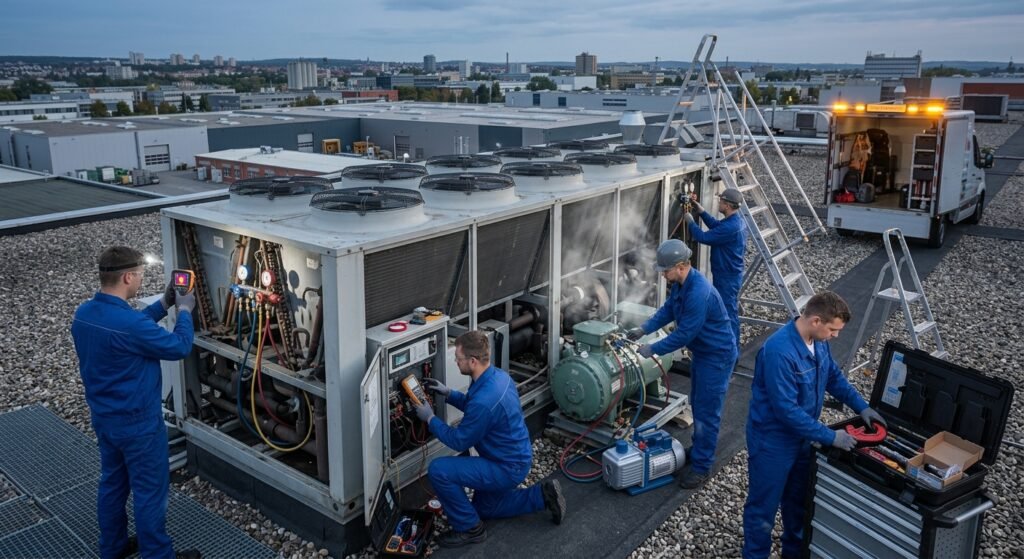
Compressor and coil problems deserve closer attention because both components can represent substantial repair work. Replacement becomes more reasonable when expensive component failure occurs late in the system expected service life.

A contractor should compare the repair estimate with equipment age, warranty status, previous repair history, and expected remaining life.

Repeated Refrigerant Leaks

A heat pump should not require repeated refrigerant additions under normal operation. Recurring low refrigerant conditions usually indicate a leak that needs diagnosis.

Multiple coil leaks or difficult refrigerant repairs on aging equipment can make replacement more practical than continued repair.

Heat Pump Replacement Planning and System Selection

A replacement project should begin with a new assessment rather than automatically installing the same equipment capacity as the old system. Home improvements, duct changes, insulation, windows, and previous sizing errors can alter system requirements.

The replacement assessment should consider both heating and cooling performance because heat pumps handle both functions.

Heat Pump Sizing

Heat pump capacity is commonly expressed in tons or BTUs. One ton equals approximately 12,000 BTUs of cooling capacity per hour.

Square footage alone cannot determine the correct size. Insulation, window area, ceiling height, air leakage, building orientation, local climate, and duct condition influence heating and cooling loads.

Load Calculation

A professional load calculation determines how much heating and cooling the property actually requires. Correct sizing supports comfort, humidity control, equipment life, and energy performance.

Oversized systems can cycle too quickly. Undersized systems can run for long periods and struggle during temperature extremes.

Indoor and Outdoor Equipment Matching

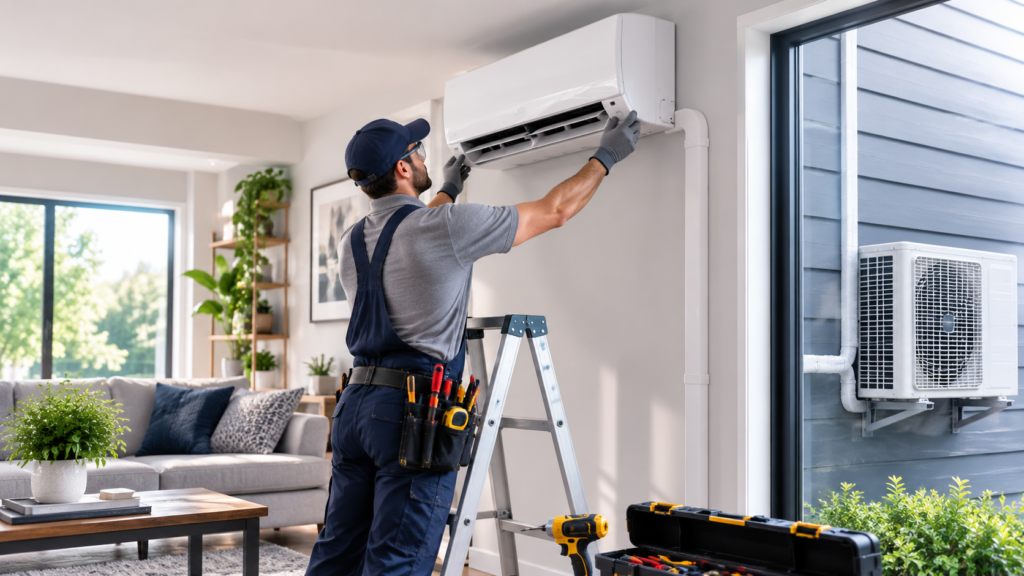
Heat pump replacement often involves both the outdoor unit and compatible indoor equipment. The indoor coil, air handler, blower, thermostat, and controls need to work correctly with the selected outdoor heat pump.

Mixing incompatible components can affect capacity, airflow, controls, and efficiency. Homeowners can review Heat Pump Installation and Heat Pump Replacement services for additional detail.

Ductwork Assessment

Existing ductwork can often remain when duct size, insulation, leakage, and airflow meet the requirements of the replacement system.

Damaged or undersized ducts should receive attention before new equipment begins operation. New heat pump equipment cannot correct significant air distribution problems by itself. Homeowners can review Ducted Heat Pump Installation for additional detail on duct requirements.

Electrical Capacity

Heat pumps require appropriate circuits, breakers, wiring, and disconnects. Some replacement projects can reuse existing electrical infrastructure.

System conversions or higher capacity equipment may require electrical modifications. The contractor should identify required work before installation begins.

Thermostat and Controls

Some replacement heat pumps require compatible thermostats or manufacturer specific controls. Variable capacity systems can depend on advanced controls to manage compressor speed and airflow.

Thermostat compatibility should form part of equipment selection rather than an afterthought during installation.

Heat Pump Replacement Cost and Project Scope

Heat pump replacement cost varies because project scope changes substantially from one property to another. A direct equipment replacement using suitable ducts and electrical connections costs less than a conversion requiring extensive infrastructure changes.

System capacity, equipment configuration, efficiency, labor, local permit requirements, and property access all affect final pricing.

Equipment Capacity

Larger heat pumps generally cost more because higher capacity equipment requires larger compressors, coils, fans, and compatible indoor components.

Correct capacity should come from the property load rather than the size of the previous equipment.

Existing Duct Conditions

Usable existing ductwork can simplify replacement. Significant duct leakage, damaged insulation, inadequate returns, or undersized supply runs can add work.

Some properties need only targeted duct repairs, while others require substantial modifications to support the new equipment.

Electrical Improvements

A standard replacement may reuse existing electrical connections when capacity and condition remain suitable.

Properties converting from another heating system or installing different equipment can require new circuits, wiring, disconnects, or panel work.

Equipment Efficiency and Configuration

Single stage, two stage, and variable capacity heat pumps use different operating designs. Equipment features and efficiency levels affect both equipment price and control requirements.

Homeowners should compare expected performance, climate suitability, and installation requirements instead of selecting equipment only by efficiency rating.

Installation Access

Heat pumps installed in accessible mechanical spaces generally require less labor than equipment located in restricted attics, crawlspaces, rooftops, or tight closets.

Equipment relocation also adds refrigerant, drainage, electrical, and structural work.

Permit Requirements

Mechanical and electrical permit requirements vary between cities and counties. Local inspection requirements can affect scheduling and total project scope.

A written estimate should identify known permit related work before the homeowner approves installation.

What Happens During Heat Pump Replacement?

A typical heat pump replacement can often be completed within one working day when existing infrastructure remains suitable. More involved projects can require two or three days when duct, electrical, equipment location, or system configuration changes.

The replacement process should include removal, installation, testing, and commissioning rather than equipment placement alone.

Heat Pump Replacement Process
Replacement Process

How Heat Pump Replacement Works

Each stage builds on the inspection and equipment selection made before installation day.

  1. Existing System Inspection

    The contractor first evaluates the current heat pump, air handler, ducts, thermostat, refrigerant lines, electrical connections, and drainage to identify what can remain and what needs replacement.

  2. Old Equipment Removal

    Technicians disconnect electrical connections and recover refrigerant before removing the outdoor unit and applicable indoor components without damaging reusable ducts or other infrastructure.

  3. New Heat Pump Installation

    The contractor positions the outdoor unit on a stable base with adequate airflow and service clearance, then connects indoor equipment to the home duct distribution system.

  4. Refrigerant and Electrical Setup

    Technicians complete required refrigerant procedures and verify system operating conditions, along with appropriate voltage, breaker protection, disconnects, and equipment wiring.

  5. Airflow Setup

    The blower must deliver enough air across the indoor coil and through the duct system. Technicians adjust blower settings and identify obvious duct restrictions during commissioning.

  6. Heating and Cooling Testing

    Commissioning should include both operating modes when conditions allow, verifying thermostat response, equipment startup, airflow, temperature changes, drainage, and electrical operation.

  7. Final Homeowner Walkthrough

    The final walkthrough explains thermostat operation, filter requirements, basic maintenance, and any equipment features that differ from the previous system.

Heat Pump Replacement by State

Heat pump replacement requirements change by climate. HVAC Reliable Pros targets four markets with very different heating, cooling, humidity, and equipment demands. The replacement system should reflect local operating conditions rather than using the same recommendation across every state.

California

California continues moving toward heat pump based heating and cooling, particularly in residential replacement and electrification projects. Existing homes create different installation challenges than new construction because older properties can require ductwork or electrical changes. Coastal California, the Central Valley, inland Southern California, and mountain areas also have different heating and cooling loads.

Florida

Florida creates one of the strongest heat pump use cases because homes experience long cooling seasons and relatively limited winter heating demand. Cooling performance and humidity control deserve equal attention during equipment selection. Oversized equipment can satisfy the thermostat quickly while providing poor moisture removal.

Ohio

Ohio requires heat pump equipment that can handle humid summers and substantially colder winter conditions. Low temperature heating capacity becomes more important than in Florida. Cold climate heat pumps and dual fuel configurations can suit different Ohio properties.

Washington

Washington has strong demand for both ducted and ductless heat pump systems, but western and eastern parts of the state create different operating requirements. Seattle, Tacoma, Bellevue, Everett, and Olympia generally experience milder winters than Spokane and many inland communities.

Climate affects compressor capacity, defrost operation, supplemental heating needs, humidity control, annual operating hours, and system sizing. A local HVAC contractor should evaluate actual property conditions instead of recommending equipment based only on state averages.

Repair vs Replacement Decision

Repair remains practical when equipment is relatively young, overall condition remains good, and the failure involves an isolated component.

Replacement becomes more attractive when system age, expensive repairs, repeated failures, comfort problems, and rising operating costs appear together.

Getting a Local Heat Pump Estimate

A useful replacement estimate should identify the selected equipment, capacity, indoor and outdoor components, labor scope, duct changes, electrical work, thermostat requirements, removal, and permit considerations.

Homeowners should compare complete project scope rather than equipment price alone. Homeowners can also review HVAC Financing options before scheduling a replacement.

Our Services

Explore HVAC Reliable Pros Heating Services

Compare our available heat pump installation, replacement, and ductless services.

Heat Pump Services

Heat pump services provide efficient heating and cooling from one HVAC system. HVAC Reliable Pros connects homeowners with qualified HVAC…

Learn More
FAQ

Frequently Asked Questions

How do I know when my heat pump needs replacement?

Frequent repairs, declining heating or cooling, repeated refrigerant leaks, rising energy consumption, major component failure, and equipment age around 10 to 15 years can justify a replacement assessment.

How long does a heat pump last?

Many residential heat pumps provide around 10 to 15 years of service. Climate, maintenance, installation quality, airflow, and annual operating hours affect actual lifespan.

How long does heat pump replacement take?

A straightforward replacement can often finish within one working day. Duct modifications, electrical upgrades, equipment relocation, or system conversions can extend the project to two or three days.

Can I replace only the outdoor heat pump?

Component replacement depends on equipment compatibility and system condition. Indoor coils, air handlers, controls, and outdoor equipment need compatible capacities and operating requirements.

Can a new heat pump use existing ductwork?

Yes. Existing ducts can remain when duct size, airflow, insulation, and physical condition support the replacement equipment.

Should I repair or replace a 15 year old heat pump?

Replacement deserves serious consideration when a 15 year old heat pump requires an expensive repair or has a history of recurring problems. A minor isolated repair can still remain practical when the rest of the system performs well.

Do heat pumps work in Ohio and Washington winters?

Yes. Modern heat pumps can provide heating in cold conditions, but low temperature capacity varies by system. Equipment selection should reflect the local winter design conditions and property heating load.

What size heat pump do I need?

A professional load calculation should determine heat pump capacity. Square footage alone cannot account for insulation, windows, air leakage, climate, ceiling height, and property orientation.

Need a Heat Pump Replacement Estimate?

Visit HVACReliablePros.com or call (866) 280 1324 for a free estimate.

  • Replace aging or unreliable heat pump equipment
  • Match new system capacity to the home actual heating and cooling load
  • Check ducts, electrical service, airflow, and controls before installation
Get a Free Estimate

Leave a Reply

Your email address will not be published. Required fields are marked *