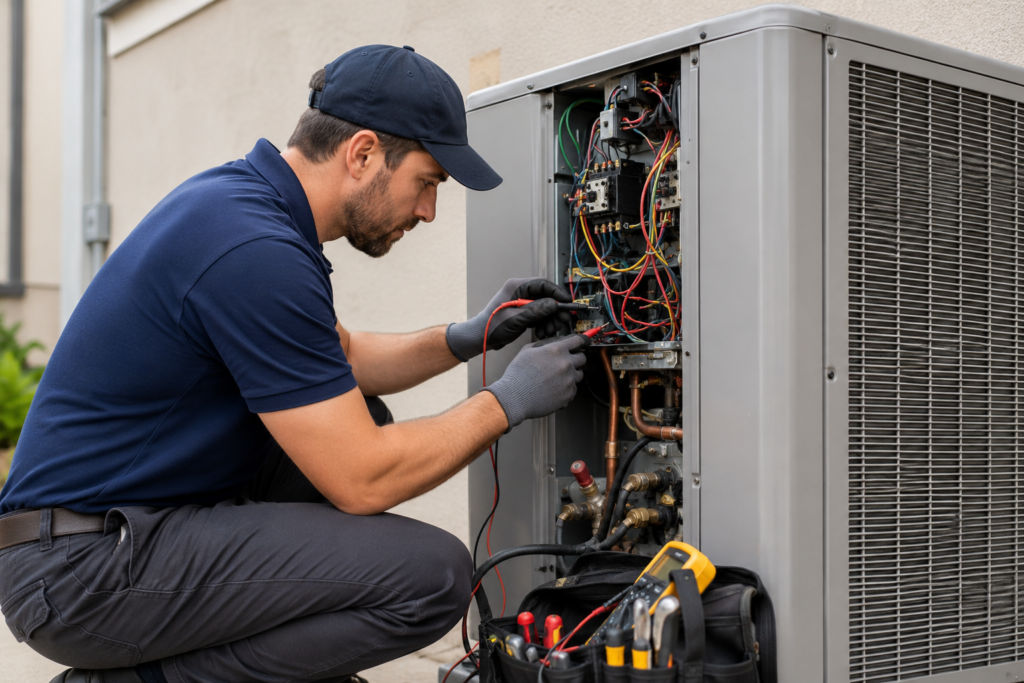
Ductless Heat Pumps

Ductless Heat Pump Systems

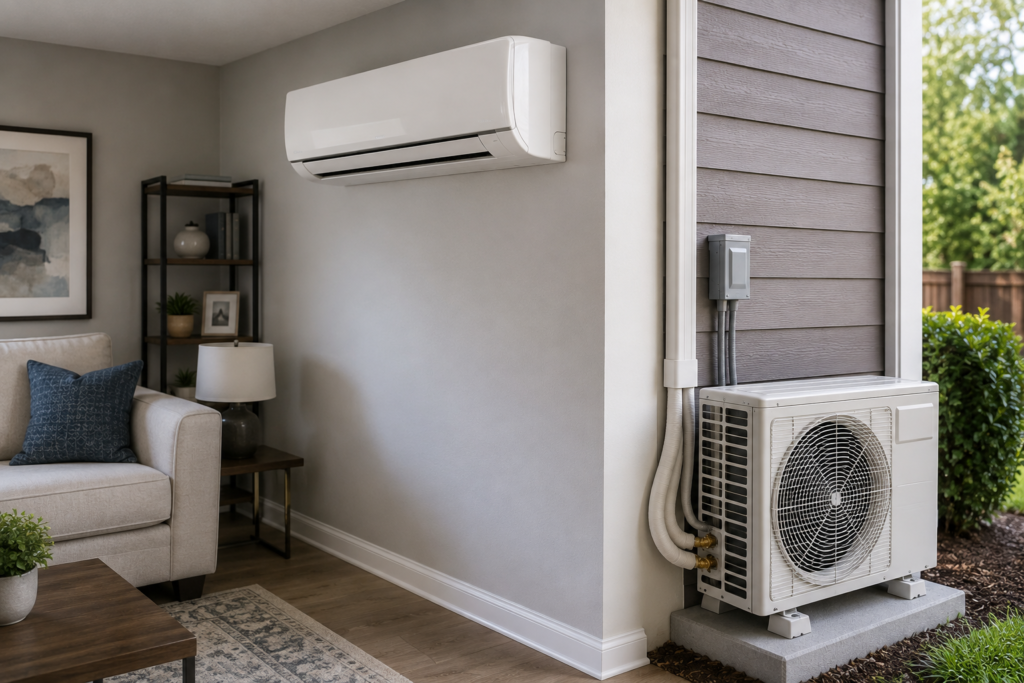
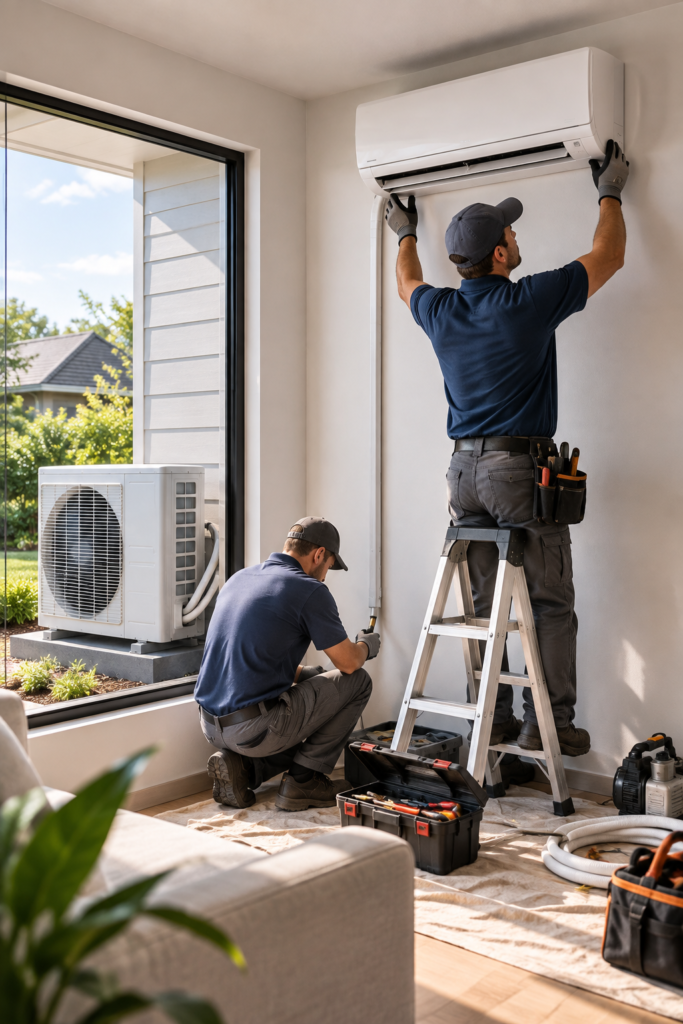
A ductless heat pump provides both heating and cooling through indoor units connected to outdoor equipment, with no traditional ductwork required.

Homes without central ductwork can make conventional heating and cooling installation difficult. Room additions, converted garages, older homes, and spaces with uneven temperatures can also need targeted heating and cooling without extending an existing duct system.

A ductless heat pump provides both heating and cooling through indoor units connected to outdoor heat pump equipment. HVAC Reliable Pros evaluates room loads, indoor unit locations, outdoor equipment, refrigerant routes, electrical requirements, drainage, and controls before defining a ductless system. Single zone and multi zone configurations can serve different property requirements.

What Is a Ductless Heat Pump?

A ductless heat pump transfers heat between indoor and outdoor environments without using conventional supply and return ducts. A typical system includes an outdoor heat pump, one or more indoor units, refrigerant tubing, condensate drainage, electrical connections, control wiring, and a thermostat or equipment controls.

During cooling operation, the refrigerant circuit transfers heat from indoor spaces outdoors. During heating operation, the system reverses the refrigerant cycle and transfers available outdoor heat into the conditioned space. The indoor unit distributes conditioned air directly into the room or zone.
Where Do Ductless Heat Pumps Work Best?

Ductless systems can fit properties where conventional ductwork creates unnecessary construction or cannot reach specific spaces effectively. Common applications include homes without existing ductwork, home additions, converted garages, finished basements, attic conversions, workshops, guest rooms, rooms with uneven temperatures, older homes, and separate living areas.

Ductless equipment can also provide independent temperature control for selected zones. The contractor calculates the heating and cooling requirements of each conditioned area before selecting equipment.

Single Zone Ductless Heat Pumps

A single zone system connects one indoor unit to one outdoor unit. The configuration works well when one defined space needs heating and cooling. For example, a converted garage used as a home office can use a dedicated ductless heat pump rather than extending central ductwork from the main house.

Single zone equipment allows the contractor to size the system around the specific room or area. The installation still requires suitable outdoor placement, refrigerant routing, drainage, electrical connections, and indoor unit positioning.

Multi Zone Ductless Heat Pumps

A multi zone system connects several indoor units to compatible outdoor equipment, and each indoor unit serves a defined area. For example, one outdoor system can connect to indoor units serving bedrooms, living areas, or separate floors when equipment specifications support the configuration.

Multi zone systems require careful sizing. The contractor must consider individual zone loads and the combined demand placed on the outdoor equipment, since adding indoor units without calculating zone requirements can create equipment capacity problems.

How Many Ductless Zones Does a Home Need?

The required number of zones depends on the property layout and comfort requirements. One indoor unit does not automatically serve every connected room.

Walls, closed doors, floor levels, room orientation, windows, and building layout affect air distribution. An open living and dining area can sometimes function as one zone, while several closed bedrooms can require separate planning. The contractor evaluates room by room heating and cooling requirements before deciding how many indoor units the property needs.

Ductless Heat Pump Sizing

Correct sizing starts with heating and cooling load calculations. Floor area provides only one input: windows, insulation, ceiling height, orientation, air leakage, occupancy, local climate, and room use also affect required capacity.

Heat pump capacity commonly appears in BTUs per hour. 9,000 BTUs per hour equals approximately 0.75 nominal ton, 12,000 BTUs per hour equals approximately 1 nominal ton, 18,000 BTUs per hour equals approximately 1.5 nominal tons, 24,000 BTUs per hour equals approximately 2 nominal tons, and 36,000 BTUs per hour equals approximately 3 nominal tons. The contractor selects equipment from calculated loads rather than floor area estimates alone.

Indoor Unit Placement

Indoor unit location affects comfort and air distribution. A wall mounted indoor unit needs suitable clearance and a position that allows conditioned air to reach the intended zone.

Furniture, tall cabinets, walls, doors, and room geometry can restrict airflow. The location also affects refrigerant tubing and condensate routing. A visually convenient location does not always provide the best air distribution, so the contractor considers both system performance and installation requirements before selecting indoor unit positions.

Outdoor Unit Placement

Outdoor heat pump equipment needs suitable space for airflow and service access. The contractor considers manufacturer clearances, airflow, service access, refrigerant line routing, drainage conditions, snow conditions where applicable, property layout, and equipment mounting.

Restricted airflow around outdoor equipment can affect operation. The installation location supports both equipment performance and future service access.

Refrigerant Lines for Ductless Systems

Refrigerant tubing connects each indoor unit to compatible outdoor equipment. The contractor routes tubing according to equipment requirements and property conditions.

Multi zone systems can require several refrigerant connections. Line length, elevation differences, wall penetrations, equipment locations, and manufacturer limits affect installation planning. The contractor determines refrigerant routes before placing indoor and outdoor units, since a shorter route does not automatically provide the best overall installation if the selected location creates poor indoor air distribution.

Condensate Drainage

Ductless indoor units remove moisture from indoor air during cooling operation, and the resulting condensate needs a suitable drainage route. Gravity drainage can work when the installation provides the required slope and discharge location, while other installations require a condensate pump.

Poor drainage planning can create water problems around the indoor unit. The contractor includes condensate routing within the installation plan rather than treating drainage as an afterthought.

Electrical Requirements

Ductless heat pumps require electrical infrastructure that matches equipment specifications. The contractor evaluates circuits, breakers, disconnects, wiring, and available electrical capacity.

A multi zone system can have different electrical requirements from a small single zone system. Existing electrical infrastructure can remain when the configuration supports the selected equipment, and required electrical work appears in the project scope before installation begins.

Ductless Heat Pump Efficiency

Ductless heat pumps carry efficiency ratings for heating and cooling. SEER2 measures seasonal cooling efficiency under standardized test conditions, while HSPF2 measures seasonal heating efficiency under standardized test conditions. Higher values represent greater efficiency under the applicable test procedure.

Equipment efficiency represents only one selection factor. The contractor also evaluates capacity, low temperature performance, zone requirements, installation cost, climate, and expected operation. Homeowners comparing a whole home configuration can also review our heat pump installation service.

Ductless Heat Pump Maintenance

Regular maintenance helps a ductless heat pump maintain airflow, heating performance, and cooling performance. Homeowners should clean or replace washable filters according to manufacturer instructions and keep indoor unit air openings free from dust and obstructions.

Outdoor equipment also needs clear airflow. Leaves, vegetation, dirt, and other debris should not block the outdoor coil or required equipment clearances. Professional maintenance can include checking indoor and outdoor coils, condensate drainage, electrical connections, refrigerant system operation, controls, and overall heating and cooling performance. Maintenance requirements can vary by equipment model, so homeowners should also follow the manufacturer’s recommended service schedule.

Do Ductless Heat Pumps Work in Cold Weather?

Yes. Many ductless heat pumps provide heating during cold weather, but available heating capacity varies by equipment and outdoor temperature. Cold climate models can maintain more heating capacity at lower outdoor temperatures than conventional designs.

A contractor working in a colder market compares manufacturer heating performance data with the calculated heating load. Some properties can require supplemental heating during demanding winter conditions, so equipment selection reflects actual local conditions rather than a general assumption about all heat pumps.

Ductless Heat Pump Versus Central HVAC

A central HVAC system distributes conditioned air through ductwork. A ductless heat pump delivers conditioned air directly from individual indoor units.

Central systems can fit homes with suitable existing ducts and homeowners who prefer centralized air distribution, such as our central air installation service. Ductless equipment can fit homes without ducts or properties requiring independent zones. Neither configuration provides the best solution for every home. Building layout, existing infrastructure, heating and cooling loads, installation requirements, and homeowner preferences guide system selection.

How It Works

Ductless Heat Pump Installation Process

A professional installation follows several stages from assessment through startup testing.

  1. Property and Zone Assessment

    The contractor identifies spaces that need heating and cooling and evaluates building conditions.

  2. Load Calculation

    The contractor calculates heating and cooling requirements for each planned zone.

  3. Equipment Selection

    The contractor selects compatible indoor and outdoor equipment based on calculated loads and climate requirements.

  4. Placement Planning

    The contractor determines indoor unit locations, outdoor equipment placement, refrigerant routes, drainage, and electrical requirements.

  5. Equipment Installation

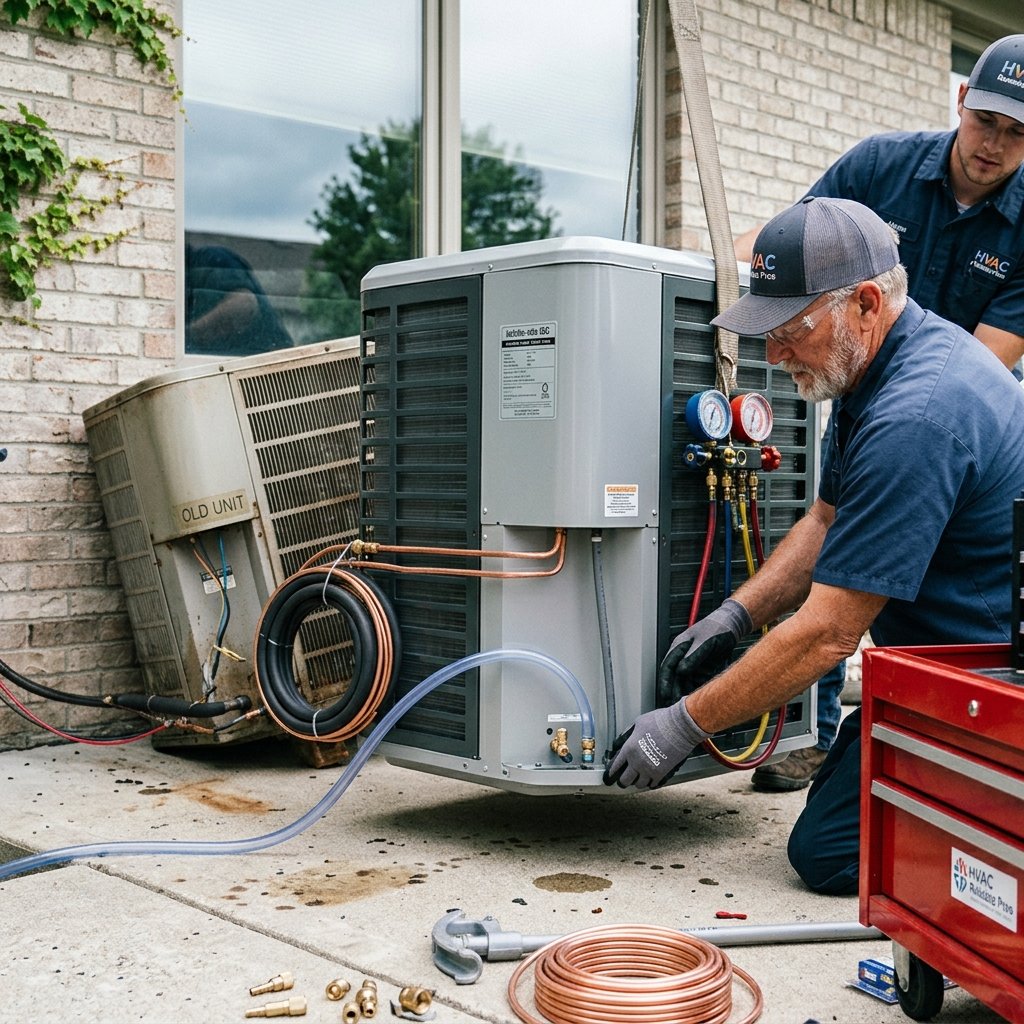
    The installation crew mounts the equipment and completes refrigerant, drainage, electrical, and control connections.

  6. Startup and Testing

    The technician checks heating, cooling, controls, drainage, indoor airflow, and applicable operating conditions.

How Much Does a Ductless Heat Pump Cost?

Ductless heat pump installation can cost approximately $3,000 to $10,000 or more, depending on system configuration and the number of zones. A simple single zone installation generally costs less than a multi zone whole home project.

Several factors affect total cost, including the number of indoor units, equipment capacity, heating and cooling efficiency, refrigerant line lengths, electrical requirements, condensate drainage, equipment access, indoor unit style, outdoor equipment, and labor. Multi zone projects can exceed the general range when several indoor units and additional installation work expand the scope. Homeowners can also review our mini split installers near me guide for local installation planning.

Real World Ductless Heat Pump Example

Consider a 1,600 square foot older home in California without conventional central ductwork. The homeowner wants heating and cooling for an open living area and three bedrooms.

A room by room load assessment identifies different requirements across the property. The living area needs more capacity because of floor area, windows, and solar exposure, while the bedrooms require smaller individual loads.

The contractor plans a multi zone ductless configuration using indoor units selected for the calculated room requirements and compatible outdoor equipment. The installation plan identifies indoor unit positions, refrigerant routes, electrical connections, and condensate drainage before work begins. The finished configuration provides independent zone control without constructing a complete conventional duct network.

Ductless Heat Pump Versus Extending Existing Ductwork

Extending central ducts can make sense when an existing HVAC system has enough capacity and the property provides a practical duct route. A ductless heat pump can make more sense when extending ducts requires substantial construction or when the new space needs independent temperature control.

For example, a new room addition can place additional load on an existing central system. The contractor determines whether existing equipment can support the added load before extending ductwork. Ductless equipment can provide dedicated capacity when the existing system cannot support the additional space.

Areas We Serve

HVAC Reliable Pros provides ductless heat pump services across available service areas in California, Florida, Ohio, and Washington. Homeowners can request single zone and multi zone systems for homes, additions, converted spaces, and properties without central ductwork.

Service availability can vary by city, county, and ZIP code. HVAC Reliable Pros evaluates zone loads, equipment placement, electrical requirements, refrigerant routes, and drainage before defining the installation scope. Call (866) 280 1324 to confirm service availability and request a free estimate. Homeowners replacing an existing heat pump can also review our heat pump replacement service.

Our Services

Explore HVAC Reliable Pros Heating and Cooling Services

Compare our available heating and cooling installation and replacement services.

FAQ

Frequently Asked Questions About Ductless Heat Pumps

How much does a ductless heat pump cost?

Ductless heat pump installation can cost approximately $3,000 to $10,000 or more. The number of indoor zones, equipment capacity, electrical work, refrigerant routes, and installation requirements affect total cost.

Can a ductless heat pump heat and cool a whole house?

Yes, a properly designed multi zone system can serve multiple areas of a home. The contractor calculates individual zone loads and selects compatible indoor and outdoor equipment.

Does a ductless heat pump need ductwork?

No. Ductless systems deliver conditioned air directly through indoor units. Refrigerant tubing connects the indoor units to compatible outdoor heat pump equipment.

How many ductless units does a house need?

The number depends on room layout, individual zone loads, doors, floor levels, windows, insulation, and comfort requirements. A room by room assessment provides better guidance than square footage alone.

Can ductless heat pumps work in cold climates?

Yes. Many models operate at low outdoor temperatures, while cold climate models can maintain more heating capacity during colder conditions. Equipment performance varies by model and temperature.

Is a ductless heat pump better than central air?

The better option depends on the property. Central air can suit homes with usable ductwork, while ductless equipment can fit homes without ducts or areas requiring independent temperature zones.

Get a Ductless Heat Pump Estimate

Correct zone sizing, equipment matching, indoor unit placement, outdoor equipment location, electrical infrastructure, refrigerant routing, drainage, and startup testing all affect system performance. HVAC Reliable Pros evaluates the property before defining the ductless configuration.

  • Room by room load calculations for every zone
  • Indoor and outdoor placement planned for airflow and service access
  • Complete startup testing of heating and cooling
Get a Free Estimate

Leave a Reply

Your email address will not be published. Required fields are marked *