Diagnosis Before Replacement
The specific fault gets identified first, so an isolated failure does not lead to an unnecessary full replacement.

A heat pump that struggles to heat or cool the home, requires repeated repairs, or develops compressor or refrigerant problems can make replacement worth considering. HVAC Reliable Pros covers heating and cooling loads, equipment selection, indoor and outdoor component compatibility, refrigerant connections, airflow, electrical infrastructure, controls, drainage, and startup testing.
Heat pump replacement can make sense when equipment condition and repair requirements make continued operation less practical. Common reasons include repeated heating or cooling failures, compressor problems, refrigerant leaks, damaged indoor or outdoor coils, weak heating performance, weak cooling performance, uneven room temperatures, frequent service calls, equipment capacity problems, and incompatible replacement components.
One failed component does not automatically require a complete heat pump replacement. A technician diagnoses the fault and evaluates the condition of the complete system before recommending replacement.
Many residential heat pumps provide approximately 10 to 15 years of service, although actual equipment life varies. Climate, operating hours, installation quality, airflow, maintenance history, equipment design, and environmental conditions can affect service life. Heat pumps operate during both heating and cooling seasons, which can create more annual operating hours than equipment used for only one season.
Age alone should not determine replacement. A serviceable 12 year old heat pump creates a different decision from a similar age system with repeated refrigerant leaks, compressor problems, and declining performance.
Repair can make sense when the technician identifies an isolated problem and the remaining equipment stays serviceable. A failed capacitor, contactor, thermostat component, or another replaceable part can justify repair when the complete system remains in suitable condition.
Replacement becomes more practical when several expensive or recurring problems appear together. Repeated refrigerant leaks, coil deterioration, compressor problems, and poor heating or cooling performance can indicate a larger equipment issue. The contractor compares repair requirements with overall system condition before recommending replacement. If the cause of the problem is not yet clear, our HVAC repair service diagnoses the fault first.
The new heat pump should not automatically match the old equipment capacity. The existing system may have been incorrectly sized, and building changes can also alter heating and cooling requirements. New windows, insulation, air sealing, additions, or layout changes can affect building loads. The contractor calculates both heating and cooling requirements before selecting replacement capacity.
One ton of nominal capacity equals approximately 12,000 BTUs per hour. A nominal 2 ton heat pump represents approximately 24,000 BTUs per hour, a nominal 3 ton heat pump represents approximately 36,000 BTUs per hour, and a nominal 4 ton heat pump represents approximately 48,000 BTUs per hour. The load calculation guides replacement capacity rather than the old equipment label alone.
A larger heat pump does not automatically improve comfort. Oversized equipment can create short operating cycles during lower load conditions, while undersized equipment can struggle when heating or cooling demand exceeds available capacity.
Heating capacity also changes as outdoor temperatures change. For colder climates, the contractor compares manufacturer heating performance with the property’s calculated heating requirements at relevant winter conditions, since cooling tonnage alone cannot confirm suitable winter performance. Equipment selection connects capacity to both the property and local climate.
A split heat pump uses indoor and outdoor components as one system. The outdoor unit contains the compressor and outdoor coil, and indoor equipment contains the indoor coil and blower components. Replacement equipment should form a compatible combination.
Keeping older indoor equipment without verifying compatibility can affect capacity, efficiency, controls, refrigerant requirements, and operation. The contractor verifies equipment matching before deciding which components can remain, since matching tonnage alone does not confirm complete compatibility.
Yes. Existing ductwork can remain when the air distribution system supports required airflow and remains serviceable. The contractor inspects accessible supply ducts, return pathways, connections, and physical condition. Restricted return airflow can limit system performance, and damaged duct connections can lose conditioned air before the air reaches occupied rooms.
A heat pump replacement does not automatically require new ductwork. The contractor can correct documented duct problems while keeping suitable portions of the existing system.
Refrigerant tubing connects indoor and outdoor heat pump equipment. Existing refrigerant lines can sometimes remain when dimensions, physical condition, routing, manufacturer specifications, and replacement equipment requirements support reuse. Corroded, damaged, unsuitable, or incorrectly sized lines can require replacement.
The contractor inspects the line set before defining the project scope. A written estimate identifies whether the project keeps or replaces existing refrigerant tubing.
Replacement heat pumps require electrical infrastructure that matches equipment specifications. The contractor evaluates circuits, breakers, wiring, disconnects, controls, and available electrical capacity. New equipment can have different electrical requirements from the previous heat pump, and auxiliary electric heat can also affect electrical demand when the selected system includes resistance heating.
Existing electrical components can remain when the configuration supports the new equipment. Required electrical changes form part of the replacement plan before installation begins.
An existing thermostat can sometimes remain during heat pump replacement, though the contractor must confirm compatibility with the selected equipment. Single stage, multi stage, variable operation, auxiliary heating, zoning, and communicating equipment can require different controls. A thermostat that cannot control the required heat pump functions can require replacement, and the project estimate identifies required control changes before installation.
Replacement gives homeowners an opportunity to compare current heating and cooling efficiency. SEER2 measures seasonal cooling efficiency under standardized testing conditions, while HSPF2 measures seasonal heating efficiency under standardized testing conditions. Higher ratings represent greater efficiency under the applicable test procedure.
Efficiency should not replace capacity and climate analysis. Before selecting a replacement, the contractor compares equipment cost, capacity, efficiency, local climate, heating requirements, cooling requirements, and expected operation.
Homeowners in colder climates should pay particular attention to heating capacity at low outdoor temperatures. Cold climate heat pump models can maintain more heating capacity at lower temperatures than conventional designs, but performance varies by equipment.
The contractor reviews manufacturer performance data at temperatures relevant to the property. Some system designs also use supplemental heat when the heat pump cannot meet the full heating load, and the replacement plan defines how the home receives heat during demanding winter conditions.
Heat pump replacement commonly costs approximately $4,000 to $8,000 for many residential projects. Larger projects or installations involving additional work can exceed $10,000.
Several factors affect the final price, including heat pump capacity, equipment efficiency, indoor equipment, outdoor equipment, duct modifications, refrigerant lines, electrical work, thermostat controls, auxiliary heating requirements, equipment access, labor, and permit requirements. A straightforward replacement using serviceable existing infrastructure generally requires less work than a project involving ductwork, electrical upgrades, or equipment relocation.
Consider a 1,900 square foot home in Washington with an aging ducted heat pump. The homeowner reports declining winter heating performance and repeated service calls, and inspection identifies deteriorated outdoor equipment and restricted return airflow.
The contractor calculates the home’s heating and cooling loads. The calculation supports equipment near 36,000 BTUs per hour of nominal capacity, equal to a nominal 3 ton system. The existing main duct system remains serviceable, but the return pathway needs correction.
The contractor selects replacement equipment after comparing heating performance with local winter conditions. The project replaces compatible indoor and outdoor components, corrects the documented return problem, completes refrigerant and electrical connections, configures the controls, and performs startup testing. The project addresses both equipment condition and the documented airflow restriction.
Replacing an existing heat pump with another heat pump keeps both heating and cooling functions within one refrigerant based system. Homeowners who want to compare a fresh installation can review our heat pump installation service for equipment options, including ducted, ductless, and cold climate configurations.
Switching to central AC requires another source of heating. A home with a suitable furnace can use central AC for cooling and the furnace for heating, while other properties can continue using a heat pump for both functions. Homeowners considering that route can review our central AC replacement service. Climate, heating demand, existing HVAC infrastructure, electrical capacity, equipment cost, and homeowner goals should guide the decision, and the contractor compares complete system configurations before recommending a change.
HVAC Reliable Pros provides heat pump replacement across available service areas in California, Florida, Ohio, and Washington. Homeowners can request replacement for aging, failing, incorrectly sized, or inefficient heat pump systems. Service availability can vary by city, county, and ZIP code within each state. HVAC Reliable Pros evaluates heating and cooling loads, ductwork, electrical infrastructure, controls, and existing equipment before defining the replacement scope. Call (866) 280 1324 to confirm heat pump replacement availability in your area and request a free estimate.
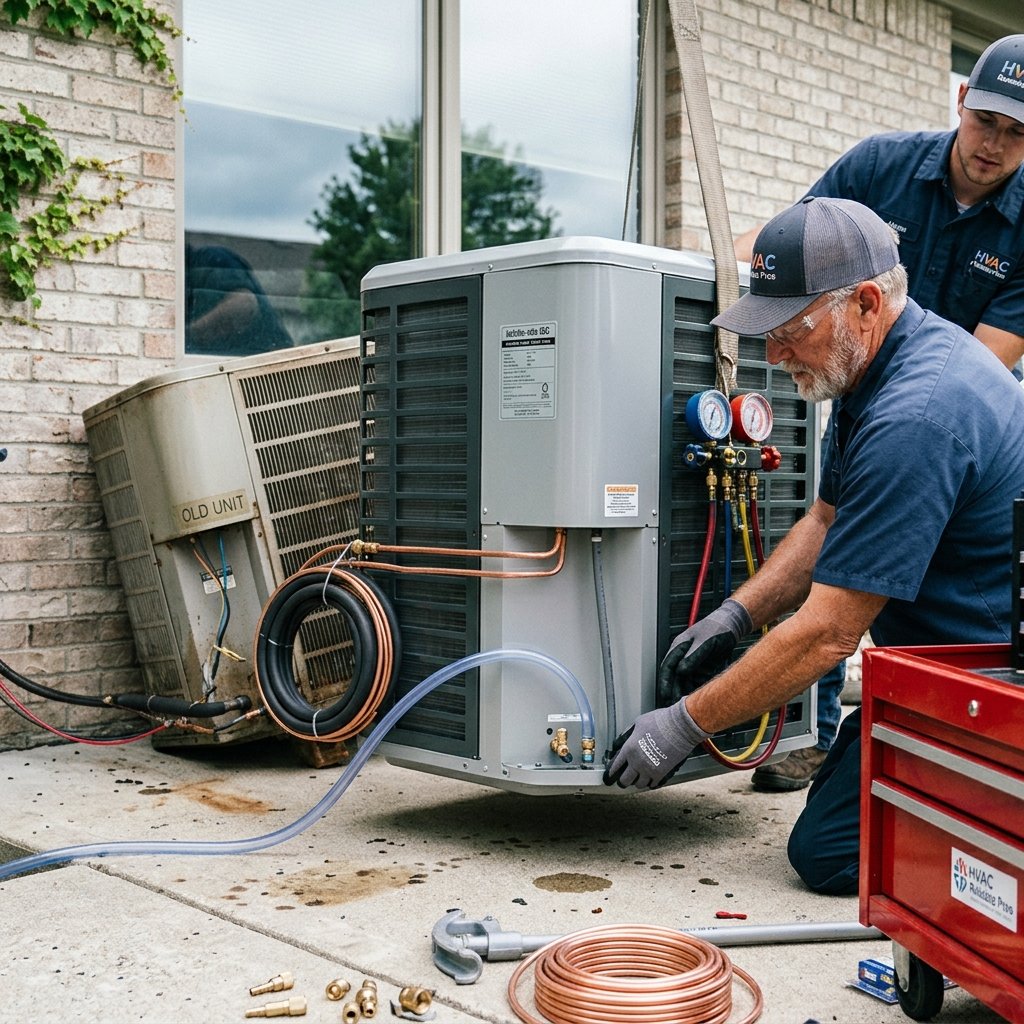
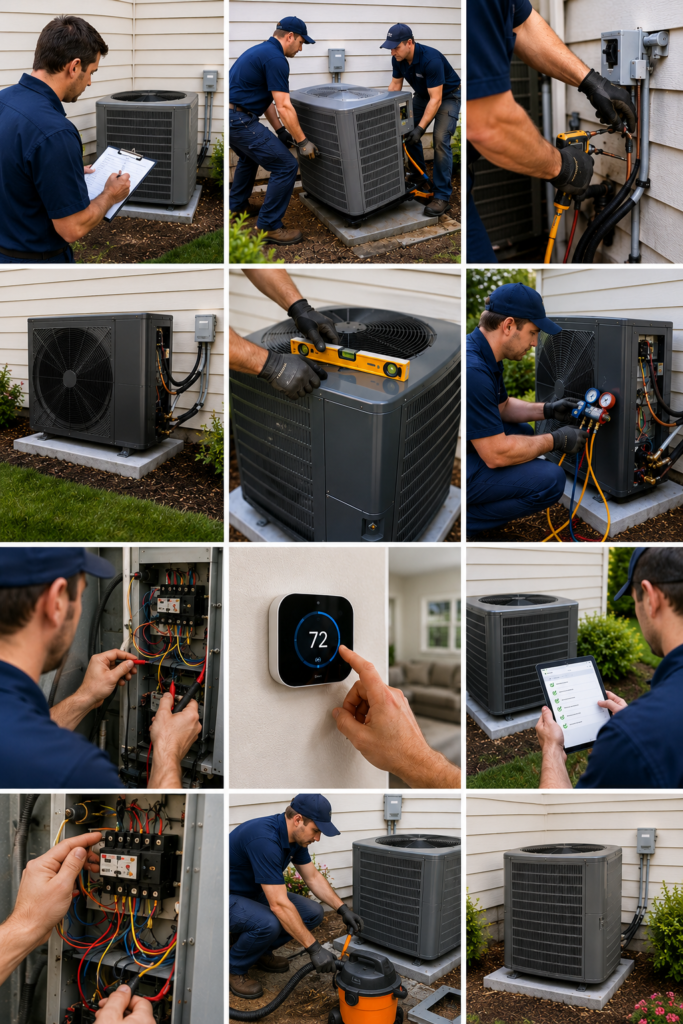
A professional replacement follows several core stages from diagnosis through startup testing.
The contractor evaluates the reason for replacement and checks indoor equipment, outdoor equipment, ductwork, refrigerant lines, electrical infrastructure, drainage, and controls.
The contractor calculates property specific heating and cooling requirements.
The contractor selects compatible equipment based on calculated loads, climate conditions, efficiency, and project requirements.
The installation crew removes the equipment included within the replacement scope.
The crew installs the selected indoor and outdoor components and completes required refrigerant, electrical, drainage, airflow, and control connections.
The technician checks heating operation, cooling operation, airflow, thermostat controls, drainage, and applicable system conditions.
Replacing a failing heat pump takes more than swapping the outdoor unit for a similar one. HVAC Reliable Pros diagnoses the actual fault, checks indoor and outdoor compatibility, and calculates current heating and cooling loads before recommending a replacement scope.
The specific fault gets identified first, so an isolated failure does not lead to an unnecessary full replacement.
Replacement components installed as a verified compatible combination, not a mismatched pair.
Manufacturer heating capacity data compared against local winter conditions before selection.
Heating operation, cooling operation, airflow, and controls checked before the job is considered complete.
Heat pump replacement commonly costs around $4,000 to $8,000 for many residential projects. Ductwork, electrical changes, equipment capacity, controls, and other installation requirements can push larger projects above $10,000.
Many residential heat pumps operate for approximately 10 to 15 years. Climate, operating hours, installation, airflow, maintenance, and equipment condition affect actual service life.
Repair can make sense when the technician identifies one repairable fault and the remaining equipment stays serviceable. Replacement becomes more practical when repeated failures, refrigerant problems, compressor issues, and declining performance occur together.
Yes. Existing ducts can remain when the air distribution system supports required airflow and remains serviceable. The contractor corrects documented restrictions, damaged connections, or return airflow problems.
Not always. An existing thermostat can remain when the thermostat supports the new heat pump configuration. Multi stage, variable, auxiliary heat, zoning, or communicating systems can require different controls.
Not necessarily. The contractor calculates current heating and cooling loads instead of automatically copying the old equipment capacity.
Real feedback from homeowners who trust us with their comfort.


The team was professional from the first estimate through the final walkthrough, and our new system has kept the house comfortable ever since.

Our furnace went out in the middle of winter and they responded quickly with a clear plan and honest pricing.

Reliable, communicative, and thorough- exactly what we needed for our commercial HVAC installation.
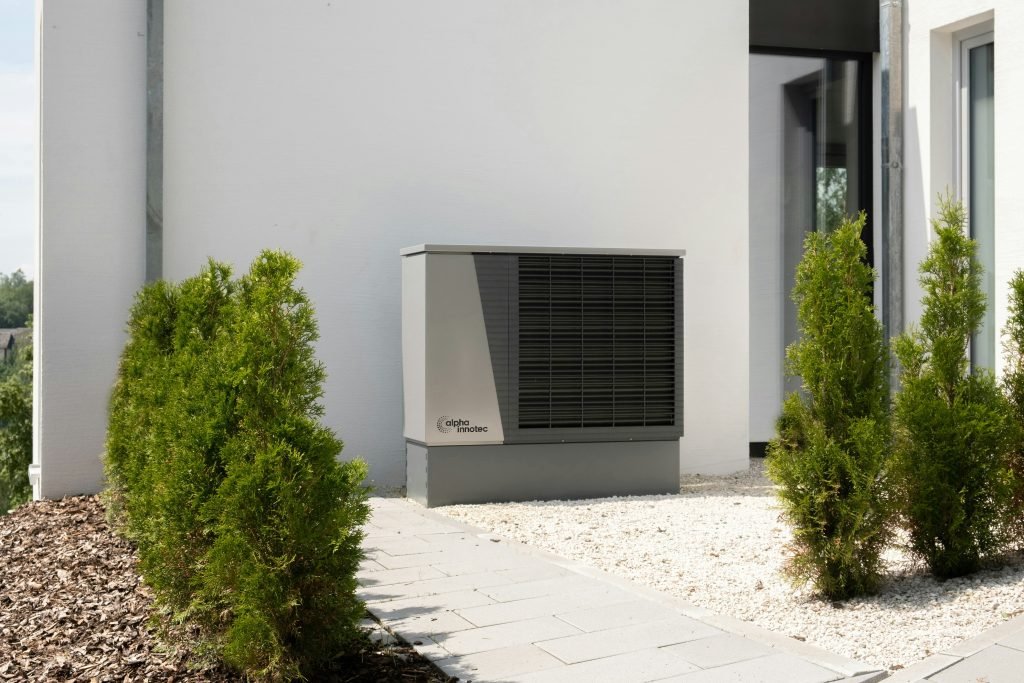
Heat pump services provide efficient heating and cooling from one HVAC system. HVAC Reliable Pros connects homeowners with…
Learn More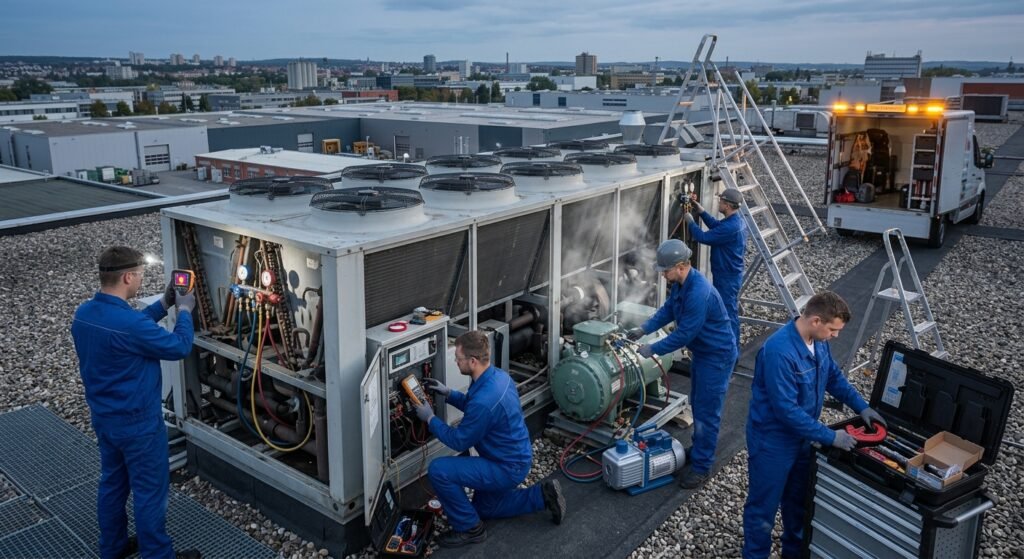 Licensed Commercial Techs
Looking for commercial HVAC installers near you? Get system sizing, equipment selection, ductwork planning, controls, electrical coordination, and…
Learn More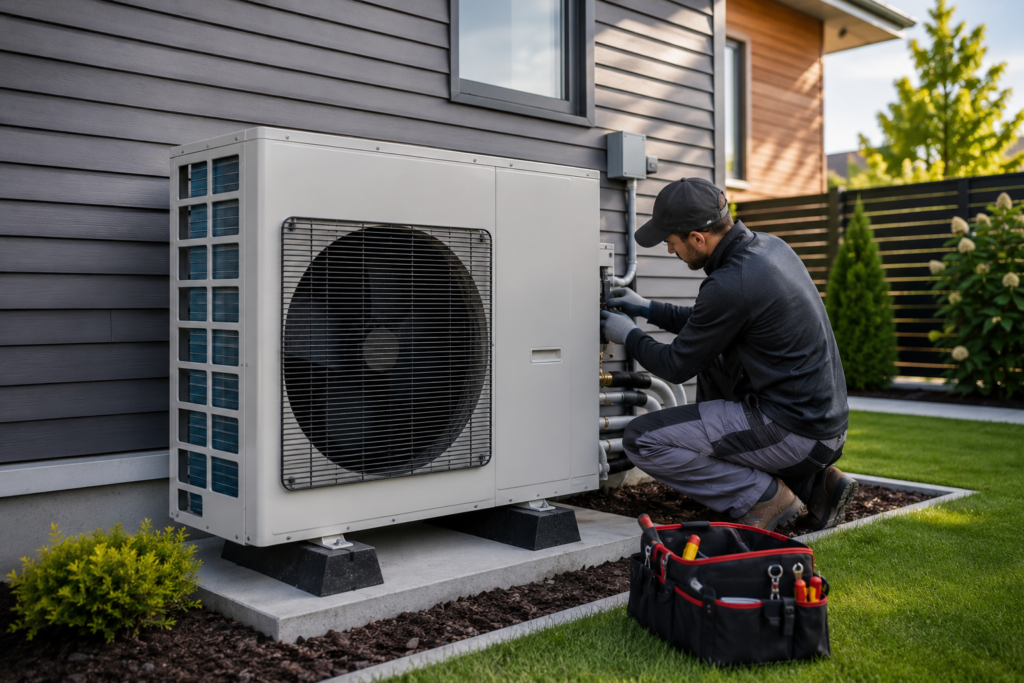 No Ductwork Required
Explore ductless heat pump systems for heating and cooling without traditional ductwork. Learn about installation, sizing, zones, costs,…
Learn More