What Affects the Price?
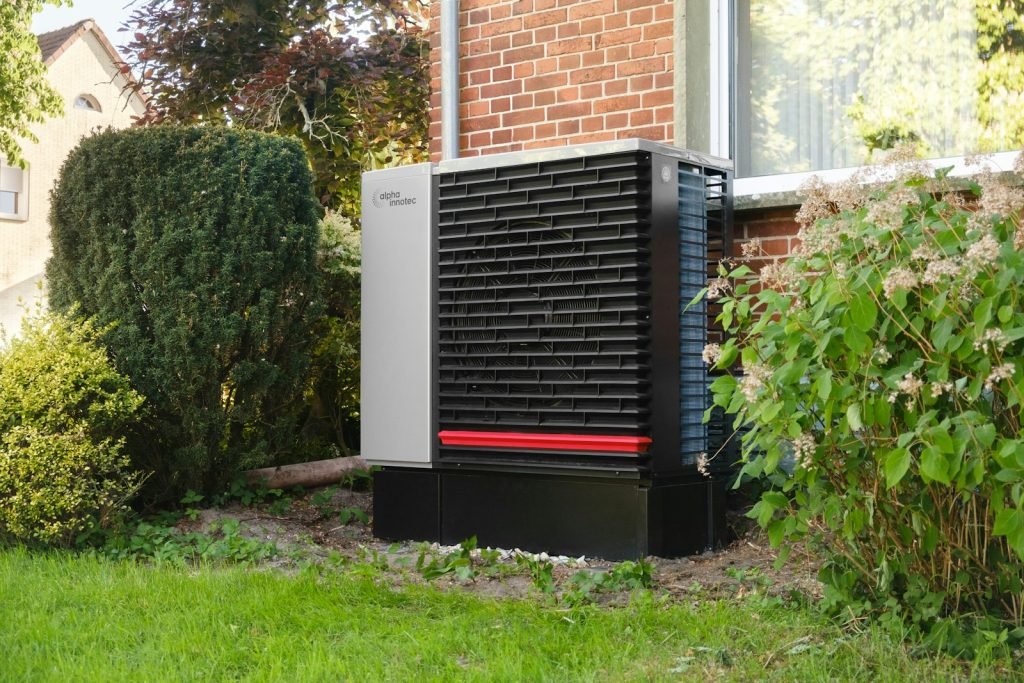
Furnace-and-AC replacement cost depends primarily on equipment capacity, efficiency, manufacturer, ductwork, labor, permits, and installation conditions. A contractor evaluates these factors together because changing one specification can affect other parts of the installation.
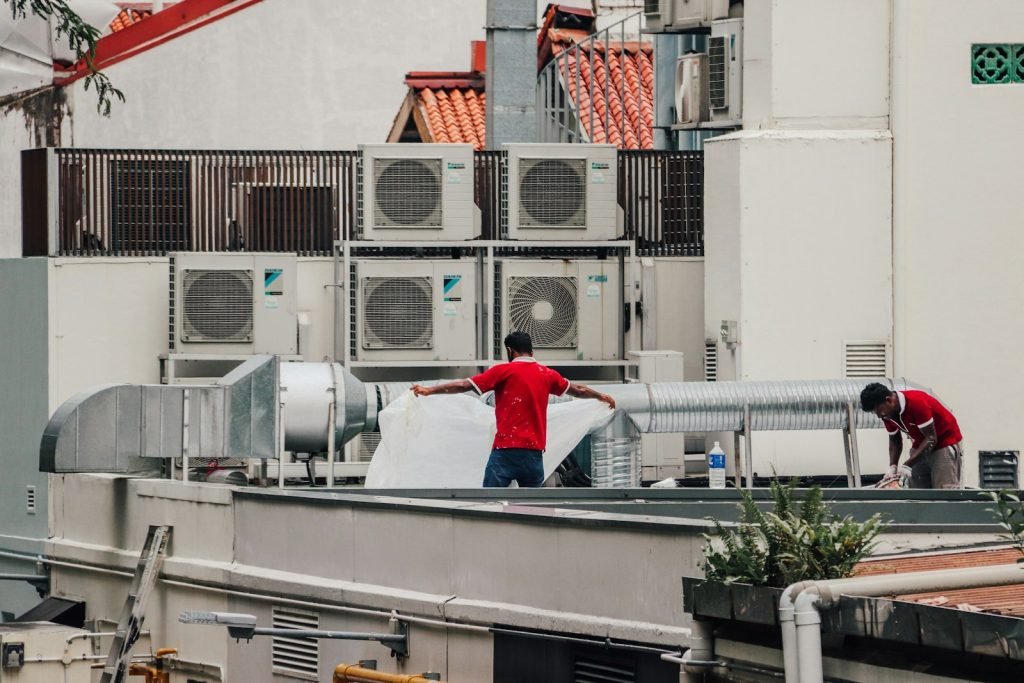
For example, AC capacity determines nominal cooling output, furnace capacity determines heating output, and ductwork determines how effectively conditioned air moves through the home. Equipment location also affects labor when technicians must modify electrical, gas, refrigerant, or duct connections.
The final quotation should separate equipment costs from labor and additional work. This allows homeowners to compare proposals using measurable specifications instead of comparing only the total price.
Unit Size and Tonnage
Central AC capacity uses tons, with one ton representing 12,000 BTU/h of nominal cooling capacity. A 2-ton AC therefore provides 24,000 BTU/h, while a 3-ton AC provides 36,000 BTU/h.
The contractor should use a heating and cooling load calculation to select equipment capacity. The calculation considers insulation, windows, climate, building orientation, air leakage, occupancy, and ductwork.
An oversized AC can cycle more frequently and reduce the time available for humidity removal. An undersized AC can operate for longer periods while struggling to maintain the thermostat setting. Correct sizing therefore affects comfort, operating performance, and equipment cycling.
Efficiency Ratings
SEER2, EER2, and AFUE provide measurable efficiency specifications for HVAC equipment. SEER2 measures seasonal cooling efficiency, EER2 measures cooling performance under specified test conditions, and AFUE measures furnace fuel-conversion efficiency.
A 96% AFUE furnace converts approximately 96% of fuel energy into usable heat. SEER2 provides a seasonal efficiency measurement for the air conditioner, while EER2 provides a cooling-efficiency measurement under defined operating conditions.
Homeowners should compare efficiency ratings with equipment price, expected operating hours, local climate, warranty coverage, and installation cost. The highest available rating does not automatically provide the lowest overall ownership cost.
Ductwork Condition
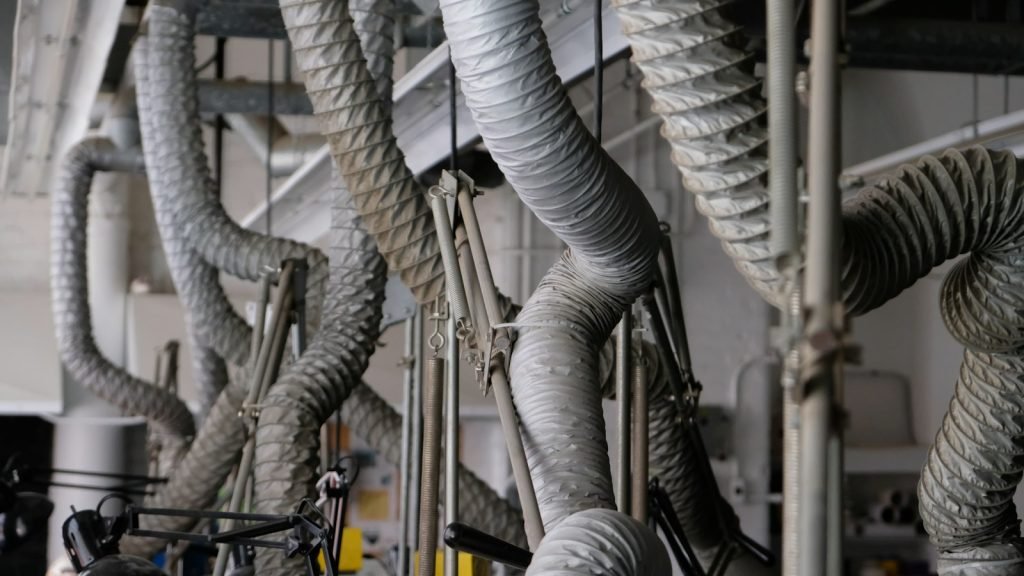
Ductwork distributes conditioned air between HVAC equipment and occupied rooms. Leaking, damaged, disconnected, or undersized ducts can reduce airflow and increase the work required during equipment replacement.
Current ductwork replacement pricing generally falls around $1,400-$5,600, while new ductwork installation can cost approximately $2,400-$6,600. Supply ducts deliver conditioned air to rooms, return ducts carry indoor air back to HVAC equipment, and duct insulation reduces heat transfer through duct surfaces.
A contractor should inspect duct connections, insulation, supply registers, return pathways, and airflow before including ductwork repairs or replacement in the proposal.