Heat Pump Guide

Ducted Heat Pump Installation Explained

Ducted heat pump installation gives a home one central system for both heating and cooling. The system connects an outdoor heat pump to indoor equipment and distributes conditioned air through supply and return ducts.

Ducted Heat Pump Systems and Home Comfort

From the homeowner perspective, a ducted heat pump works much like a traditional central HVAC system. Conditioned air travels through ducts and enters individual rooms through supply registers.

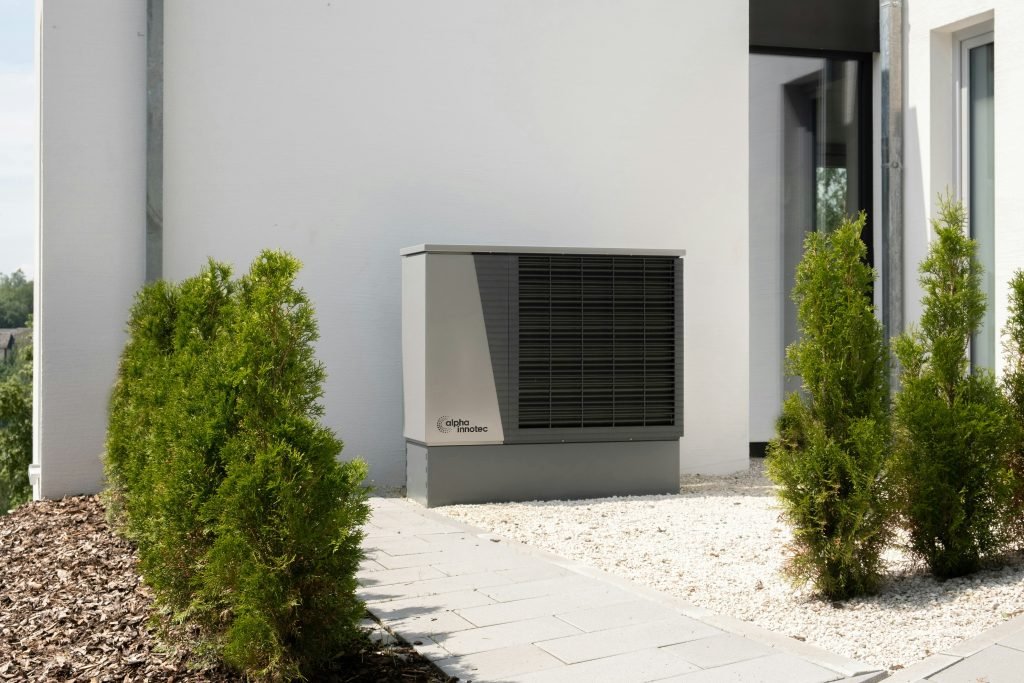
The main difference is how the equipment produces heating. Instead of creating heat through combustion, a heat pump transfers heat between indoor and outdoor air. Homeowners comparing options can review the Heat Pump Services page for installation, replacement, and ductless information.

Central Heating and Cooling Operation

In summer, the heat pump removes heat from indoor air and releases it outdoors. The system operates much like a central air conditioner during cooling mode.

During colder weather, the refrigeration cycle reverses. The system collects available outdoor heat and transfers that heat indoors through the air handler and duct system.

Indoor and Outdoor Components

A typical ducted system includes an outdoor heat pump, indoor air handler or compatible coil, refrigerant lines, thermostat, electrical connections, condensate drainage, and ductwork.

Each component must match the heating and cooling capacity required by the property. Equipment compatibility also affects airflow, controls, and overall system operation.

Whole Home Air Distribution

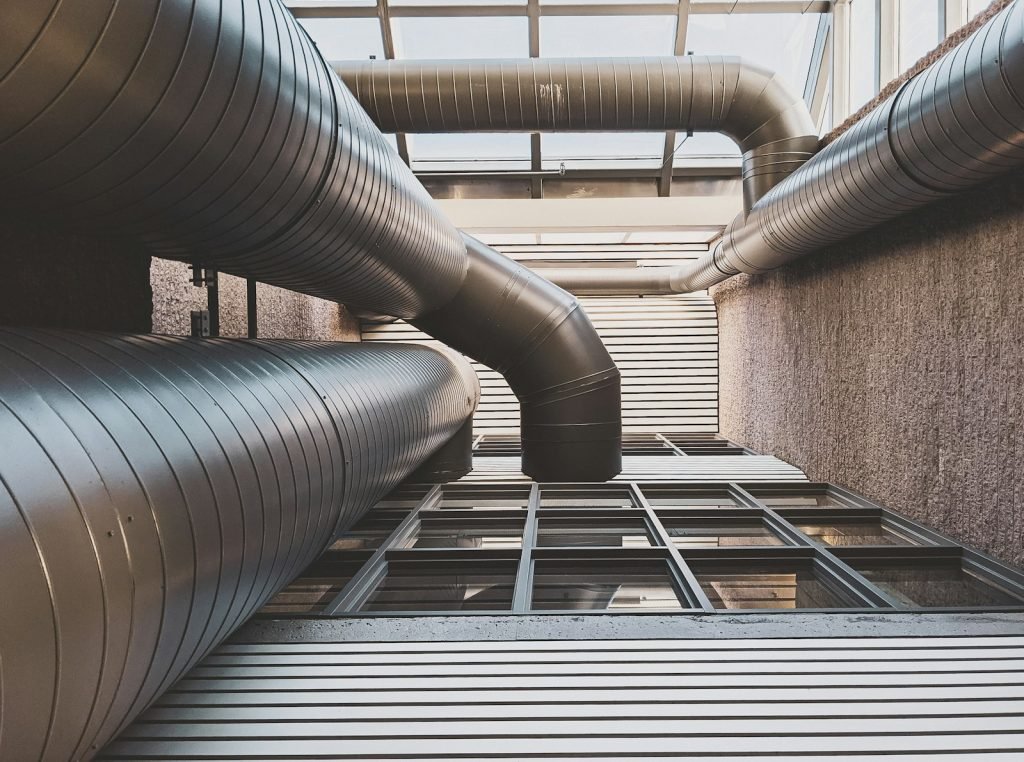
Supply ducts carry heated or cooled air from the air handler into bedrooms, living spaces, kitchens, and other conditioned areas. Return ducts bring indoor air back for another heating or cooling cycle.

Balanced supply and return airflow helps maintain more consistent temperatures throughout the property. Poorly designed ducts can reduce comfort even when the heat pump itself works correctly.

Ducted Heat Pumps vs Central AC

A central air conditioner provides cooling but normally depends on separate heating equipment during winter. A heat pump provides both heating and cooling through the same refrigeration system.

Homes already using central AC may therefore have much of the infrastructure needed for a ducted heat pump conversion. Homeowners can review Heat Pump Installation and Heat Pump Replacement services for additional detail.

Ducted Systems vs Ductless Mini Splits

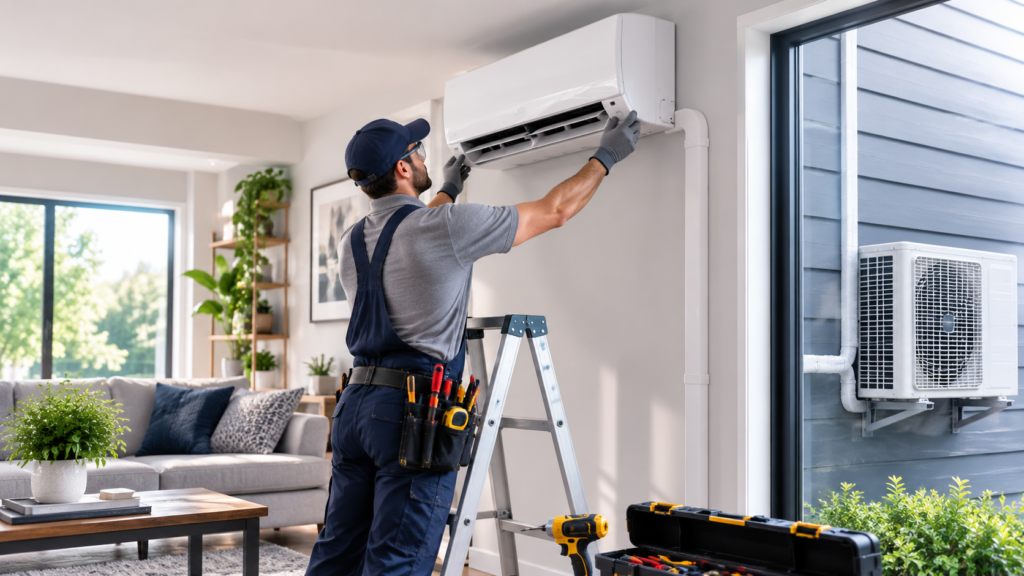
Ductless mini splits distribute conditioned air directly from indoor units mounted in individual zones. Ducted systems use a central air handler and concealed duct network.

Homes with suitable existing ducts often make strong candidates for ducted systems. Properties without ducts may find ductless heat pump installation more practical because major duct construction can be avoided.

Existing Ductwork and Installation Requirements

Existing ductwork can often remain in place during heat pump installation, but contractors should inspect the distribution system before selecting equipment. Duct condition directly affects airflow and system performance.

Installing new equipment on leaking, restricted, or incorrectly sized ducts can create comfort problems that equipment replacement alone cannot solve.

Duct Condition and Air Leakage

Accessible ducts should be inspected for disconnected sections, damaged insulation, crushed sections, loose joints, and visible air leakage.

Leaks can send heated or cooled air into attics, crawlspaces, garages, and other areas instead of occupied rooms. Sealing damaged connections can improve delivered airflow.

Duct Sizing and Airflow

Heat pumps require enough airflow across the indoor coil to operate correctly. Existing ducts must provide sufficient supply and return capacity for the selected equipment.

Undersized ducts can create excessive resistance, airflow noise, weak room delivery, and longer operating cycles. Some systems need duct modifications before installation can be completed properly.

Return Air Capacity

Return ducts are just as important as supply ducts. The system needs enough return air to maintain proper circulation through the indoor equipment.

A contractor may recommend larger return openings or additional return pathways when the existing system cannot move enough air.

Electrical Requirements

Heat pumps operate on electricity and require dedicated electrical circuits sized for the equipment. Installation can involve breakers, disconnects, wiring, and other electrical components.

Some older homes may need electrical improvements before installation. Electrical requirements become particularly important when a property changes from fuel based heating to electric heat pump equipment.

Refrigerant Lines and Drainage

Refrigerant lines connect the indoor and outdoor units. Existing line sets may sometimes remain, but compatibility, size, condition, and installation requirements need evaluation.

The indoor equipment also removes moisture during cooling operation. A correctly installed condensate drain carries that water away from the system.

Ducted Heat Pump Installation Process

Professional installation begins before the new equipment arrives. System sizing, property assessment, duct inspection, and equipment selection determine how well the completed system performs.

A direct equipment replacement can be relatively straightforward, while a complete conversion can require electrical, duct, refrigerant, and structural changes.

How Ducted Heat Pump Installation Works
Installation Process

How Ducted Heat Pump Installation Works

Each stage builds on the home assessment and equipment selection made before installation day.

  1. Load Calculation and System Sizing

    Heat pump capacity is commonly expressed in tons or BTUs. Square footage provides only a starting point. Insulation, window area, ceiling height, air leakage, orientation, and climate all affect the actual heating and cooling load.

  2. Equipment Selection

    Equipment selection should match both summer cooling demand and winter heating requirements. Local climate becomes particularly important when choosing heating capacity.

  3. Outdoor Unit Placement

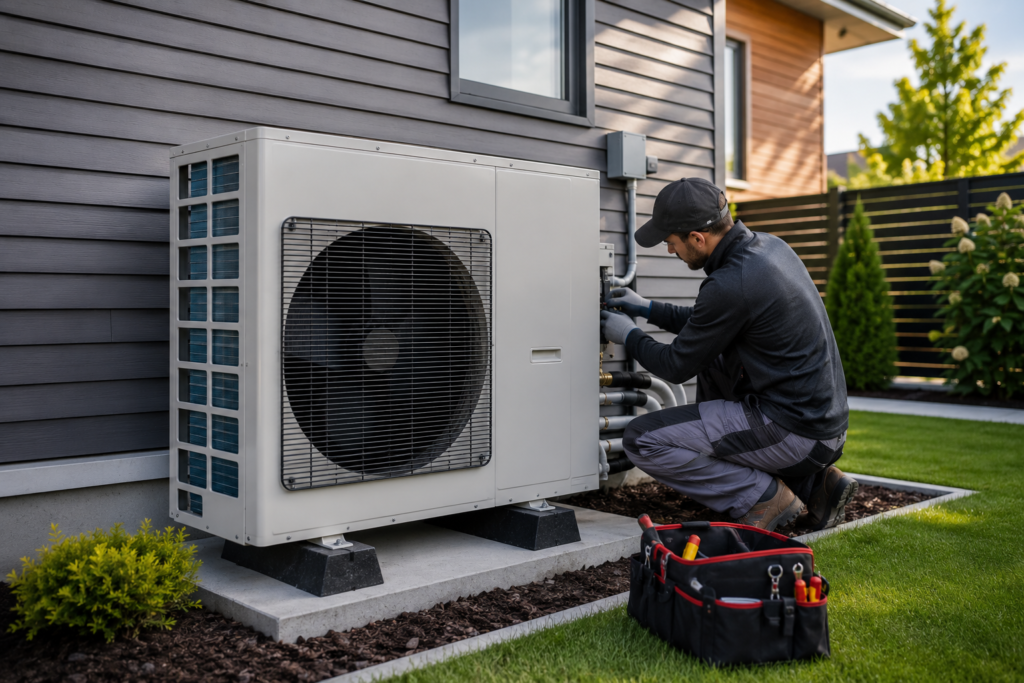
    The outdoor unit needs a stable surface with adequate clearance for airflow and future maintenance, plus consideration for drainage, vegetation, service access, and refrigerant line length.

  4. Indoor Air Handler Installation

    The indoor air handler connects the heat pump to the ductwork. The installation location must provide space for duct connections, filter access, drainage, and electrical connections.

  5. Refrigerant and Electrical Connections

    The installation team connects refrigerant piping between the outdoor and indoor equipment, then wires the heat pump, indoor equipment, thermostat, and disconnects.

  6. Duct Connections

    The air handler connects to the supply and return duct systems. Connections should remain sealed and appropriately sized so conditioned air reaches living spaces.

  7. System Testing and Commissioning

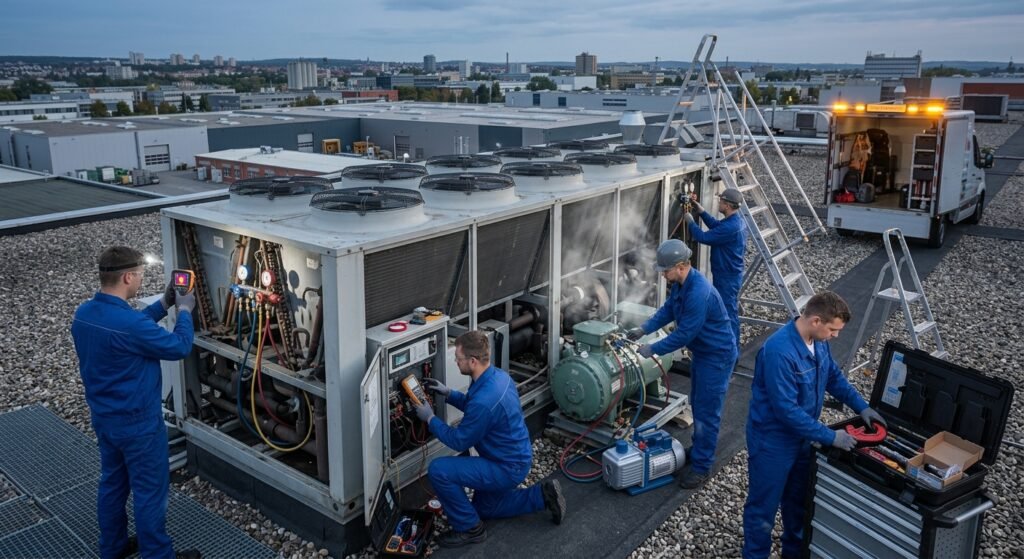
    Technicians check heating, cooling, thermostat response, airflow, drainage, electrical operation, and refrigerant performance to confirm the installation is complete.

Ducted Heat Pump Installation Cost

Residential heat pump installation commonly costs around $3,750 to $6,200, with many straightforward projects averaging close to $4,900. Actual costs depend heavily on equipment and property conditions.

Projects requiring new ductwork, extensive electrical work, equipment relocation, or higher capacity systems can cost considerably more than a direct replacement.

Equipment Size and Capacity

Larger homes generally require greater heating and cooling capacity. Larger equipment normally costs more than lower capacity residential systems.

Correct sizing remains more important than simply choosing the largest available unit. Oversized and undersized equipment can both create performance problems.

Existing Ductwork

Usable existing ducts can reduce installation work. Damaged or incorrectly sized ducts can increase project costs when repairs or modifications become necessary.

Complete duct installation represents a much larger project than connecting new equipment to an existing distribution system.

Electrical Upgrades

Some properties already have adequate electrical capacity for the selected heat pump. Others may require new circuits, breakers, wiring, disconnects, or panel improvements.

An electrical assessment can identify these requirements before installation begins.

Equipment Location

Easy access to both indoor and outdoor equipment can reduce installation complexity. Attic installations, crawlspaces, restricted mechanical rooms, and long refrigerant routes can require additional labor.

Relocating equipment also increases the amount of work compared with placing replacement equipment in existing locations.

Efficiency and Equipment Features

Equipment efficiency, compressor technology, controls, noise levels, and advanced operating features affect purchase cost.

Higher equipment cost does not automatically make a system appropriate for every property. Capacity and compatibility should come before optional features.

Permit and Labor Requirements

Installation permits and inspection requirements vary by location. Labor rates also differ between California, Florida, Ohio, and Washington.

A property specific estimate provides a more reliable project price than a national average alone.

Performance, Timeline, and System Suitability

Ducted heat pumps work especially well for homes that already have central air distribution and need both heating and cooling. Performance depends on climate, equipment selection, duct condition, insulation, and installation quality.

Homeowners should compare the complete HVAC configuration rather than judging the heat pump only by equipment price.

Installation Timeline

A straightforward replacement using existing ducts can often be completed within one working day. More complicated installations can require two or three days.

New ductwork, electrical upgrades, equipment relocation, difficult access, and system conversions can extend the project timeline.

Whole Home Heating and Cooling

A correctly sized ducted heat pump can condition an entire home through one central distribution system.

Room comfort still depends on balanced airflow. Bedrooms or living areas receiving too little supply air may require duct adjustments even after new equipment is installed.

Cold Weather Performance

Modern heat pumps can provide heating during cold weather, but heating capacity changes as outdoor temperatures fall.

Equipment selection should account for local winter conditions. Colder climates may require cold climate models or supplemental heating for periods of very low outdoor temperatures.

Humidity Control

Cooling operation removes both heat and moisture from indoor air. Correct system sizing helps provide enough runtime for effective moisture removal.

This consideration becomes particularly important in Florida, where high outdoor humidity creates substantial indoor moisture loads.

Energy Use

Heat pumps move heat rather than generating all heating through electric resistance or combustion. This operating method can provide efficient heating under suitable conditions.

Actual operating cost depends on electricity rates, climate, insulation, equipment efficiency, thermostat settings, duct leakage, and household temperature preferences.

Homes That Already Have Central HVAC

Properties with usable central ducts can often transition to a ducted heat pump with fewer structural changes than homes without ductwork.

The existing air distribution system still requires inspection to confirm that airflow meets the needs of the replacement equipment.

Homes Without Existing Ductwork

Installing a ducted system in a home without ducts can require substantial construction. Contractors need to create supply and return pathways throughout the property.

Ductless mini split systems may provide a practical alternative when adding central ducts would require extensive work.

Ducted Heat Pumps by State

Equipment capacity should match the specific heating and cooling load for the property rather than statewide averages.

California

California conditions vary between coastal, inland, desert, and mountain areas. Many moderate climate areas can support heat pump heating for much of the year.

Florida

Florida installations generally place heavier demand on cooling and moisture removal. Correct sizing helps maintain temperatures without sacrificing humidity control. Long annual cooling seasons also make equipment maintenance and airflow especially important.

Ohio

Ohio homes need equipment capable of handling both warm summers and colder winters. Low temperature heating performance becomes an important part of system selection. Some homes may use supplemental electric heat or another backup heating configuration during extreme winter conditions.

Washington

Washington climate conditions vary considerably between western and eastern areas. Coastal temperatures differ from colder inland winter conditions. A load calculation helps determine heating capacity and whether supplemental heat is appropriate for the property.

Planning a Ducted Heat Pump Installation

The best installation starts with an assessment of the entire home. Equipment capacity, existing ducts, electrical service, insulation, climate, and current HVAC equipment all influence the final design.

HVAC Reliable Pros connects homeowners with HVAC professionals across California, Florida, Ohio, and Washington. Homeowners can also review the HVAC Installation service page and HVAC Financing options before scheduling an installation.

Our Services

Explore HVAC Reliable Pros Heating Services

Compare our available heat pump installation, replacement, and ductless services.

Heat Pump Services

Heat pump services provide efficient heating and cooling from one HVAC system. HVAC Reliable Pros connects homeowners with qualified HVAC…

Learn More
FAQ

Frequently Asked Questions

What is a ducted heat pump?

A ducted heat pump provides central heating and cooling through a network of supply and return ducts. The system uses an outdoor heat pump and indoor equipment to condition air throughout the home.

Can a heat pump use existing ductwork?

Yes. Existing ducts can often remain when sizing, airflow, insulation, and physical condition meet the requirements of the new heat pump.

How much does ducted heat pump installation cost?

Heat pump installation commonly costs around $3,750 to $6,200, with many straightforward projects averaging close to $4,900. Ductwork, electrical upgrades, capacity, and installation complexity can increase the price.

How long does ducted heat pump installation take?

A straightforward replacement can often take one day. Projects requiring duct changes, electrical improvements, equipment relocation, or system conversion can take two to three days or longer.

Can a ducted heat pump replace central AC?

Yes. A ducted heat pump provides central cooling while also providing heating through the same system.

Do I need new ductwork for a heat pump?

Not necessarily. Suitable existing ducts can continue serving the new system. Damaged, leaking, or undersized ducts may require repair or modification.

Do heat pumps work in cold weather?

Yes. Modern heat pumps can continue producing heat during cold weather, although capacity varies by equipment and outdoor temperature.

Is a ducted heat pump better than a mini split?

The better choice depends on the property. Ducted systems work well when suitable central ducts already exist, while mini splits can be more practical for homes without ductwork or spaces requiring independent zones.

Planning a Heat Pump Installation?

Visit HVACReliablePros.com or call (866) 280 1324 for a free estimate.

  • Whole home heating and cooling from one system
  • Compatible with suitable existing ductwork
  • Central temperature control with efficient heat transfer
Get a Free Estimate

Leave a Reply

Your email address will not be published. Required fields are marked *