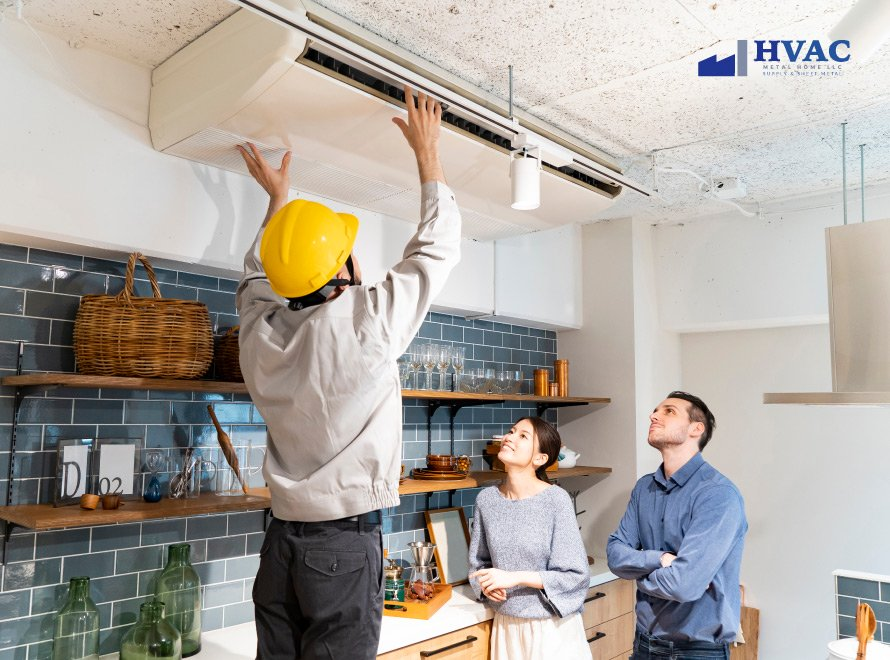
Replacement Guide

Signs You Need a New HVAC System

You may need a new HVAC system when repairs become frequent, energy costs keep rising, or the equipment can no longer maintain comfortable indoor temperatures. System age matters, but performance, repair history, and operating costs are stronger indicators of when to replace it.

When Should You Replace an HVAC System?

HVAC replacement becomes worth considering when an existing system no longer provides reliable heating or cooling at a reasonable operating cost. A single repair does not automatically mean the entire system needs replacement.

Several problems appearing together provide a stronger indication. Equipment age, repair frequency, indoor comfort, energy consumption, and major component condition should all influence the decision.

15 Signs You May Need a New HVAC System

Sign What It May Indicate
System is more than 15 years old Higher chance of component failure and rising repair costs
Repairs keep becoming more frequent Multiple components reaching advanced wear
Energy bills keep increasing Reduced efficiency from worn parts or poor airflow
Some rooms stay too hot or too cold Airflow, duct, or sizing problems
System runs almost constantly Capacity, airflow, or performance problem
System turns on and off too frequently Short cycling from sizing or electrical faults
Airflow has become weak Restricted filters, blower, or duct damage
New or unusual noises Developing mechanical or electrical problems
Indoor humidity is hard to control Oversized equipment or reduced moisture removal
System needs expensive repairs Major component cost nearing replacement value
Refrigerant problems keep returning A leak requiring diagnosis and repair
Heating and cooling take much longer Lost capacity or another performance problem
Thermostat setting does not match comfort Airflow, distribution, or thermostat fault
Dust levels have increased Duct leakage or poor filtration
System struggles during extreme weather Capacity loss or airflow restriction under peak demand

A single sign rarely confirms replacement. Several signs appearing together provide a stronger indication.

1. Your HVAC System Is More Than 15 Years Old

Many residential HVAC systems operate for approximately 10 to 20 years, depending on equipment type, maintenance history, climate, installation quality, and annual operating hours.

Equipment approaching 15 years deserves closer evaluation when performance problems begin. Older systems can still operate effectively, but repair costs and component failures often become more common with age.

Age alone should not determine replacement. A well maintained 16 year old system may remain usable, while poorly maintained equipment can develop serious problems much earlier.

2. HVAC Repairs Keep Becoming More Frequent

Repeated service calls can indicate that several components have reached advanced stages of wear. Replacing individual parts may become less practical when new problems develop every few months.

Homeowners should review repair history rather than considering each repair separately. Multiple repairs within one or two cooling or heating seasons can indicate that replacement deserves consideration.

Minor capacitor, thermostat, sensor, or contactor repairs do not necessarily justify replacement. Compressor, coil, heat exchanger, or repeated refrigerant problems require a more careful cost comparison.

3. Energy Bills Keep Increasing

Higher energy bills can indicate that heating or cooling equipment must operate longer to maintain the same indoor temperature. Reduced efficiency can result from worn components, poor airflow, refrigerant problems, dirty coils, or aging equipment.

Utility rates also change, so homeowners should compare energy use rather than looking only at the final bill. Increased consumption without a major change in weather or thermostat settings can indicate declining system performance.

A professional HVAC inspection can determine whether maintenance, duct repairs, or equipment replacement would address the problem.

4. Some Rooms Stay Too Hot or Too Cold

Uneven temperatures can indicate airflow problems, duct issues, incorrect system sizing, thermostat problems, or declining HVAC performance. Rooms farthest from the air handler can show comfort problems first.

An aging system may struggle to distribute enough conditioned air throughout the property. Longer operating cycles may still fail to bring every room to the desired temperature.

Duct inspection should happen before assuming the HVAC equipment needs replacement. Leaking, damaged, or poorly designed ducts can produce similar symptoms.

5. The HVAC System Runs Almost Constantly

Long operating cycles are normal during periods of extreme heat or cold. A system that runs continuously during moderate weather may have a capacity, airflow, refrigerant, insulation, or equipment performance problem.

Continuous operation increases electricity use and component wear. The compressor, blower motor, fan motor, and electrical components accumulate additional operating hours.

An HVAC technician can determine whether the problem requires repair or indicates that the existing equipment can no longer meet the property demand.

6. Your System Turns On and Off Too Frequently

Frequent starting and stopping is commonly called short cycling. Short cycling prevents normal operating cycles and can increase wear on compressors, motors, and electrical components.

Possible causes include incorrect system sizing, thermostat problems, restricted airflow, electrical faults, overheating, or refrigerant issues.

Older equipment with recurring short cycling may require replacement when major components or system sizing contribute to the problem.

7. Airflow Has Become Weak

Weak airflow from supply vents can make rooms uncomfortable even when the HVAC equipment continues running. Restricted filters, blower problems, duct damage, dirty coils, and aging motors can reduce airflow.

Airflow problems should receive professional diagnosis because many causes remain repairable. Replacing an HVAC system without correcting damaged ductwork can leave the original comfort problem unresolved.

Persistent weak airflow combined with advanced equipment age and repeated repairs can support the case for replacement.

8. The System Makes New or Unusual Noises

HVAC systems produce normal operating sounds, but grinding, rattling, squealing, buzzing, banging, or repeated clicking can indicate developing mechanical or electrical problems.

Loose components or small fan problems may require straightforward repair. Compressor noise, motor failure, or repeated mechanical problems can become more expensive.

A sudden change in operating sound should receive inspection before the equipment experiences a larger failure.

9. Indoor Humidity Is Hard to Control

Air conditioning systems remove moisture while cooling indoor air. Poor humidity control can make a home feel uncomfortable even when the thermostat shows the expected temperature.

Oversized equipment, airflow problems, dirty coils, refrigerant issues, or deteriorating performance can reduce moisture removal.

Florida homes can experience humidity problems more frequently because of long cooling seasons and high outdoor moisture levels. Correct system sizing remains important for both cooling and humidity control.

10. The HVAC System Needs Expensive Repairs

Major repair costs can change the financial value of keeping an older HVAC system. Compressor failure, evaporator coil replacement, major refrigerant leaks, or extensive electrical problems can require substantial investment.

Repair may still make sense when the system remains relatively young and otherwise performs well. Expensive repairs become harder to justify when equipment already approaches the end of its expected service life.

Homeowners should request both repair and replacement estimates when the difference between the two options becomes relatively small.

11. Refrigerant Problems Keep Returning

A central AC system or heat pump should not regularly lose refrigerant. Recurring low refrigerant conditions usually indicate a leak that requires diagnosis and repair.

Small leaks can sometimes receive repair, but repeated coil leaks or inaccessible refrigerant problems can become expensive on older equipment.

Equipment age and refrigerant availability should also influence the replacement decision. A technician can explain whether repair remains practical for the existing system.

12. Heating and Cooling Take Much Longer

An HVAC system that once reached the thermostat setting quickly but now requires much longer may have lost capacity or developed another performance problem.

Dirty filters, duct leakage, coil problems, refrigerant issues, worn motors, or changing property conditions can contribute to longer operating times.

Longer cycles combined with rising energy consumption and poor comfort provide a stronger indication that replacement should be evaluated.

13. The Thermostat Setting Does Not Match Indoor Comfort

A thermostat can display the requested temperature while certain rooms still feel too warm, cold, or humid. This difference can indicate airflow or distribution problems.

Thermostat faults can also create incorrect readings or control problems. A technician should check the thermostat before recommending major equipment replacement.

Persistent comfort problems with properly operating controls may indicate broader HVAC or ductwork limitations.

14. Dust Levels Have Increased

A noticeable increase in indoor dust can result from duct leakage, poor filtration, damaged return ducts, or airflow problems. HVAC equipment itself may not always be responsible.

Leaking return ducts can pull dust from attics, crawlspaces, garages, or other unconditioned spaces and distribute particles throughout the home.

A duct inspection can identify whether sealing or filtration improvements provide a better solution than equipment replacement.

15. The HVAC System Struggles During Extreme Weather

HVAC equipment experiences its highest demand during very hot or cold conditions. A properly sized system may run for long periods during temperature extremes without automatically indicating a problem.

A system that cannot maintain reasonable indoor temperatures may need inspection. Capacity loss, refrigerant problems, airflow restrictions, insulation, duct leakage, and equipment condition can all contribute.

Older systems that repeatedly fail during peak demand may benefit from replacement before a complete breakdown occurs.

How Old Is Too Old for an HVAC System?

No exact age requires automatic HVAC replacement. Many systems continue operating beyond 15 years, while others require replacement sooner because of installation issues, heavy use, or major component failures.

Equipment around 15 to 20 years old deserves closer attention when repair costs increase or comfort declines. Planning replacement before complete failure gives homeowners more time to compare systems, prices, and financing.

Different HVAC components can also have different service lives. Central AC, furnaces, heat pumps, air handlers, and ductless systems do not always age at the same rate.

Repair or Replace Your HVAC System?

Repair usually makes sense when the system remains relatively young, performs well overall, and requires an isolated low cost repair. Replacement becomes more attractive when several problems occur together.

The decision should compare current repair cost, equipment age, repair history, expected future repairs, energy consumption, and replacement cost.

Consider Repair When

Repair may remain the better choice when:

Equipment is under 10 years old

Repair history remains limited

The failed part costs relatively little

Comfort was good before the failure

Equipment efficiency remains acceptable

Major components remain in good condition

A technician can confirm whether the problem affects only one component or indicates a larger system issue.

Consider Replacement When

Replacement may provide better value when:

Equipment approaches 15 to 20 years old

Repairs occur frequently

A major component fails

Energy consumption continues increasing

Heating or cooling remains inconsistent

Refrigerant leaks return repeatedly

The system struggles to maintain temperatures

Repair costs approach a substantial portion of replacement cost

Several factors together provide a stronger replacement case than equipment age alone.

HVAC Replacement Cost

A complete heating and air replacement often costs around $5,000 to $12,500, with many projects near $7,500. Larger systems, ductwork replacement, electrical upgrades, premium equipment, and complicated installation conditions can raise the total considerably.

A professional estimate should include equipment, labor, removal of old equipment, required electrical work, duct modifications, controls, and other project specific expenses.

Homeowners can review the New HVAC System Cost guide before comparing replacement estimates.

Should You Replace HVAC Before It Breaks?

Planned replacement can provide advantages when an older system already shows several warning signs. Homeowners gain more time to compare equipment, contractor estimates, financing, and installation schedules.

Waiting until complete failure can create pressure to select equipment quickly, especially during periods of extreme summer or winter demand.

Replacement does not need to happen simply because equipment reaches a specific age. Planning becomes more important when age combines with repair frequency and declining performance. Homeowners comparing financing options can review HVAC Financing before scheduling a replacement.

Signs Your AC Needs Replacement

Central air conditioning replacement should receive consideration when cooling performance declines while repair frequency increases. Common AC replacement indicators include:

AC age above 15 years

Repeated refrigerant leaks

Compressor problems

Evaporator coil failure

Weak airflow

Increasing cooling costs

Poor humidity control

Uneven indoor temperatures

A technician should determine whether the issue involves the AC equipment, ductwork, thermostat, or another part of the system.

Signs Your Heat Pump Needs Replacement

Heat pumps provide both heating and cooling, so aging equipment may show problems during multiple seasons. Frequent operation can also create more annual runtime than cooling only systems.

Replacement indicators can include reduced heating capacity, poor cooling, compressor issues, refrigerant leaks, long operating cycles, and repeated service calls.

Homeowners can review Heat Pump Replacement Services for additional information about replacing aging heat pump equipment.

HVAC Replacement and Ductwork

Replacing HVAC equipment does not automatically require complete duct replacement. Existing ducts can continue serving the new system when capacity, condition, insulation, and airflow remain adequate.

Damaged or leaking ducts can reduce the performance of brand new HVAC equipment. A contractor should inspect supply and return ducts before finalizing equipment selection.

Duct modifications may become necessary when the new system requires different airflow or existing ducts were improperly sized.

HVAC Replacement and System Sizing

Correct equipment sizing is one of the most important parts of replacement. A larger system does not automatically provide better comfort.

Oversized equipment can short cycle, while undersized equipment may run continuously during high demand. Both conditions can affect comfort, energy consumption, and equipment life.

Professional load calculations consider property size, insulation, windows, air leakage, orientation, climate, and other factors that affect heating and cooling demand.

Replacement Options

Homeowners replacing older HVAC equipment can choose between several system configurations depending on property design and climate.

Central HVAC Systems

Central systems use an air handler or furnace with ductwork to distribute conditioned air throughout the property. Central equipment works well for homes with existing ducts that remain appropriately sized and in good condition.

Heat Pumps

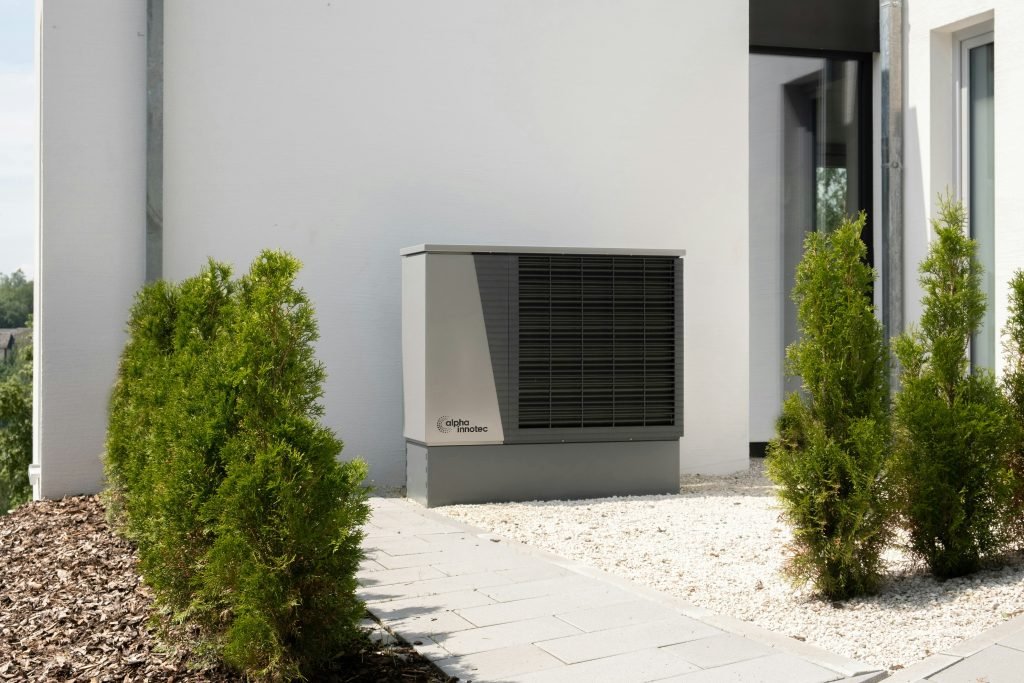
Heat pumps provide both heating and cooling from a single system. Available configurations include ducted central heat pumps and ductless heat pumps. Heat pump selection should consider local winter temperatures, home size, electrical capacity, and existing HVAC infrastructure.

Ductless Mini Split Systems

Ductless systems condition individual rooms or zones without central ductwork. They can work well for additions, older homes, converted spaces, and areas requiring separate temperature control. Multiple indoor units can connect to compatible outdoor equipment for multi zone applications.

HVAC Replacement by State

HVAC replacement needs vary by climate. Equipment selection should reflect local heating and cooling loads rather than relying only on the size of the previous system.

California

California HVAC replacement needs vary between coastal, inland, desert, and mountain climates. Cooling demand can differ substantially between regions.

Florida

Florida systems experience long cooling seasons and high humidity. Correct sizing becomes especially important because oversized air conditioning equipment can reduce moisture removal. Replacement planning should consider cooling performance, humidity control, duct condition, and annual operating hours.

Ohio

Ohio homes require both heating and cooling performance because seasonal temperatures vary considerably. Equipment selection should account for winter heating capacity and summer cooling demand. Heat pumps, central AC systems, and other HVAC configurations can work depending on the property and existing infrastructure.

Washington

Washington conditions vary between coastal and inland regions. Winter heating needs, summer cooling demand, and property design should influence equipment selection. A local HVAC assessment can determine the appropriate capacity and system configuration.

Get an HVAC Replacement Estimate

Repeated repairs, rising operating costs, poor airflow, uneven temperatures, and equipment age can indicate that replacement deserves consideration. A professional inspection can determine whether repair remains practical or a new HVAC system provides better long term value.

HVAC Reliable Pros connects homeowners with HVAC professionals serving California, Florida, Ohio, and Washington. Related services: HVAC installation, HVAC replacement, and HVAC repair.

Our Services

Explore HVAC Reliable Pros Services

Compare our available installation, replacement, and repair services.

Heat Pump Services

Heat pump services provide efficient heating and cooling from one HVAC system. HVAC Reliable Pros connects homeowners with qualified HVAC…

Learn More
FAQ

Frequently Asked Questions

What are the main signs that I need a new HVAC system?

Frequent repairs, rising energy use, weak airflow, uneven temperatures, repeated component failures, and equipment approaching 15 to 20 years old can indicate that replacement should be considered.

Should I replace a 15 year old HVAC system?

Not automatically. A 15 year old system can remain usable when performance stays reliable. Replacement becomes more practical when age combines with frequent repairs, poor comfort, or high operating costs.

How long does an HVAC system last?

Many residential HVAC systems operate for approximately 10 to 20 years. Equipment type, climate, maintenance, installation quality, and annual operating hours influence actual lifespan.

Is it better to repair or replace an HVAC system?

Repair often makes sense for younger equipment with an isolated problem. Replacement becomes more attractive when aging equipment requires repeated or expensive repairs.

Why is my HVAC system running constantly?

Continuous operation can result from extreme weather, incorrect equipment sizing, restricted airflow, refrigerant problems, duct leakage, poor insulation, or declining equipment performance.

Does high energy use mean HVAC replacement is necessary?

Not necessarily. Dirty filters, damaged ducts, thermostat settings, insulation, or maintenance problems can also increase energy consumption. Professional diagnosis should identify the cause before replacement.

Can I replace HVAC equipment without replacing ductwork?

Yes. Existing ductwork can often remain when sizing, airflow, insulation, and physical condition meet the requirements of the new system.

Should I replace HVAC before complete failure?

Planned replacement can make sense when an older system already requires frequent repairs or struggles to maintain comfort. Planning ahead provides more time to compare equipment, pricing, and financing.

Get Your HVAC Replacement Estimate

A professional inspection can determine whether repair remains practical or a new system provides better long term value. Visit HVACReliablePros.com or call (866) 280 1324.

  • Frequent HVAC repairs
  • Uneven heating or cooling
  • Higher monthly energy use
Get a Free Estimate

Leave a Reply

Your email address will not be published. Required fields are marked *