Cost Guide

How Much Does It Cost to Install Central Air?

The average cost to install central air is about $5,900, with many projects ranging from $3,900 to $7,900. See how size, system tier, and financing change the price.

Aging central air conditioners can create uneven temperatures, frequent repair calls, rising electricity use, and poor humidity control. Older systems may also use refrigerants that are no longer common in new residential equipment, making replacement a practical option when major components fail.

Central air conditioning provides whole-home cooling through an outdoor condenser, indoor evaporator coil or air handler, thermostat, refrigerant lines, and ductwork. A properly sized system distributes conditioned air through supply ducts while return ducts bring indoor air back to the evaporator coil.

The average cost to install central air is about $5,900, with many projects ranging from $3,900 to $7,900. Central AC equipment typically costs $2,500 to $4,500, while professional installation can add approximately $3,500 to $7,000.

Homes requiring new ductwork, electrical modifications, equipment relocation, or difficult equipment access can exceed this range.

For example, an 1,800-square-foot single-story home in Portland with usable ductwork and a 3-ton, 16-SEER2 AC system could have an installed cost around $5,200, depending on equipment selection, labor, permits, electrical requirements, and site conditions.

Average Cost to Install Central Air

Central AC installation averages approximately $5,900, although the final price depends on equipment capacity, efficiency, ductwork, labor, electrical requirements, permits, and accessibility.

Project Component Typical Cost
Central AC equipment $2,500-$4,500
Professional installation $3,500-$7,000
Complete central AC system $3,900-$7,900
New ductwork $3,000-$7,500
HVAC permit Varies by location
Electrical work Varies by home and system
Thermostat $120-$260

A central AC unit generally costs $2,500-$4,500 before installation, while a complete installed system commonly falls within $3,900-$7,900. A $5,900 project sits near the midpoint of the stated installed-cost range, while a $7,900 project can include higher equipment costs, additional labor, or installation modifications.

Central Air Installation Cost by AC Size

Central air conditioners use tons to describe cooling capacity. One ton equals approximately 12,000 BTUs of nominal cooling capacity.

AC Size Cooling Capacity Typical Unit Cost
1.5 tons 18,000 BTUs $1,300-$4,000
2 tons 24,000 BTUs $1,500-$5,000
3 tons 36,000 BTUs $2,000-$5,500
4 tons 48,000 BTUs $2,600-$6,200
5 tons 60,000 BTUs $2,800-$6,800

A 3-ton air conditioner provides approximately 36,000 BTUs of nominal cooling capacity, while a 5-ton condenser provides approximately 60,000 BTUs. A 2-ton condenser provides approximately 24,000 BTUs. The home's cooling load determines the correct capacity. Insulation, windows, solar exposure, ceiling height, air leakage, ductwork, occupancy, and climate affect the required capacity.

How Home Size Affects AC Capacity

Larger homes often require greater cooling capacity, but two homes with the same floor area can require different air conditioner sizes.

A 2-ton condenser provides approximately 24,000 BTUs, while a 4-ton condenser provides approximately 48,000 BTUs. A Manual J load calculation identifies the cooling capacity required for the home’s construction characteristics and climate.

An oversized condenser can cycle frequently and remove less humidity per cycle. An undersized air conditioner can run for extended periods while struggling to reach the thermostat setting.

Central AC Cost by System Tier

Central AC prices also vary according to compressor design, efficiency rating, controls, and operating capability. Instead of grouping equipment by generic brand labels, homeowners can compare systems according to measurable specifications.

  • Single-stage systems: Often use fixed-capacity compressors and typically have lower equipment costs.
  • Two-stage systems: Provide two cooling capacity levels and can improve temperature control compared with fixed-capacity operation.
  • Variable-speed systems: Adjust compressor output across a wider operating range and generally include more advanced capacity control.

A single-stage compressor normally operates at one rated capacity, while a two-stage compressor operates at two defined capacity levels. A variable-speed compressor can adjust output across a wider operating range, depending on the equipment design.

Efficiency also affects the purchase price. A 16-SEER2 condenser carries a seasonal efficiency rating of 16 under standardized testing conditions, while equipment with a higher SEER2 rating generally carries a higher initial equipment cost.

What Affects the Price of Central Air Installation?

1. Existing vs. New Ductwork

New ductwork costs approximately $3,000-$7,500 for around 300 linear feet.

Existing ducts can reduce installation scope when supply and return airflow, sizing, insulation, and sealing meet the requirements of the new central AC system. Supply-air capacity, return-air capacity, and duct sizing determine whether existing ducts support the new system.

A 300-linear-foot duct system represents a different project cost when the duct network already exists compared with installing 300 linear feet of new supply and return runs.

Duct insulation also affects cooling performance. R-8 insulation provides an insulation value of approximately R-8, reducing heat transfer through supply ducts located in unconditioned attic spaces. A properly sealed residential duct system can target leakage of approximately 5% or less of total system airflow, depending on the applicable standard and testing method.

Leaking or restricted ducts may require sealing, insulation, repairs, balancing, resizing, or replacement.

2. Installation Labor

Professional central AC installation can cost approximately $3,500-$7,000.

Installation labor includes condenser placement, evaporator-coil connections, refrigerant-line work, electrical connections, condensate drainage, thermostat controls, startup, and system commissioning.

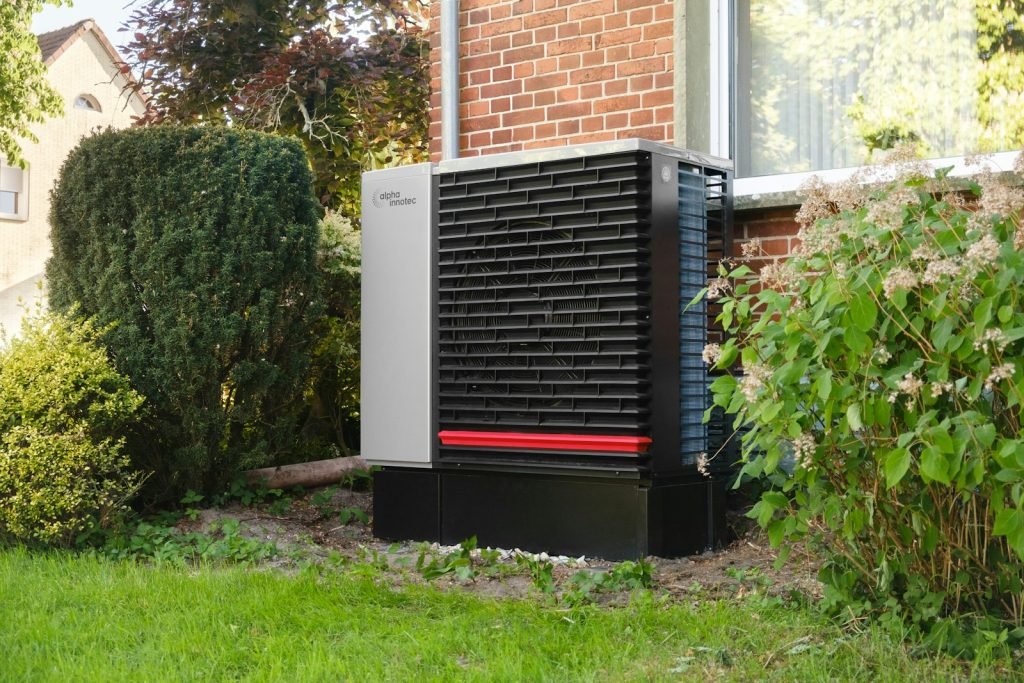
A 3-ton condenser commonly weighs around 180-220 pounds, although actual weight varies by model. A concrete or composite equipment pad provides a level outdoor mounting surface, while refrigerant lines connect the outdoor condenser to the indoor evaporator coil.

A ground-level condenser beside an exterior wall reduces equipment-handling labor compared with a rooftop placement. Attic installations, crawl-space work, long refrigerant-line runs, and restricted access can increase technician time.

3. SEER2 Efficiency

SEER2 measures seasonal air-conditioning efficiency under standardized testing conditions.

A 16-SEER2 condenser carries a seasonal efficiency rating of approximately 16, while a higher-SEER2 condenser generally uses less electricity for the same cooling output under comparable operating conditions. Electricity rates, annual cooling hours, equipment cost, and expected ownership period determine whether a higher-efficiency condenser provides an acceptable return.

For example, a 16-SEER2 condenser rated at 36,000 BTUs represents a 3-ton system, while a 20-SEER2 condenser with the same nominal 36,000-BTU capacity provides the same rated cooling capacity with a higher seasonal efficiency rating.

A higher-SEER2 condenser generally carries a higher purchase price but can reduce electricity consumption during operation.

4. Compressor Technology

Compressor design affects cooling capacity control, temperature consistency, humidity management, and equipment cost.

  • Single-stage: Operates primarily at one cooling capacity.
  • Two-stage: Provides two operating capacity levels.
  • Variable-speed: Adjusts compressor output across a wider operating range.

A single-stage compressor typically operates at approximately 100% of rated capacity when running. A two-stage compressor provides a lower-capacity stage and a higher-capacity stage, although exact percentages vary by model. A variable-speed compressor can modulate output across a range such as approximately 25% to 100% of rated capacity, depending on manufacturer design.

Variable-speed compressors can provide longer, lower-capacity cycles and more consistent temperature control when the compressor, evaporator coil, blower, thermostat, and ductwork operate as a matched system.

5. Electrical Requirements

Central AC equipment generally requires a dedicated circuit sized to the manufacturer’s specifications.

An installation may require new wiring, a breaker, outdoor disconnect, or panel modifications when the existing electrical service lacks the required capacity.

A 3-ton condenser may operate from a 240-volt electrical supply, while a residential condenser circuit may require 30 amps or more depending on the model’s nameplate requirements. A 10 AWG copper conductor may serve a 30-amp circuit in common residential applications, but the actual wire size must follow the equipment specifications, circuit length, installation conditions, and applicable electrical code.

The equipment nameplate and installation manual specify the electrical requirements for the condenser. An electrician or HVAC contractor should size the circuit and conductors according to those requirements rather than relying only on nominal tonnage.

6. Permits

HVAC permit requirements vary by jurisdiction and project scope.

Local requirements can apply to AC equipment, electrical work, duct modifications, or related construction. The contractor confirms required permits and inspections before installation.

A permit fee can range from a location-specific fixed charge to a fee based on project value, while electrical permits may follow separate local fee schedules. The final permit cost therefore depends on the jurisdiction, project scope, and applicable code requirements.

7. Installation Access

Equipment location affects labor and material requirements.

Rooftop condensers require additional equipment handling compared with ground-level installations. Long refrigerant lines require additional line-set material, while restricted attics and crawl spaces can increase technician time.

A 3-ton condenser installed at ground level requires less vertical equipment handling than rooftop equipment, while a long refrigerant line requires additional tubing and insulation compared with a short line set. A system installed in an accessible mechanical room also provides different labor requirements from equipment located in a restricted attic.

Removing an existing system or relocating equipment can expand the installation scope.

8. Regional Cost Differences

Central AC installation prices vary by region because labor rates, climate conditions, permit requirements, building codes, and cooling demand differ between markets.

A contractor operating in a high-labor-cost market may charge more installation labor than a contractor operating in a lower-labor-cost market. Climate also affects equipment selection because homes in areas with longer cooling seasons may benefit from higher-efficiency equipment.

Local permitting creates another cost variable. A project requiring an HVAC permit, electrical permit, inspection, or equipment-specific code compliance can carry different administrative costs from a project with fewer local requirements.

Financing Options for Central Air Installation

Central AC installation can require $3,900-$7,900 upfront for many projects, with additional costs possible for new ductwork, electrical modifications, equipment relocation, or other installation requirements.

HVAC Financing

Some HVAC contractors offer financing through third-party lenders.

Compare:

  • APR
  • Interest rate
  • Loan term
  • Monthly payment
  • Fees
  • Promotional rates
  • Total repayment

A 60-month term provides five years of scheduled payments, while a 120-month term extends repayment to ten years. The longer term can reduce monthly payments while increasing total interest.

For example, a $5,900 HVAC project financed for 60 months at 7.9% APR would produce a monthly payment of approximately $119.40 and total scheduled payments of approximately $7,164, assuming no additional fees.

A $10,000 HVAC loan at the same 7.9% APR over 60 months would produce a monthly payment of approximately $201.90, demonstrating how project size affects monthly financing costs.

Home Improvement Loans

Home improvement loans can cover larger HVAC projects that combine equipment, ductwork, electrical work, and installation.

Compare the APR, fees, repayment period, monthly payment, and total repayment before selecting a loan.

For example, a $10,000 project financed over 60 months has a higher principal balance than a $5,900 project, while a 120-month repayment period spreads the same principal across twice as many scheduled months. The lender’s APR determines the total interest cost.

Rebates and Incentives

High-efficiency HVAC equipment may qualify for rebates or incentives based on location, equipment specifications, utility provider, household income, and current program rules.

Verify eligibility with the utility provider or program administrator before including a rebate in the installation budget.

A rebate tied to a qualifying SEER2 rating applies only when the installed equipment meets the program’s stated efficiency requirement, while a rebate tied to household income requires the applicant to meet the program’s income threshold. Incentive amounts and eligibility rules vary by program.

FAQ

Frequently Asked Questions

How much does it cost to install central air?

Central air installation costs about $5,900 on average, with many projects ranging from $3,900 to $7,900. New ductwork, electrical modifications, difficult access, and higher-efficiency equipment can increase the final project price.

How much is a central air unit without installation?

Central AC equipment generally costs $2,500-$4,500 before labor, electrical work, permits, ductwork, and other installation requirements. Compressor type, SEER2 rating, cooling capacity, and included controls affect the equipment price.

How much does central air cost without ductwork?

New ductwork can add approximately $3,000-$7,500 for around 300 linear feet, depending on routing, materials, insulation, register count, and access. Homes with usable existing supply and return ducts may avoid this additional distribution-system cost.

How much does central air cost in an existing home?

A central AC installation using usable existing ductwork can range from approximately $5,000-$15,000. Projects requiring new ductwork can reach $10,500-$25,000 or more, depending on equipment, duct routing, electrical work, permits, and labor.

What size central AC does a home need?

The required capacity depends on the home's cooling load rather than square footage alone. A 3-ton system provides approximately 36,000 BTUs, but insulation, windows, solar exposure, air leakage, ductwork, and climate also affect the required capacity.

Does higher SEER2 increase AC cost?

Generally, yes. A higher-SEER2 condenser typically costs more upfront but can use less electricity during comparable cooling operation. The value depends on local electricity rates, annual cooling hours, and how long the homeowner expects to operate the system.

Is central air cheaper with existing ductwork?

Usually. Usable existing ductwork removes the need for a complete new distribution system. However, duct sealing, insulation, resizing, return-air improvements, or balancing can still add installation costs.

How long does central AC installation take?

A straightforward replacement can often take one day. New ductwork, electrical modifications, equipment relocation, rooftop handling, or restricted attic and crawl-space access can extend the installation schedule.

Do I need a permit to install central air?

Permit requirements vary by jurisdiction. Local HVAC and electrical authorities may require permits and inspections for equipment installation, electrical connections, duct modifications, or related construction.

Should I replace the AC and furnace together?

Replacing both systems can make sense when both units are aging or when the furnace and AC require compatible indoor and outdoor components. Request separate AC-only and combined-system pricing before deciding.

The average cost to install central air is approximately $5,900, with many projects ranging from $3,900 to $7,900.

Your final price depends on equipment capacity, SEER2 rating, compressor technology, ductwork, electrical requirements, permits, equipment location, and labor.

A professional estimate should identify the equipment model, cooling capacity, efficiency rating, ductwork scope, electrical work, permits, labor, warranty, and financing terms.

Ready to find out how much central air installation could cost for your home? Request a professional estimate today.

Related Service: AC Installation

Get a Central Air Installation Estimate

Request a professional estimate today and find out how much central air installation could cost for your home.

Request a Free Estimate

Leave a Reply

Your email address will not be published. Required fields are marked *