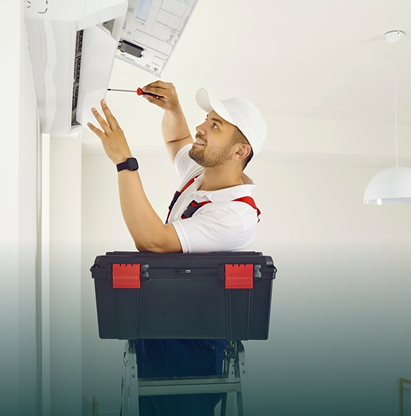
Cost Guide

Cost of AC Unit Installed: What Affects Price in 2026?

A new central AC unit costs about $3,900 to $8,000 installed in 2026. Compare prices by tonnage, efficiency, ductwork, labor, and installation scope.

A central AC unit typically costs about $3,900 to $8,000 installed in 2026. Straightforward replacements can stay closer to the lower end, while larger systems, higher efficiency, new ductwork, electrical changes, and difficult installation conditions can push the total above $10,000.

The equipment price represents only part of the project. A complete AC installation can include an outdoor condenser, indoor evaporator coil, refrigerant connections, electrical work, condensate drainage, controls, labor, permits, equipment removal, and required duct modifications. HVAC Reliable Pros provides AC installation and replacement across available service areas in California, Florida, Ohio, and Washington.

How Much Does an AC Unit Cost Installed?

Most homeowners can expect to spend approximately $3,900 to $8,000 for a professionally installed central air conditioner.

A lower scope replacement can cost around $3,000 to $5,000, while larger or higher efficiency systems can reach $7,000 to $10,000 or more. Projects that also require major ductwork can reach approximately $7,000 to $15,000 or more.
AC Installation Cost Overview

AC Project Typical 2026 Cost
Central AC installed $3,900 to $8,000
Lower scope replacement $3,000 to $5,000
Larger or higher efficiency AC $7,000 to $10,000+
AC with major ductwork $7,000 to $15,000+
New ductwork $3,000 to $7,500+
Thermostat installation $110 to $260+
HVAC permit $250 to $400+

The contractor inspects the home and calculates cooling requirements before preparing the final price.

What Does the Installed AC Price Include?

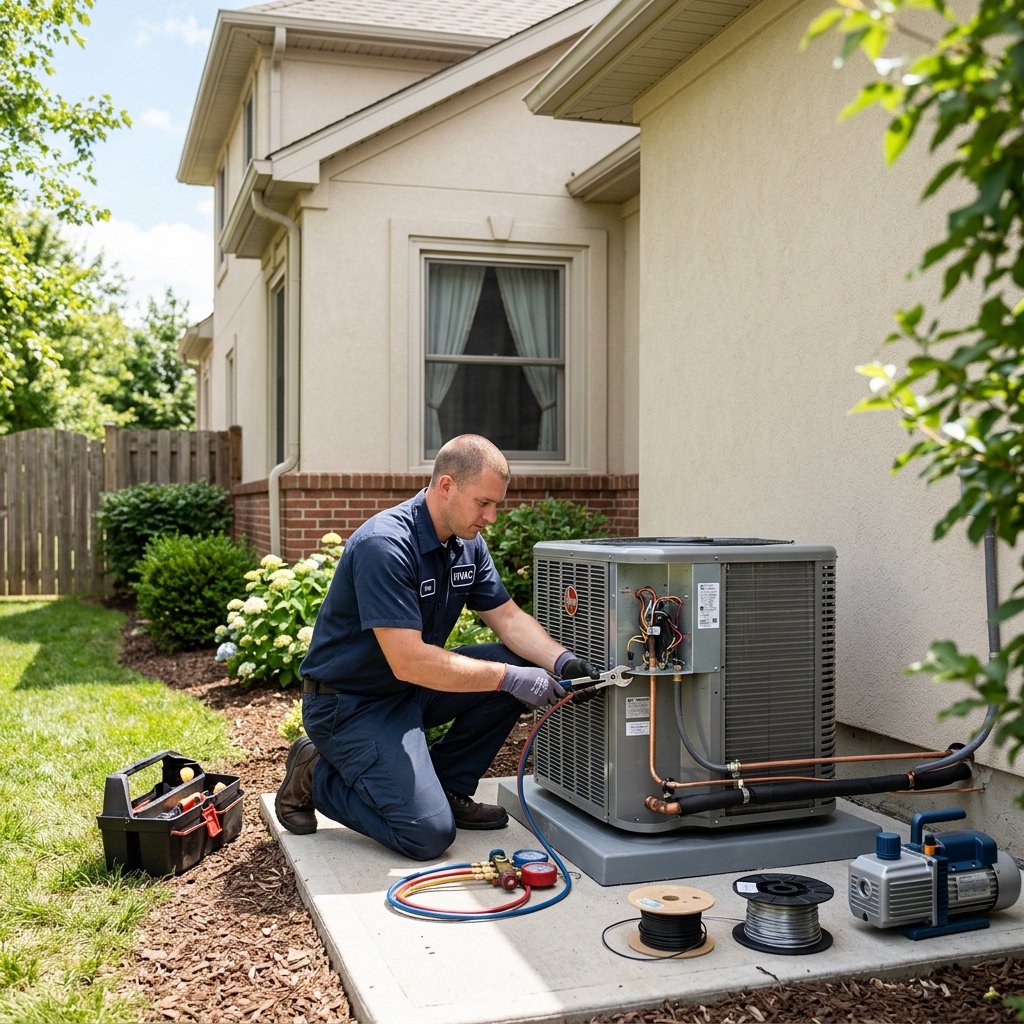
A central AC installation usually includes both major equipment and professional installation. The outdoor unit contains the compressor and condenser coil. The indoor evaporator coil absorbs heat from indoor air, while the refrigerant circuit transfers heat between the indoor and outdoor components.

The contractor also handles refrigerant connections, condensate drainage, electrical connections, controls, and startup testing. Replacement projects can also include removal of the old equipment. Some estimates exclude ductwork, electrical upgrades, permits, thermostat replacement, or equipment relocation, so homeowners should review the written scope before comparing final prices.

What Affects the Cost of an Installed AC Unit?

Several factors determine where an AC installation falls within the typical price range.

What Affects the Cost of an Installed AC Unit?

Cost Factor How It Affects Price
AC capacity Higher tonnage usually increases equipment cost
Efficiency Higher SEER2 equipment generally costs more upfront
Compressor type Two stage and variable systems usually cost more
Labor Difficult access increases installation hours
Ductwork Repairs or replacement increase materials and labor
Indoor coil Incompatible equipment can require replacement
Refrigerant lines New or difficult routes increase project scope
Electrical work Circuit or wiring changes add cost
Controls Advanced controls can increase system price
Permits Local permit requirements add project costs

A straightforward replacement that uses compatible infrastructure usually costs less than a project that requires several upgrades.

AC Installation Cost by Tonnage

Air conditioners use tons to describe nominal cooling capacity. One ton equals approximately 12,000 BTUs per hour, so a 3 ton system provides approximately 36,000 BTUs per hour of nominal cooling capacity.

AC Installation Cost by Tonnage

AC Size Cooling Capacity Typical Installed Cost
1.5 ton 18,000 BTU/h $3,000 to $5,500
2 ton 24,000 BTU/h $3,200 to $6,000
2.5 ton 30,000 BTU/h $3,500 to $6,500
3 ton 36,000 BTU/h $4,000 to $7,000
3.5 ton 42,000 BTU/h $4,500 to $7,500
4 ton 48,000 BTU/h $5,000 to $8,500
5 ton 60,000 BTU/h $5,500 to $10,000+

Higher capacity equipment generally costs more, but homeowners should not choose tonnage from square footage alone. The contractor calculates the home’s cooling load before selecting equipment.

What Size AC Unit Does a Home Need?

The correct AC size depends on more than floor area. Windows, insulation, air leakage, ceiling height, orientation, occupancy, local climate, and internal heat sources can all change cooling demand.

For example, a 2,000 square foot home in Florida can require a different cooling capacity than a similarly sized home in Washington. Correct sizing connects equipment capacity with actual building demand and helps avoid paying for unnecessary capacity.

How Efficiency Affects AC Cost

Modern central air conditioners use SEER2 to describe seasonal cooling efficiency. Higher efficiency systems usually cost more because manufacturers use different compressors, coils, motors, controls, and system designs. Moving into higher efficiency ranges can add approximately $350 to $1,500 or more to equipment cost.

Climate matters when comparing efficiency. Florida homeowners often operate cooling equipment for more months each year than homeowners in cooler parts of Washington. The contractor compares efficiency, purchase price, climate, and expected system use before recommending equipment.

Single Stage Versus Two Stage Versus Variable Capacity

Compressor technology can also affect price. Single stage equipment usually carries the lowest initial cost because the compressor operates at one primary capacity level. Two stage equipment can operate at more than one level, while variable capacity systems can adjust cooling output across a broader range.

Two stage and variable systems generally cost more upfront. Homeowners should compare comfort requirements, climate, equipment compatibility, and purchase price before choosing a configuration.

How Much Does AC Installation Labor Cost?

Professional labor represents a meaningful part of the final project price. A straightforward HVAC installation can include approximately $1,500 to $3,000 in labor, while difficult projects can cost more.

The contractor may need to remove existing equipment, position new components, connect refrigerant lines, complete electrical connections, install drainage, connect controls, and perform startup testing. Attics, crawl spaces, long refrigerant routes, restricted access, and equipment relocation can increase labor hours.

How Existing HVAC Components Affect Cost

Existing infrastructure can reduce or increase AC installation costs. Serviceable ductwork, refrigerant tubing, electrical infrastructure, controls, and equipment locations can remain when the new equipment supports continued use. Reusing compatible components can reduce unnecessary project expenses. The contractor inspects each component before approving reuse.

Evaporator Coil Compatibility

A split central AC system requires compatible indoor and outdoor equipment. The contractor verifies evaporator coil capacity, refrigerant requirements, and equipment compatibility before installing the new condenser, since an old indoor coil may not match the new outdoor unit. Replacing an incompatible coil increases project cost but creates the correct system configuration.

Refrigerant Line Requirements

Refrigerant tubing connects the outdoor condenser with the indoor evaporator coil. Existing lines can sometimes remain when condition, dimensions, refrigerant requirements, routing, and manufacturer specifications support continued use. A project can require new tubing when existing lines do not meet equipment requirements, and difficult routes or long refrigerant runs can increase material and labor costs.

Ductwork Costs

Central AC depends on the duct system to distribute conditioned air through the home. Existing ducts need enough capacity and suitable condition to support the selected equipment. Damaged ducts, disconnected sections, poor return airflow, or major layout problems can require additional work.

New or replacement ductwork can add approximately $3,000 to $7,500 or more to an AC project. Large homes, difficult access, and extensive return air changes can increase ductwork costs further.

Electrical Work, Controls, and Permits

Central AC equipment requires electrical infrastructure that matches manufacturer specifications. The contractor evaluates circuits, breakers, disconnects, wiring, voltage, and available capacity, since different equipment requirements can create a need for electrical modifications.

A professionally installed thermostat can cost approximately $110 to $260 or more, while advanced communicating controls can cost more. HVAC permits commonly cost approximately $250 to $400 or more, although actual fees depend on local jurisdiction and project scope.

Central AC Replacement Versus New Installation

Replacing an existing central AC system usually costs less than adding central air to a home without suitable infrastructure. A replacement can reuse compatible ductwork, electrical connections, equipment locations, drainage, and refrigerant routes.

A first time installation can require new ductwork, electrical circuits, indoor equipment space, supply registers, return pathways, refrigerant tubing, and drainage. Adding central air to a home without ducts can push the total toward approximately $10,000 to $20,000 or more.

Should You Add Central Air or Choose Ductless?

Homes without suitable ductwork can consider a ductless mini split instead of building a complete central air distribution system. Ductless systems can serve individual rooms or multiple zones without conventional ductwork. Central AC can make more sense when the home already has suitable ducts and a compatible central air handling system.

The contractor compares building layout, comfort requirements, equipment capacity, and installation scope before recommending either option. Our mini split AC system service and ductless mini split cost guide cover the ductless option in more detail.

How Location Affects AC Installation Cost

HVAC Reliable Pros serves available areas in California, Florida, Ohio, and Washington, and local conditions affect installation pricing.

California projects can carry higher labor and compliance costs. Florida’s long cooling season makes capacity, airflow, and moisture control important considerations. Ohio homes commonly pair central AC with furnace systems, while some Washington homes require more installation work because central cooling was not part of the original HVAC design. Homeowners should use the national $3,900 to $8,000 installed range as a planning benchmark and request a property specific estimate for local pricing.

What Can Push AC Installation Above $10,000?

An AC project can exceed $10,000 when the contractor needs to complete more than a straightforward replacement. New ductwork, electrical upgrades, equipment relocation, higher capacity equipment, advanced controls, difficult access, or major air distribution changes can increase the total.

Homes without existing central air can also require several thousand dollars of additional infrastructure. A detailed written estimate separates these items so homeowners can understand why the project exceeds the standard range.

Real World AC Installation Cost Example

Consider a 1,900 square foot home in Florida with an aging central AC system. The system struggles during hot afternoons, and several bedrooms receive weaker airflow than the main living area.

The contractor calculates the cooling load, evaluates the existing equipment, inspects accessible ductwork, reviews return airflow, checks the electrical infrastructure, and examines the equipment location. The assessment identifies aging cooling equipment and an undersized return pathway.

The project includes appropriately sized AC equipment, a compatible indoor coil, return air modifications, thermostat connection, equipment removal, installation labor, permits, and startup testing. A project with this scope can cost approximately $6,000 to $9,000, depending on capacity, efficiency, and required air distribution work.

How to Compare AC Installation Quotes

Compare the complete installation scope rather than choosing the lowest final price. One contractor can include the indoor coil, permit, thermostat, equipment removal, duct corrections, electrical work, and startup testing. Another contractor can exclude several of those items.

Check the equipment capacity, SEER2 rating, indoor and outdoor equipment compatibility, labor, electrical responsibilities, refrigerant tubing, drainage, controls, and warranty terms. A complete written proposal makes price differences easier to understand. Our new HVAC system cost guide covers the same comparison for a complete heating and cooling replacement.

How Can You Reduce AC Installation Cost?

Keeping compatible infrastructure can reduce unnecessary project expenses. Existing ductwork, refrigerant tubing, electrical connections, equipment locations, and controls can remain when the contractor confirms compatibility and suitable condition.

Homeowners can also compare several efficiency levels rather than automatically selecting the highest available rating. Higher efficiency can provide value, but the most expensive system does not automatically provide the best financial choice. Correct sizing also prevents homeowners from paying for unnecessary capacity.

When Does AC Replacement Make Sense?

Replacement can make sense when existing equipment develops repeated failures, requires expensive repairs, cannot maintain indoor temperature, or no longer matches the home’s cooling requirements.

Equipment age provides useful context, but age alone should not determine replacement. A technician should evaluate compressor condition, refrigerant system performance, electrical components, airflow, repair history, and overall equipment condition before recommending replacement.

Areas We Serve

HVAC Reliable Pros provides AC installation and replacement across available service areas in California, Florida, Ohio, and Washington. Homeowners can request estimates for central AC replacement, new central air installation, indoor coil replacement, and related HVAC work.

Service availability varies by city, county, and ZIP code. Call (866) 280 1324 to confirm AC installation availability and request a free estimate. For a broader look at total project pricing, see our HVAC installation cost guide.

Our Services

Explore HVAC Reliable Pros Cooling Services

Compare our available heating and cooling installation and replacement services.

FAQ

Frequently Asked Questions

How much does a new AC unit cost installed?

A central AC unit generally costs approximately $3,900 to $8,000 installed in 2026. Larger equipment, higher efficiency, ductwork, electrical changes, and difficult access can increase the final price.

How much does a 3 ton AC unit cost installed?

A 3 ton central AC system can cost approximately $4,000 to $7,000 installed. Equipment efficiency, indoor coil requirements, labor, electrical work, and local installation conditions affect the total.

How much does a 5 ton AC unit cost installed?

A 5 ton central AC system can cost approximately $5,500 to $10,000 or more installed. The contractor should confirm that the home actually requires 5 tons of nominal cooling capacity before selecting equipment.

How much does central AC cost with new ductwork?

Central AC plus substantial new ductwork can cost approximately $7,000 to $15,000 or more. Home size, duct layout, access, equipment capacity, and electrical requirements determine the final cost.
Does higher SEER2 increase AC cost?

Yes. Higher efficiency equipment generally costs more upfront. Moving into higher efficiency ranges can add approximately $350 to $1,500 or more, depending on equipment and system configuration.

Is replacing only the outside AC unit cheaper?

Replacing only the outdoor condenser can reduce the immediate project scope, but the contractor must confirm compatibility with the indoor coil and other components. Nominal capacity alone does not establish a suitable equipment match.

Get an AC Installation Estimate

A central AC unit typically costs approximately $3,900 to $8,000 installed in 2026. HVAC Reliable Pros evaluates cooling requirements, existing equipment, ductwork, electrical infrastructure, controls, and installation conditions before defining the project scope.

  • Cooling load calculated before equipment is priced
  • Indoor and outdoor equipment compatibility verified
  • Written scope covering equipment, labor, ductwork, and permits
Get a Free Estimate

Leave a Reply

Your email address will not be published. Required fields are marked *