Licensed HVAC Professionals
Our technicians understand the heating, cooling, electrical, refrigerant, and installation requirements involved in HVAC replacement.

Replacing an entire HVAC system is a major investment, especially when both the heating and cooling equipment are reaching the end of their service life. HVAC Reliable Pros provides professional HVAC replacement services for homeowners and businesses that need to replace their complete heating and cooling system.
A full HVAC replacement can involve replacing both the air conditioning and heating equipment, evaluating ductwork, checking electrical connections, updating controls, and ensuring the new system meets applicable requirements.
Our team helps you determine whether you need a complete HVAC replacement or whether replacing only one component is the better option.
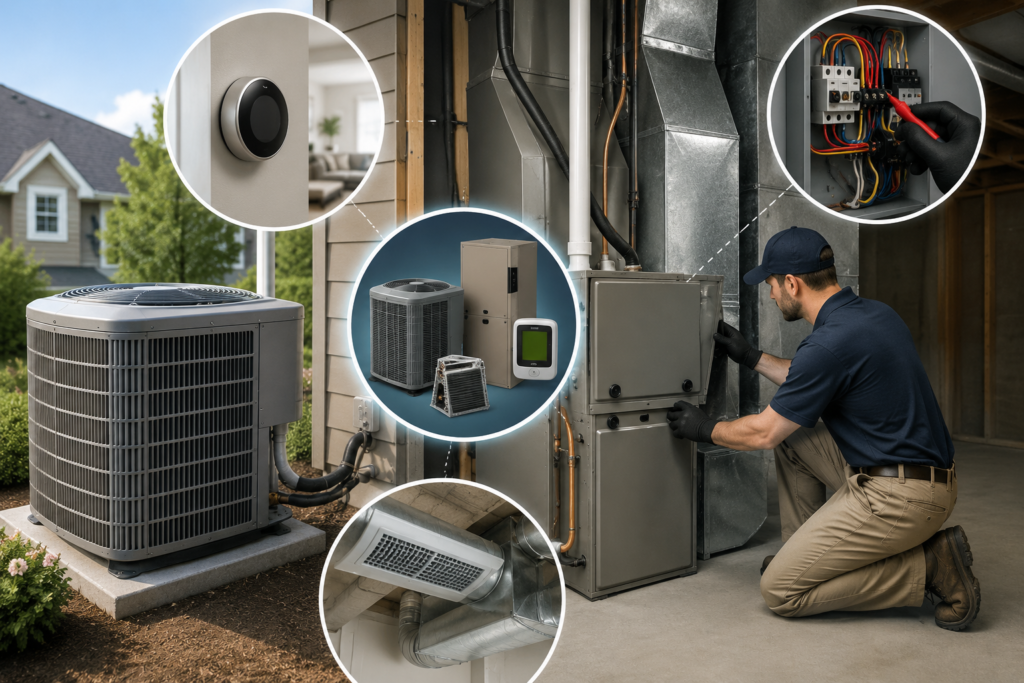
HVAC replacement means replacing major components of an existing heating and cooling system with new equipment. In a typical residential setup, this may include an air conditioner or heat pump, furnace, indoor coil, thermostat, and related components.
A complete replacement is different from replacing only an AC or furnace. The goal is to evaluate the system as a whole and ensure the new components work together properly.
If only your air conditioner needs replacing, visit our AC replacement services. If your furnace is the main problem, see our furnace replacement services.
The best replacement strategy depends on which part of your system is failing and how old the remaining equipment is.
Replace the AC Only
If your furnace is relatively new and operating properly but your air conditioner is old or failing, an AC-only replacement may be the better choice. Learn more about AC replacement and the factors involved in replacing an aging cooling system.
Replace the Furnace Only
If your furnace has reached the end of its service life while your cooling system is still in good condition, replacing the furnace alone may be appropriate. See our furnace replacement services for furnace-specific replacement information.
Replace the Complete HVAC System
If both the heating and cooling equipment are aging or experiencing repeated problems, replacing the system together may provide better long-term value. A matched heating and cooling system can also simplify installation and ensure the major components are designed to work together.
Several warning signs can indicate that your heating and cooling system is approaching the end of its useful life. Common warning signs include:
If you are experiencing these issues, a professional evaluation can determine whether repair, partial replacement, or complete HVAC replacement makes the most sense.
Replacing an HVAC system is a significant investment, so replacement should not automatically be recommended for every problem. A relatively new system with a minor repair may have years of useful life remaining. On the other hand, an older system requiring repeated repairs may become increasingly expensive to maintain.
When comparing your options, consider:
HVAC replacement typically costs $5,000 to $22,000, with an average of about $7,500, depending on system type, home size, equipment, labor, and additional work. A complete heating and cooling replacement commonly falls around $7,500 to $12,000 for many homeowners.
A straightforward change-out using existing infrastructure can cost less, while projects requiring new ductwork, insulation, zoning, electrical upgrades, or other modifications can cost considerably more. The most accurate way to determine your cost is a property-specific evaluation and quote.
The equipment itself is only one part of a complete HVAC replacement project.
Ductwork
New or extensively modified ductwork can add thousands of dollars to a project. Ductwork installation commonly averages around $3,500, although the actual cost varies by property and project size.
Electrical Upgrades
Older homes may require electrical improvements before new HVAC equipment can be installed safely and correctly.
Thermostat and Controls
A new thermostat can add approximately $120 to $260, depending on the type and features selected.
Permits
Permit costs vary by location and project scope, with typical HVAC permit costs around $50 to $500, although local requirements can differ.
Efficiency Upgrades
Higher-efficiency equipment may cost more initially but can reduce energy consumption over time. The appropriate efficiency level depends on your climate, equipment, and household needs.
A complete HVAC replacement can take about three to five days, depending on the system, property, and required upgrades. A straightforward change-out may take less time, while ductwork or infrastructure modifications can extend the project. Your HVAC contractor should provide an expected project timeline before work begins.
Residential HVAC replacement requires a system designed around the home’s heating and cooling requirements. Our residential replacement process can help homeowners address:
The goal is not simply to install new equipment, but to create a properly matched system that provides dependable year-round comfort.
Commercial HVAC systems can be more complex because cooling and heating requirements vary based on building size, occupancy, operating hours, equipment loads, and existing mechanical infrastructure. A commercial replacement may involve larger equipment, multiple zones, rooftop units, ductwork, controls, or other specialized components. HVAC Reliable Pros can help businesses evaluate their existing system and determine an appropriate replacement strategy.
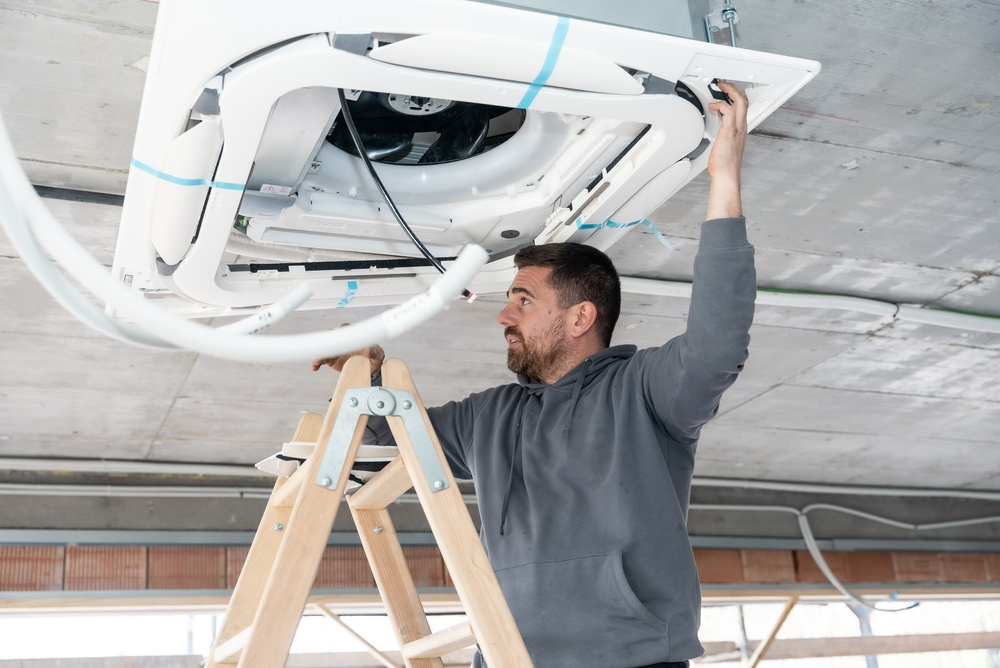
A professional whole-system replacement involves more than swapping out two pieces of equipment. The existing system and supporting infrastructure should be evaluated before the new equipment is installed.
The process begins with an assessment of your existing heating and cooling equipment. Technicians evaluate the age, condition, capacity, and compatibility of the current system.
The replacement system should be sized according to the property's heating and cooling requirements. Home size, insulation, windows, climate, occupancy, ductwork, and other factors can affect the required capacity- simply installing equipment with the same capacity as the old system is not always the correct approach.
A full HVAC replacement may include both the cooling and heating components, depending on your system configuration- the central air conditioner, furnace, heat pump, indoor evaporator coil, outdoor condenser, thermostat, and related controls and connections.
Existing ductwork should be inspected before the new equipment is installed. Damaged, poorly sized, or leaking ducts can reduce airflow and limit the performance of a new HVAC system.
HVAC replacement may require checking electrical connections, disconnects, refrigerant lines, condensate drainage, and other components. If existing infrastructure is outdated or incompatible with the new equipment, additional work may be necessary.
The old HVAC equipment must be safely disconnected and removed before the new system can be installed. Removal and disposal requirements can vary depending on the equipment and local regulations.
Depending on your location and the scope of the replacement, permits or inspections may be required. Professional HVAC replacement should follow applicable building, electrical, mechanical, and refrigerant requirements.
Once the new equipment is installed, the system should be tested to verify heating and cooling operation, airflow, controls, and other important functions.
Replacing a complete HVAC system requires careful planning and professional installation.
Our technicians understand the heating, cooling, electrical, refrigerant, and installation requirements involved in HVAC replacement.
We focus on matching the new system to your property's actual heating and cooling requirements.
You receive clear information about the proposed replacement so you understand the equipment and work involved before installation begins.
Proper installation helps the new system operate efficiently, reliably, and safely.
We can explain applicable equipment and installation warranty coverage so you understand what is included with your new system.
We support HVAC replacement needs for both homes and businesses, with solutions based on the size and requirements of the property.
A complete HVAC replacement commonly costs $7,500 to $12,000, while broader projects can range from $5,000 to $22,000. Equipment, home size, labor, ductwork, and upgrades affect the final price.
HVAC replacement averages about $7,500, with typical projects ranging from $5,000 to $22,000. A straightforward change-out costs less than a project requiring new ductwork or major upgrades.
A complete HVAC replacement can take about three to five days. Simple equipment change-outs may take less time, while ductwork and infrastructure upgrades can extend the project.
Replacing both can make sense when the AC and furnace are aging or nearing the end of their service lives. A matched system can improve compatibility and simplify future service.
Yes, you can often replace one component if the other is newer and compatible. See our AC replacement or furnace replacement pages for component-specific information.
Not necessarily, because existing ductwork can often remain if it is properly sized and in good condition. Your contractor should inspect the ducts and identify any repairs or replacement needed.
You may need permits or inspections depending on your location and the scope of the replacement. Your HVAC contractor can identify the applicable local requirements.
A complete replacement can make sense when both heating and cooling equipment are aging or unreliable. If only one component is failing, replacing that component may be more practical.
Real feedback from homeowners who trust us with their comfort.


The team was professional from the first estimate through the final walkthrough, and our new system has kept the house comfortable ever since.

Our furnace went out in the middle of winter and they responded quickly with a clear plan and honest pricing.

Reliable, communicative, and thorough- exactly what we needed for our commercial HVAC installation.
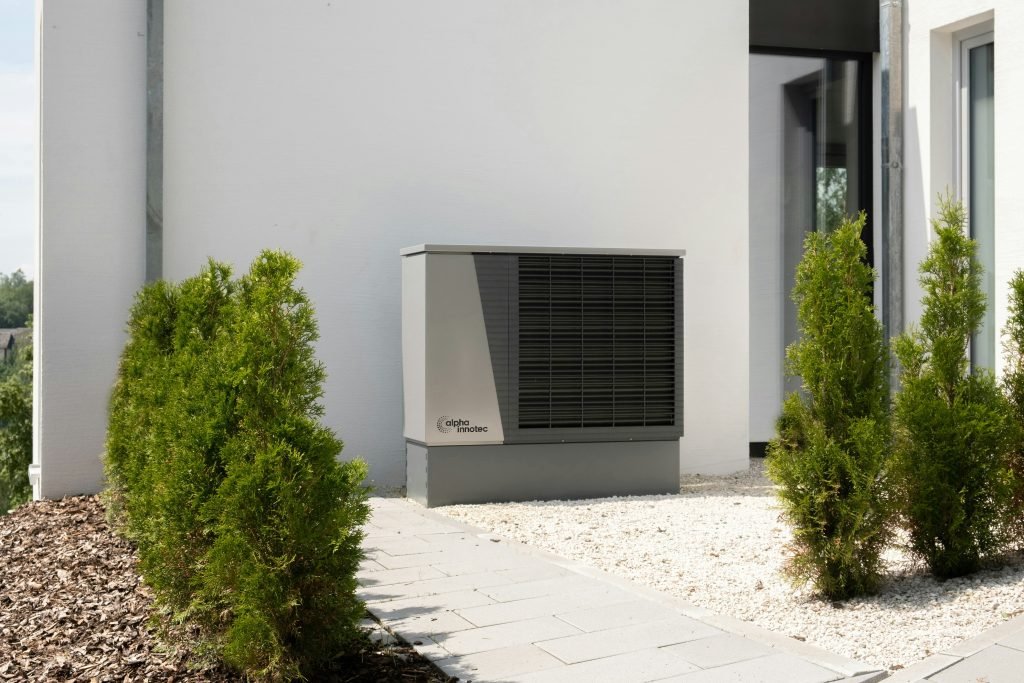
Heat pump services provide efficient heating and cooling from one HVAC system. HVAC Reliable Pros connects homeowners with…
Learn More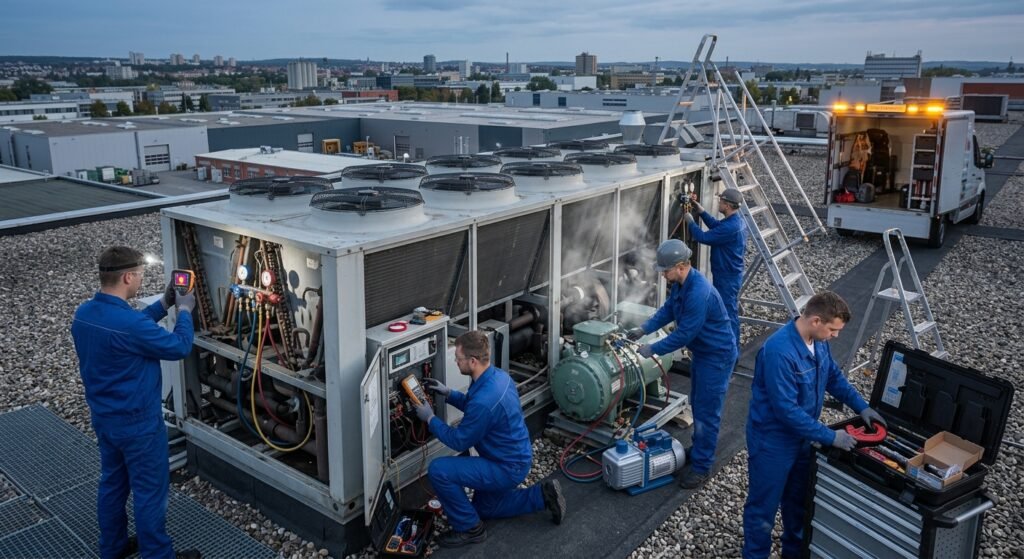 Licensed Commercial Techs
Looking for commercial HVAC installers near you? Get system sizing, equipment selection, ductwork planning, controls, electrical coordination, and…
Learn More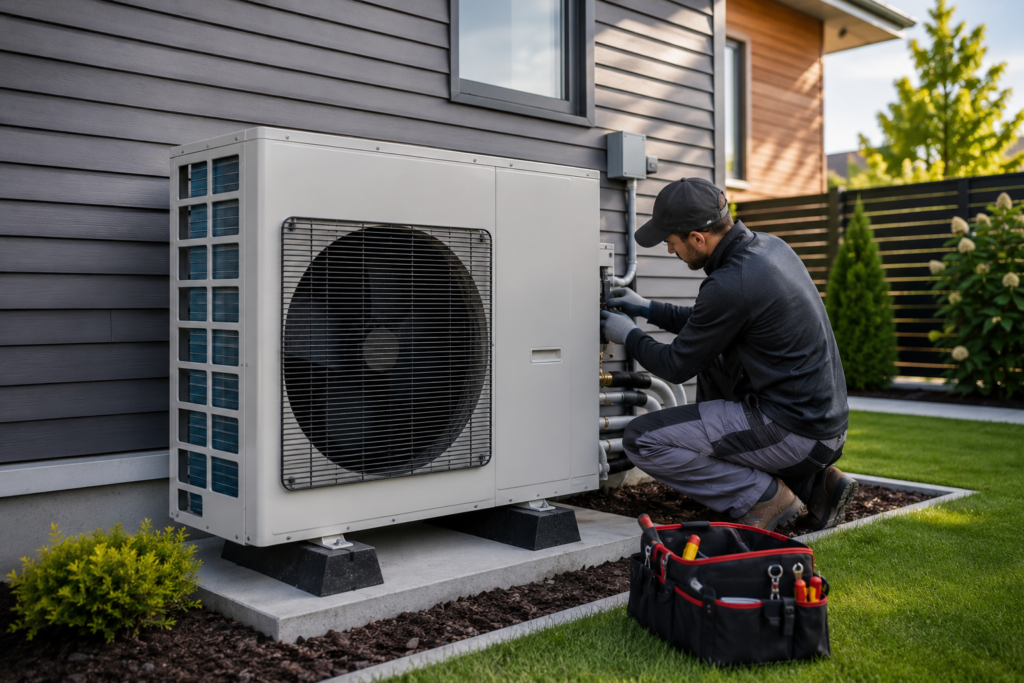 No Ductwork Required
Explore ductless heat pump systems for heating and cooling without traditional ductwork. Learn about installation, sizing, zones, costs,…
Learn More