2. Existing vs. New Ductwork
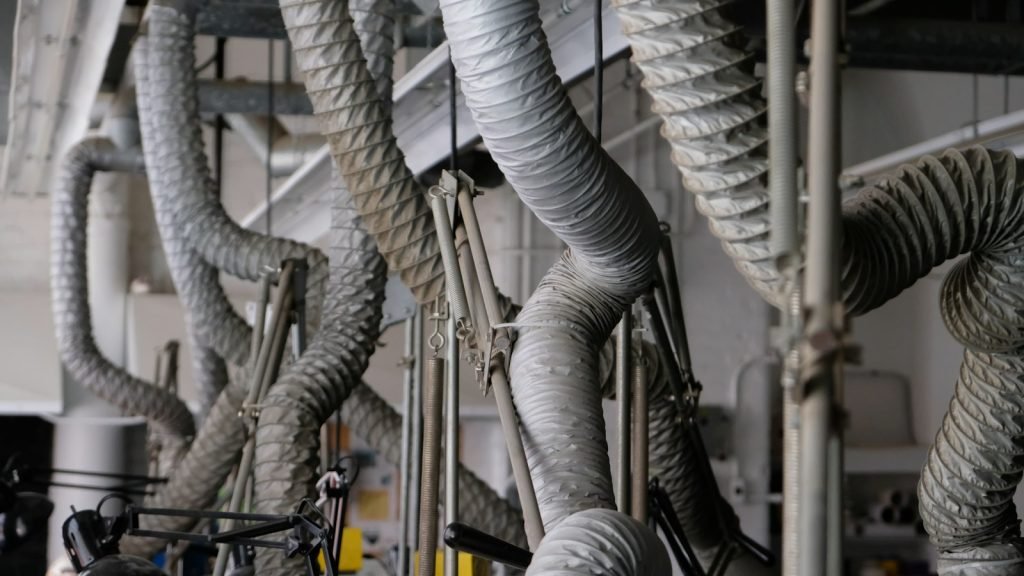
Existing, properly sized ductwork can reduce installation costs because the contractor can use the home’s current air-distribution system.
New ductwork can cost approximately $3,000–$7,500 for around 300 linear feet, depending on materials, layout, and installation access. Existing ducts may also require sealing, insulation, repairs, resizing, or replacement when technicians find leakage, damage, or airflow restrictions.
A contractor inspects the duct system before connecting new cooling equipment to determine whether the existing distribution network can support the new AC system.
3. Installation Labor
Professional central AC installation labor typically costs approximately $3,500–$7,000. This cost covers tasks such as equipment placement, refrigerant connections, electrical connections, condensate drainage, duct connections, startup, and system testing.
Attic installations, crawl spaces, rooftops, restricted mechanical rooms, and difficult equipment access can increase labor requirements.
4. SEER2 Efficiency Rating
SEER2 measures the seasonal cooling efficiency of an air-conditioning system by comparing seasonal cooling output with seasonal electrical energy consumption under standardized rating conditions.
For example, a 16-SEER2 air conditioner has a standardized seasonal efficiency rating of 16 BTUs of cooling output per watt-hour of electrical energy consumed under the applicable rating conditions. This does not mean the air conditioner delivers exactly 16 BTUs for every watt-hour during every hour of household operation.
Higher-SEER2 equipment generally costs more upfront but can reduce electricity consumption under comparable operating conditions. Homeowners should compare the equipment price with expected energy savings and local electricity rates.
5. AC Brand and Equipment Configuration
AC equipment prices vary by compressor technology, efficiency, controls, warranty, and manufacturer. Single-stage compressors operate at one primary capacity, two-stage compressors provide two operating levels, and variable-speed compressors adjust operating speed across a broader range.
Homeowners should compare SEER2 ratings, compressor type, warranty coverage, parts availability, system compatibility, and contractor experience when selecting equipment.
6. Electrical Requirements
A central AC condenser typically requires a dedicated electrical circuit. New wiring, circuit breakers, disconnects, or electrical-panel modifications can increase installation costs.
An electrician or qualified HVAC professional verifies the home’s electrical capacity before connecting the selected equipment.
7. Permits
HVAC and electrical permits may apply depending on the local jurisdiction and project scope. Some Oregon HVAC projects can have permit costs of approximately $150 or more, while other locations use different fee structures.
The contractor should identify applicable permits and include those costs in the installation estimate.
8. Accessibility and Installation Complexity
Installation access can affect labor and project costs. Rooftop condensers, restricted attics, crawl spaces, long refrigerant lines, equipment removal, and electrical or structural modifications can require additional installation work.
Two homes using the same 3-ton AC system can therefore have different installation prices because equipment access, ductwork, electrical requirements, and site conditions vary.
Cost With Existing Ductwork vs. New Ductwork
The presence of usable ductwork can change the scope of a central AC installation. Homes with an existing forced-air heating system may already have supply and return ducts capable of distributing cooled air.
Installing Central Air With Existing Ductwork
A contractor can connect a new outdoor condenser and indoor evaporator coil to suitable existing ductwork after checking duct size, airflow, insulation, and physical condition.
Existing ductwork does not automatically eliminate additional costs. Leaky or incorrectly sized ducts can restrict airflow and reduce cooling performance.
Duct sealing, insulation, repairs, airflow balancing, or resizing can improve the distribution system when an inspection identifies these issues.
Installing Central Air Without Ductwork
A home without ductwork requires an air-distribution system in addition to the cooling equipment. Technicians may route new ducts through attics, crawl spaces, ceilings, walls, or utility areas.
New ductwork can cost approximately $3,000–$7,500 for around 300 linear feet. The final cost depends on the number of supply and return runs, duct materials, insulation requirements, routing, and access.
For homes where conventional ducts do not provide a practical installation route, homeowners can also evaluate ductless mini-split systems as an alternative cooling configuration.
Financing Options for Central Air Installation
Central air installation can require several thousand dollars upfront, particularly when a project includes new ductwork or electrical modifications. Financing can spread the project cost across monthly payments, but homeowners should compare the total borrowing cost before choosing an option.
HVAC Financing
Some HVAC contractors offer financing through third-party lenders. Homeowners should compare APR, loan term, monthly payment, total repayment amount, upfront fees, and promotional conditions before accepting HVAC financing.
A lower monthly payment can result from a longer repayment period, which may increase the total amount paid over the life of the financing agreement.
Home Improvement Loans
Home improvement loans can provide another option for larger HVAC projects. Loan terms vary by lender and borrower qualifications.
Homeowners should compare the interest rate, repayment period, monthly payment, fees, and total repayment amount against the expected HVAC project cost before selecting a loan.
Rebates and Incentives
Some high-efficiency heating and cooling equipment may qualify for rebates or incentives from utilities, governments, or other programs. Eligibility can depend on equipment efficiency, location, household qualifications, utility provider, and current program rules.
Homeowners should verify current eligibility before subtracting a rebate or incentive from the installation budget.