Diagnosis Before Replacement
A technician identifies the actual fault before recommending full replacement.

An air conditioner that struggles to cool rooms, requires repeated repairs, or experiences a major component failure can leave homeowners deciding between another repair and full replacement. HVAC Reliable Pros evaluates the existing cooling system and determines the requirements for replacement.
AC replacement involves more than removing an outdoor condenser and installing another unit. The contractor evaluates the existing components before determining which parts can remain — compatible and serviceable components can sometimes stay in place, while incompatible, damaged, or unsuitable components can require replacement or modification.
Replacement can make sense when the existing cooling system develops problems that repair cannot address economically or reliably, including repeated breakdowns, compressor failure, refrigerant leaks, corroded or damaged coils, inadequate cooling, or increasing repair frequency. One repair does not automatically justify replacing an air conditioner — a technician should identify the failed component and compare the required repair with the condition of the complete system.
Replacing an existing air conditioner does not mean the new system should automatically use the same capacity. The previous equipment may have been incorrectly sized, and home improvements can change cooling requirements. The load calculation, not the old equipment label alone, should guide replacement capacity.
A split central air conditioner uses outdoor and indoor equipment together. Keeping an existing indoor coil without checking compatibility can affect capacity, efficiency, refrigerant requirements, and equipment operation, so the contractor should verify the complete indoor and outdoor combination before deciding which components can remain.
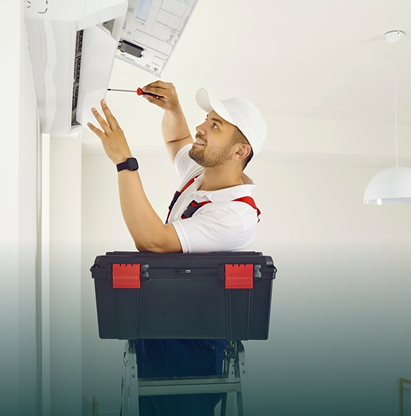
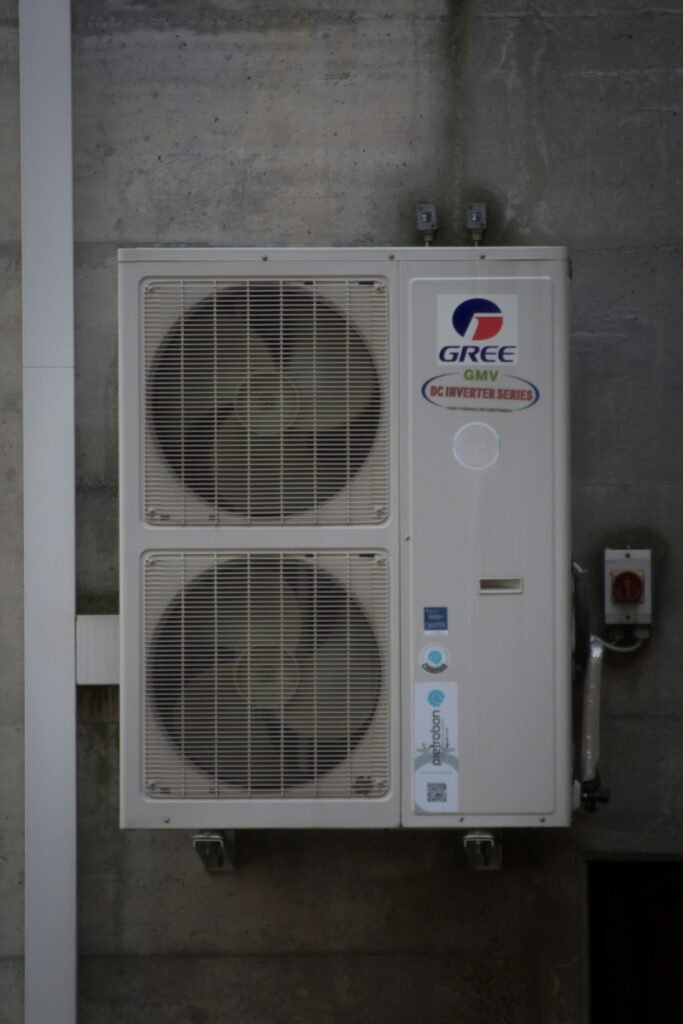
A professional AC replacement follows several core stages.
The contractor evaluates the existing condenser, indoor equipment, controls, refrigerant lines, electrical components, ductwork, and cooling problems.
The contractor determines the cooling capacity required by the home.
The contractor selects compatible indoor and outdoor equipment based on capacity and project requirements.
The installation crew removes equipment included within the replacement scope and prepares the installation locations.
The crew installs the selected condenser, indoor components, required refrigerant connections, controls, drainage, and electrical connections.
The technician starts the replacement system and checks cooling operation, airflow, controls, drainage, and applicable operating conditions.
A written estimate should identify the components and installation work included in the price. HVAC Reliable Pros explains why the selected equipment capacity fits your property before work begins.
A technician identifies the actual fault before recommending full replacement.
Replacement capacity is calculated from the home, not copied from the old unit.
Condenser and evaporator coil are verified as a compatible combination.
Restricted returns and damaged duct connections are corrected, not ignored.
A typical residential project can cost around $6,000, while many central AC projects fall around $3,800 to $7,900. Equipment capacity, efficiency, ductwork, electrical work, controls, and property conditions affect the final amount.
Repair can make sense for an isolated fault when the remaining equipment stays serviceable. Replacement becomes more practical when equipment condition, repeated failures, repair requirements, and overall system performance create a larger problem.
Sometimes, but the new condenser must work with compatible indoor equipment. The contractor should verify the evaporator coil, refrigerant requirements, capacity, controls, and complete equipment combination before replacing only the outdoor unit.
Not necessarily. The contractor should calculate the home's cooling load instead of automatically copying the old equipment capacity. Building improvements or incorrect previous sizing can change the required capacity.
Yes. Existing ducts can remain when the duct system supports required airflow and remains serviceable. The contractor should correct documented leaks, restrictions, or return airflow problems where necessary.
Many straightforward residential replacements can finish within one working day, while ductwork, electrical modifications, difficult access, or additional equipment can extend the project.
Real feedback from homeowners who trust us with their comfort.


The team was professional from the first estimate through the final walkthrough, and our new system has kept the house comfortable ever since.

Our furnace went out in the middle of winter and they responded quickly with a clear plan and honest pricing.
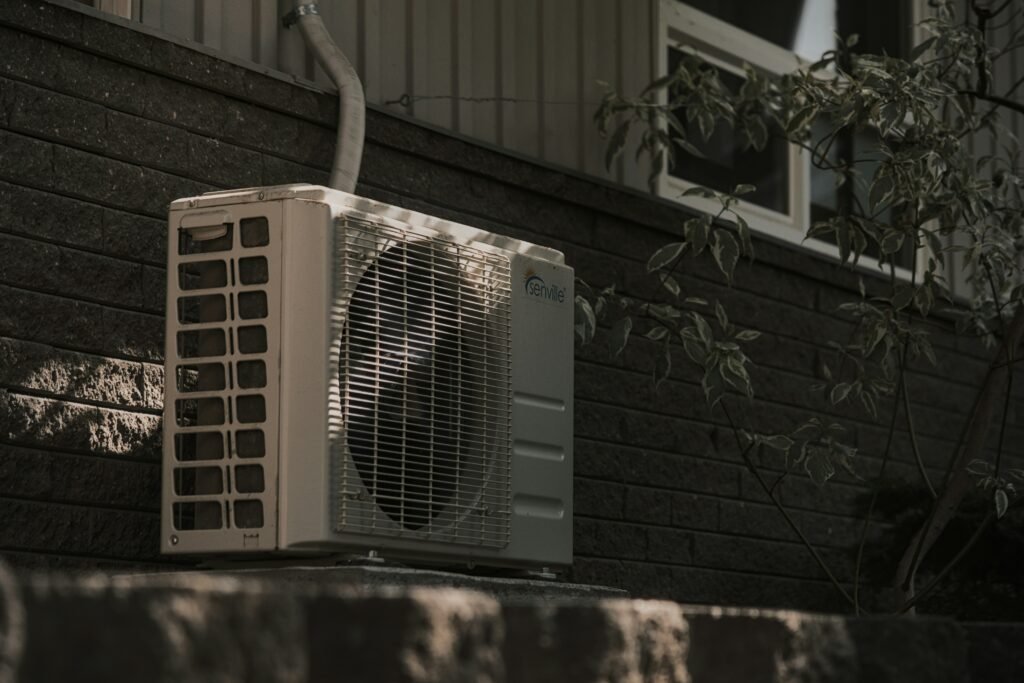

Reliable, communicative, and thorough- exactly what we needed for our commercial HVAC installation.
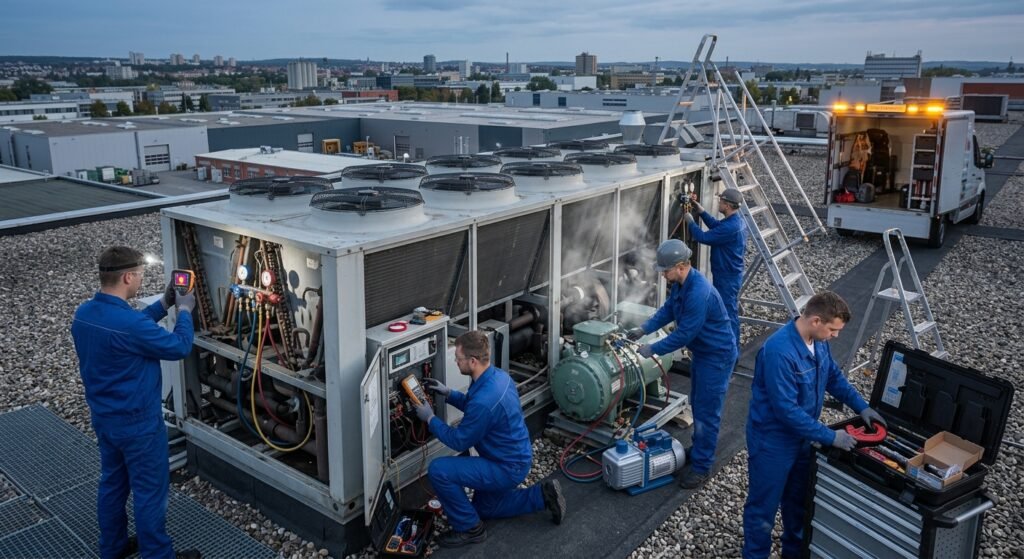 Licensed Commercial Techs
Looking for commercial HVAC installers near you? Get system sizing, equipment selection, ductwork planning, controls, electrical coordination, and…
Learn More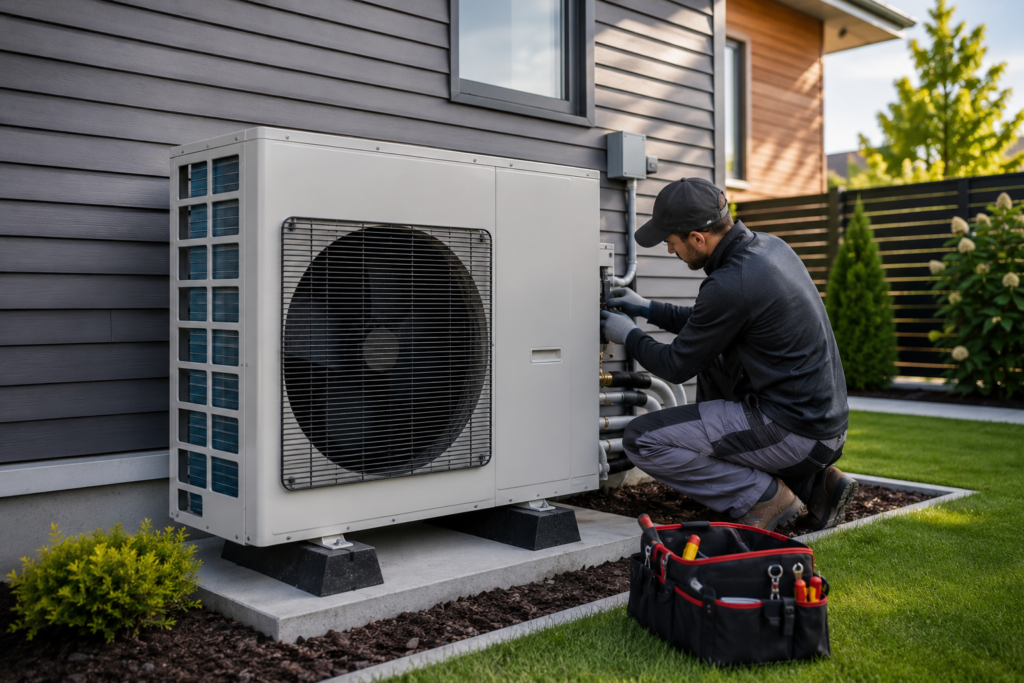 No Ductwork Required
Explore ductless heat pump systems for heating and cooling without traditional ductwork. Learn about installation, sizing, zones, costs,…
Learn More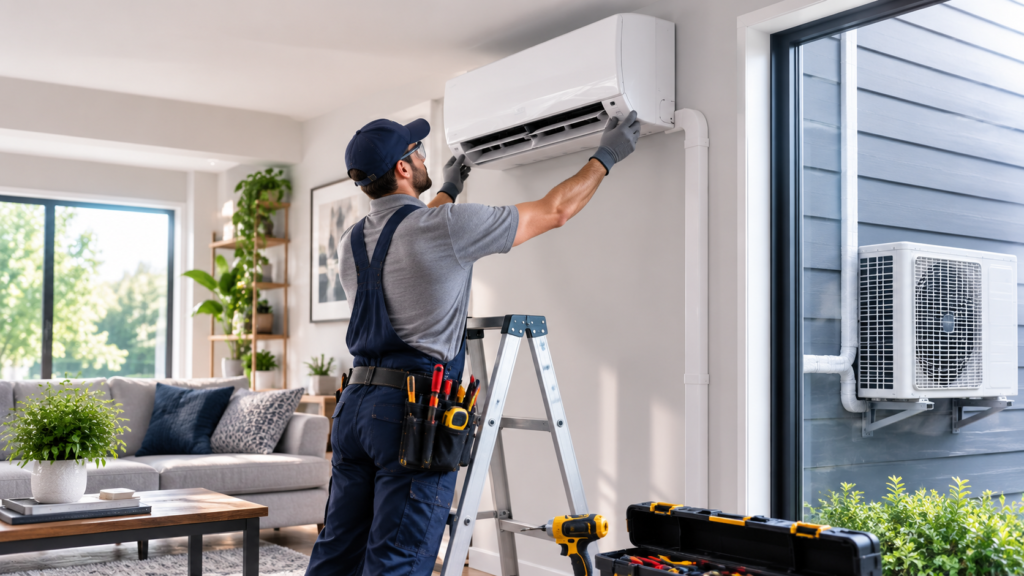 Single & Multi-Zone
Looking for mini split installers near you? Get professional ductless system sizing, placement, installation, electrical setup, and testing.…
Learn More